Elon Musk vs. ‘Indian Tesla’: High Court Slams Brakes on Gurugram Firm Using the Brand
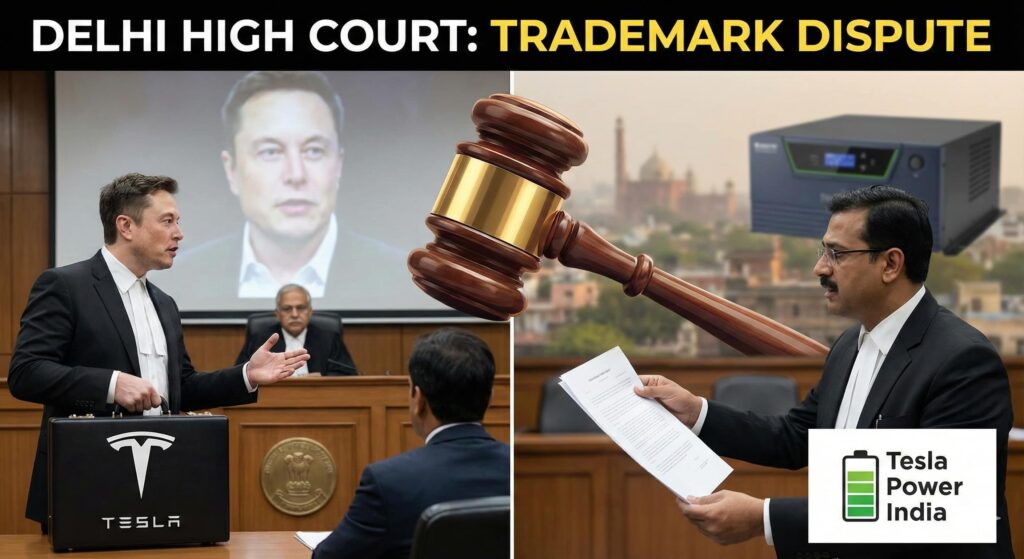
In a significant legal victory for Elon Musk’s automotive giant, the Delhi High Court has restrained a Gurugram-based company from using the “Tesla” brand name. The court order bars Tesla Power India from issuing any promotional advertisements related to electric vehicle (EV) products under the ‘Tesla’ moniker until the final disposal of the trademark infringement suit.
This development comes after a heated legal battle where Tesla Inc. alleged that the Indian firm was causing consumer confusion and capitalizing on its global reputation.
The Court Order: No More ‘Tesla’ Ads for EVs
Justice Tejas Karia passed the restraint order after noting an undertaking by Tesla Power CEO Kavinder Khurana, who stated that the company had no intentions of entering the EV market. The court’s directive is comprehensive, barring the Gurugram firm from:
- Using, soliciting, offering services, or advertising under the impugned ‘Tesla’ mark.
- Operating on the internet and e-commerce platforms with this brand for specific categories.
- Selling batteries for all kinds of vehicles, automotive UPS systems, inverters, solar hybrid VRLA batteries, and lithium-ion batteries under the Tesla name.
The restraint order will remain in full force until the main petition is decided, effectively putting a stop to the Indian entity’s use of the brand in the EV space.
Why Elon Musk’s Tesla Went to Court
The legal tussle began in May last year when Tesla Inc., the US-based multinational, moved court alleging trademark infringement. The primary grievance was that Tesla Power’s use of the trademark in India was:
- Causing Confusion: Consumers were mistakenly buying Tesla Power’s batteries, assuming they were associated with Elon Musk’s company.
- Harming Business Interests: Dissatisfied customers were registering complaints with the US company, damaging its brand equity.
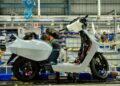
- Violating Undertakings: Tesla Inc. accused the Indian firm of violating previous undertakings by selling electric scooters through dealers under various sub-brands.
The situation escalated after mediation talks between the two parties failed, prompting the court to hear the petition.
The Defense: “Tesla is Not a Coined Mark”
Tesla Power India presented a defense centered on the nature of the name itself. They argued that they were primarily selling lead-acid batteries for automobiles and inverters, not manufacturing EVs.
Key arguments from the Indian firm included:
- No Monopoly: They claimed Tesla Inc. could not claim a monopoly over the name “Tesla” as it is not a coined mark (a unique word created specifically for a brand).
- Common Usage: They argued that many companies globally, including several in India, use the name.
- Strategic Partnerships: The CEO submitted that advertisements featuring the Tesla trademark were actually related to another company, e-Ashwa, with whom they had a partnership.
Despite these arguments, the company eventually told the court it had written to vendors and partners to remove Tesla marks from electric scooters, stating, “We don’t wish to sell anything beyond the undertaking.”
Frequently Asked Questions (FAQs)
Q1: Who filed the trademark infringement suit? The suit was filed by Elon Musk’s Tesla Inc., the US-based electric vehicle and clean energy company, against Gurugram-based Tesla Power India.
Q2: What has the Delhi High Court ordered? The court has restrained Tesla Power India from publishing any promotional advertisements for EV products under the ‘Tesla’ brand. It also barred them from using the mark for vehicle batteries, inverters, and UPS systems until the final verdict.
Q3: Does Tesla Power India manufacture electric cars? No. Tesla Power India argued that they do not manufacture EVs but primarily sell lead-acid batteries and inverters. However, Tesla Inc. alleged they were marketing electric scooters under sub-brands.
Q4: Why did mediation fail? The article notes that mediation talks failed last year, which led the court to proceed with hearing the trademark infringement petition on its merits.
Q5: What was the main argument of the Indian company? Tesla Power India argued that “Tesla” is not a coined word and therefore the US company cannot claim a monopoly over it, citing that many other companies use the name.
You can add more to this story by commenting below.