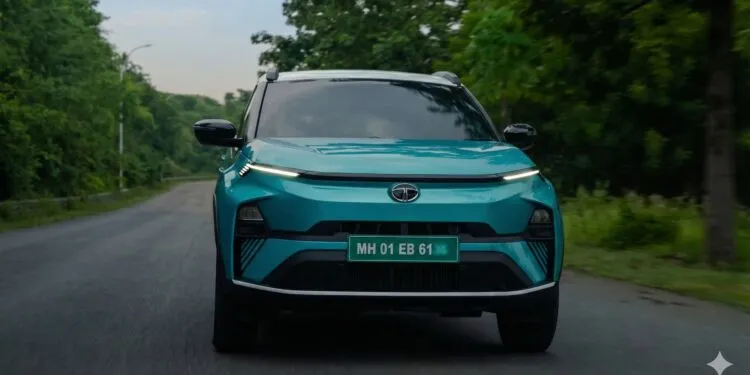
In a landmark achievement for the Indian automotive industry, Tata Motors has officially surpassed 250,000 electric vehicle (EV) sales. This milestone cements the company’s position as the dominant force in India’s electric passenger vehicle segment, commanding a 66% market share of all EVs sold in the country to date.
The Spearhead of Transformation: Nexon.ev Hits 100,000
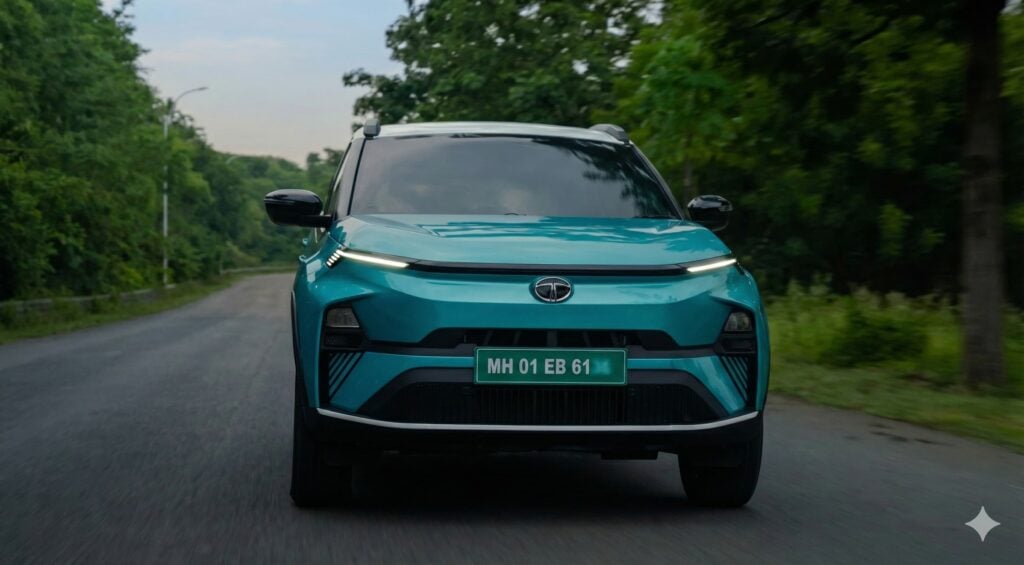
The cornerstone of this success is the Nexon.ev, which has become the first electric vehicle in India to cross the 100,000 cumulative sales mark. Since its launch in 2020, the Nexon.ev has transformed from a niche product into a mainstream bestseller, proving that electric mobility is no longer just for early adopters.
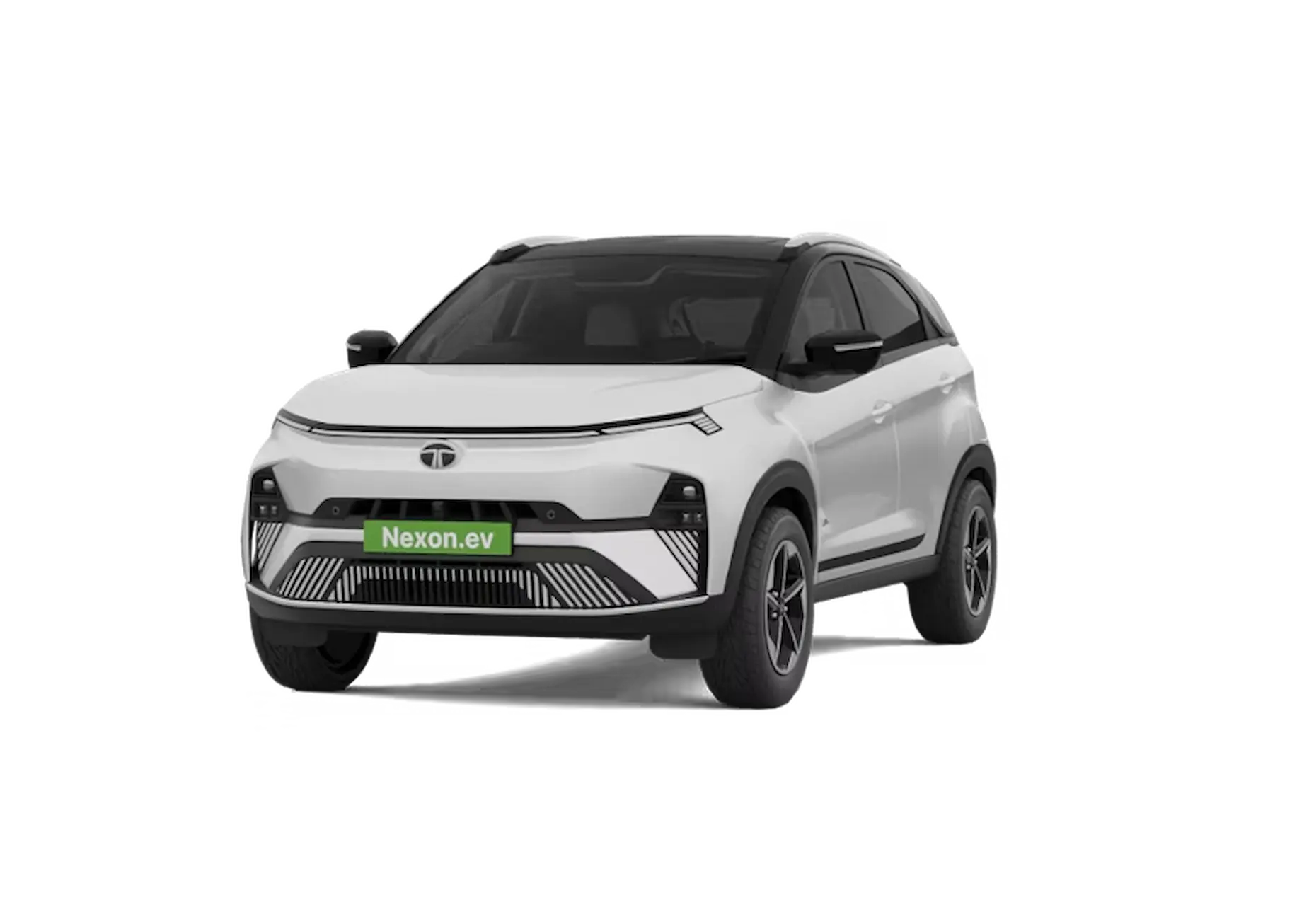
Tata Nexon Ev

EV Usage Insights: Moving into the Mainstream
Data from TATA.ev owners reveals a significant shift in how Indian consumers perceive and use electric vehicles:
- Primary Vehicles: A staggering 84% of TATA.ev customers use their EV as their primary car for daily transportation.
- Beyond Metros: Adoption is widespread, with owners residing in over 1,000 towns and cities across India.
- New Buyer Surge: More than 26% of customers are first-time car buyers, choosing electric as their very first entry into car ownership.
- Long-Distance Confidence: Approximately 50% of owners have undertaken long-distance trips exceeding 500 km, debunking myths about “range anxiety”.
- High Real-World Usage: On average, Tata EV owners drive 20,000 km annually, with roughly 26,000 customers already surpassing the 100,000 km mark on their odometers.
Building a Robust Ecosystem: Charging and Service
Tata Motors’ leadership is built on more than just cars; it is supported by the most comprehensive EV infrastructure in the country.
Charging Infrastructure
- Network Scale: The TATA.ev network already provides access to over 2 lakh charging points, including home, community, and public charging.
- Mega Hubs: There are 100 MegaCharging Hubs currently live across key national corridors, offering up to 16 charging points per hub and speeds exceeding 120kW.
- Future Targets: By 2030, Tata Motors aims to establish 1 million charging points across India.

Service and Support
- Specialized Care: The company operates the nation’s largest EV service network, featuring 1,500 dedicated EV bays.
- Expertise: Over 5,000 specially trained technicians ensure that TATA.ev vehicles receive expert maintenance.
Bold Localization and Innovation
Tata Motors is deeply committed to the “Make in India” vision, with every TATA.ev vehicle now built with over 50% locally manufactured content.
- Homegrown Architecture: The company introduced Acti.ev, India’s first homegrown pure EV architecture, designed to optimize performance and safety.
- Battery Localization: Key components like HV battery packs and management systems are developed in collaboration with Tata Group companies, with future cells sourced from Agratas’ gigafactory in Sanand.
The Road to 2030: New Products and Massive Investment
Tata Motors is entering its next phase of growth with a clear roadmap to sustain leadership through the end of the decade.
Product Roadmap
- CY2026: Launch of the highly anticipated Sierra.ev, a new Punch.ev, and the premium luxury Avinya range.
- FY2030: A total of five new EV nameplates will be added to the portfolio, supported by multiple refreshes across existing models.
Financial Commitment
Between FY25 and FY30, Tata Motors plans to invest between ₹16,000 crore and ₹18,000 crore. This capital will be directed toward new product development, cutting-edge technologies, and further scaling the EV ecosystem.
Frequently Asked Questions (FAQs)
1. How many electric vehicles has Tata Motors sold in India? Tata Motors has surpassed 250,000 total EV sales, representing about two-thirds of all EVs on Indian roads.
2. Which is the most popular electric car in India? The Nexon.ev is the market leader and the first EV in India to achieve over 100,000 cumulative sales.
3. What are the upcoming EV models from Tata? Upcoming launches include the Sierra.ev, Punch.ev, and the Avinya range in 2026, with five new models planned by 2030.
4. How many charging points does Tata plan to install? Tata Motors aims to have 400,000 charge points by 2027 and reach a milestone of 1 million charge points by 2030.
5. Is Tata focusing on local manufacturing for its EVs? Yes, every TATA.ev vehicle currently has over 50% locally manufactured content, with plans to source battery cells from a new domestic gigafactory.
Tata Nexon Ev
You can add more to this story by commenting below.