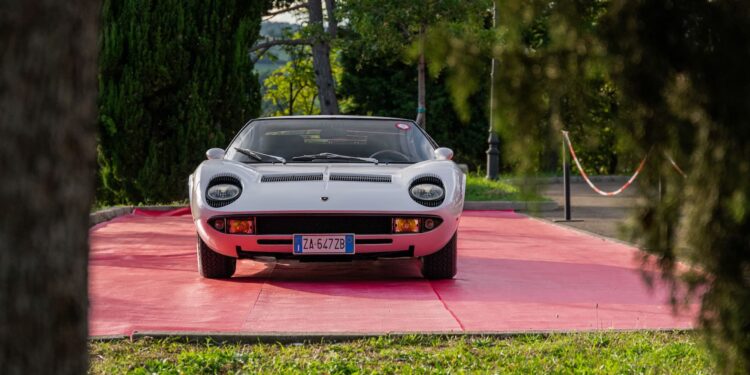
60 Years of the Lamborghini Miura: The First Supercar in History
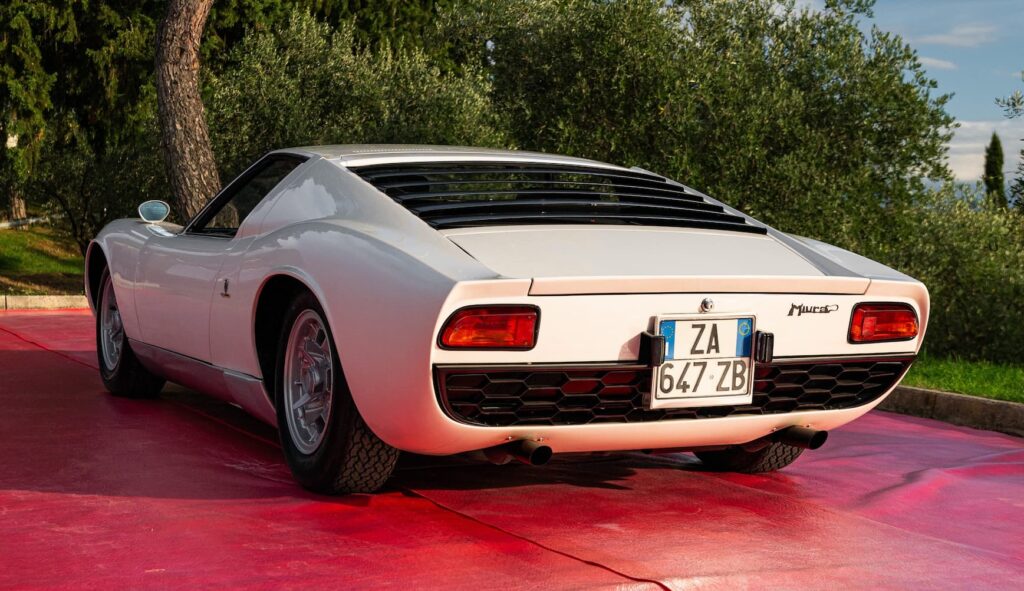
In 2026, Automobili Lamborghini is celebrating the 60th anniversary of the Lamborghini Miura, a vehicle widely recognized as the first true supercar. When the Miura debuted in March 1966 at the Geneva Motor Show, it did far more than introduce a new car to the market. It completely redefined the expectations for a high-performance road vehicle by introducing a revolutionary architecture that broke with traditional GT design.
The Birth of a Revolution
Launched just three years after the founding of Automobili Lamborghini, the Miura was only the third model unveiled by the young company. Starting in 1964, engineers Gian Paolo Dallara and Paolo Stanzani, along with test driver Bob Wallace, began developing the idea for a new super sports car inspired by motorsport.
The iconic shape of the car was created by the legendary design firm Carrozzeria Bertone, where Marcello Gandini served as Head of Design at the time. The vehicle’s name was also a first for the brand: Lamborghini deliberately named the car after the powerful breed of Spanish bulls bred by Don Eduardo Miura Fernández. This established a core brand tradition of naming models after legendary bulls.
Unmatched Performance and the V12 Legacy
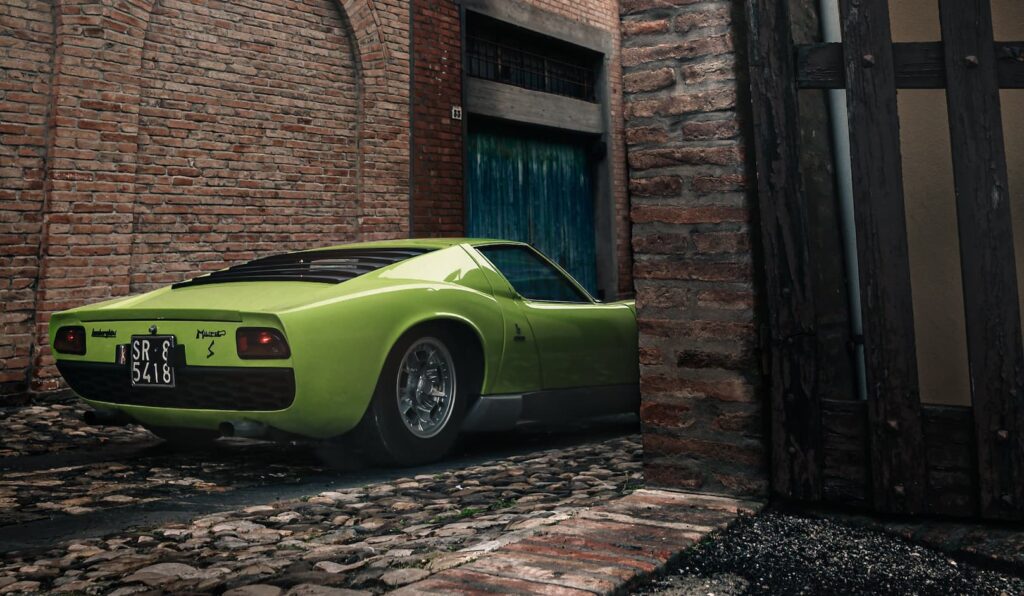
The Miura effectively gave birth to the modern mid-engine super sports car segment. At the heart of the vehicle was a transversely mounted 3.9-liter V12 engine located behind the driver.
The performance figures were surreal for the era. In its latest version, the legendary V12 engine delivered an impressive output of up to 380 horsepower. This allowed the Miura to reach a top speed of 290 km/h (174 mph), making it the fastest production car in the world.
Evolution of an Icon: Production Models
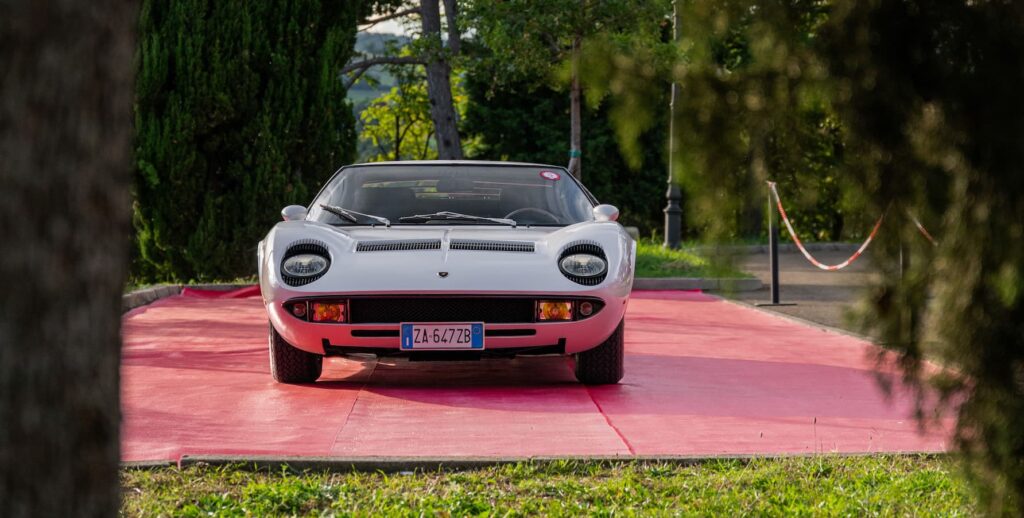
According to official records, 763 Lamborghini Miura models were built between 1966 and 1973 at the Sant’Agata Bolognese factory in Italy. The production run was defined by three distinct iterations:
- Lamborghini Miura P400 (1966-1969): This was the original, purist Miura. It featured a 3.9-liter V12 engine that generated 350 hp at 7,000 rpm. The vehicle could reach a top speed of approximately 280 km/h.
- Lamborghini Miura P400 S (1968-1971): The P400 S combined the raw power of the original with added luxury. Engine output increased to 370 hp at 7,500 rpm. Improvements included electric windows, modernized chassis tuning, and a higher-quality interior.
- Lamborghini Miura P400 SV (1971-1973): As the final version of the series, the SV offered the highest performance and roadworthiness. The engine delivered 385 hp at 7,850 rpm. It featured a top speed of over 290 km/h and a wider rear axle for better traction.
2026 Anniversary Celebrations
To honor this extraordinary icon in 2026, Automobili Lamborghini is hosting a series of worldwide celebrations throughout the year. A highlight of these events is the Lamborghini Polo Storico Tour. Organized by the brand’s Heritage department, this exclusive tour dedicated to the Miura is scheduled to take place from May 6th to May 10th in Northern Italy.
Frequently Asked Questions (FAQs)
When did the Lamborghini Miura first debut? The Lamborghini Miura debuted in March 1966 at the Geneva Motor Show.
Why is the Lamborghini Miura considered the first supercar? The Miura redefined high-performance road vehicles and created the modern mid-engine super sports car segment. It featured a radical V12 engine transversely mounted behind the driver, delivering unprecedented speed and performance for its time.
How many Lamborghini Miura models were produced? Official records indicate that 763 Lamborghini Miura models were built at the Lamborghini factory in Sant’Agata Bolognese between 1966 and 1973.
How fast was the Lamborghini Miura? In its latest version, the Miura could reach a top speed of 290 km/h (174 mph), effectively making it the fastest production car in the world at that time.
Where does the name “Miura” come from? The vehicle is named after a powerful breed of Spanish bulls bred by Don Eduardo Miura Fernández.
You can add more to this story by commenting below.