Tata Sierra OTA Update: Ushering in a New Era of Software-Defined Vehicles
The automotive landscape is undergoing a massive transformation, moving away from traditional mechanical engineering to advanced software integration. On April 7, 2026, Excelfore announced the deployment of a comprehensive over-the-air (OTA) software update and remote diagnostics platform for Tata Motors Passenger Vehicles (TMPV). This cutting-edge technology will make its official debut with the new Tata Sierra.
This collaboration marks a major step in operationalizing software-defined vehicle (SDV) capabilities at a true production scale. Below, we take a deep dive into the technology powering this update, the industry standards making it possible, and what it means for the future of connected mobility.
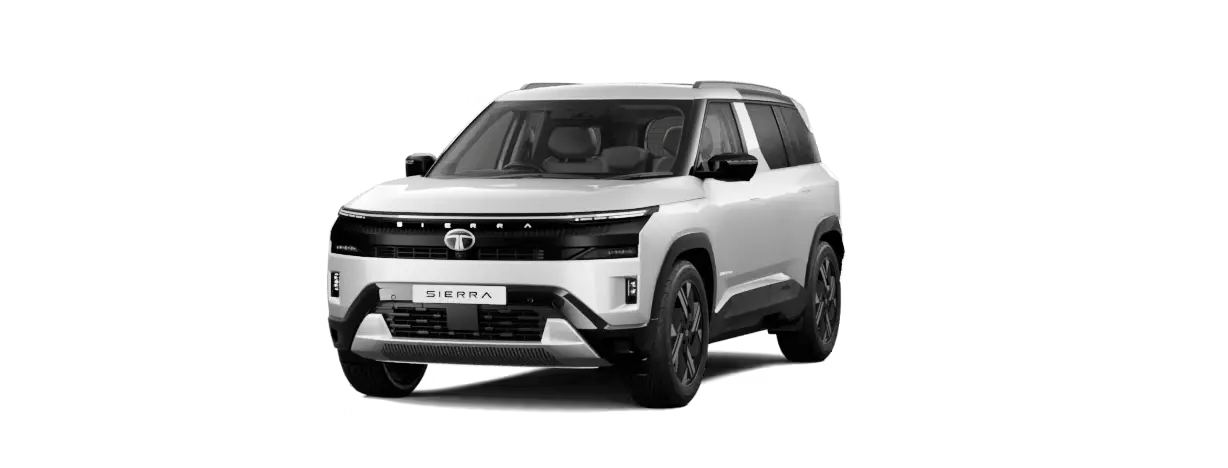
Tata Sierra

The Shift from Static Programs to Evolving Platforms
Historically, once a vehicle rolled off the dealership lot, its features and capabilities remained largely fixed. The new Tata Sierra reflects a fundamental shift from these static vehicle programs to continuously evolving platforms.
Engineered from its very inception as a software-defined vehicle, the Sierra integrates OTA updates and service-oriented diagnostics as core architectural elements, rather than treating them as mere add-on features. This ground-up approach enables ongoing improvement throughout the entire lifecycle of the vehicle.
Deep Dive into the Technology: Excelfore eSync and AWS
To manage complex software updates across thousands of vehicles, a robust and highly scalable backend architecture is required. At the center of this new platform is the Excelfore eSync OTA solution, which is deployed natively on Amazon Web Services (AWS) IoT Core.
This system enables secure, end-to-end software lifecycle management across the vehicle’s full electrical and electronic architecture. Crucially, it manages both modern domain-based systems as well as legacy distributed electronic control units (ECUs).
The technical implementation supports several advanced operational functions essential for modern fleet management:
- Secure firmware and software updates.
- Differential (delta) delivery to minimize data usage and speed up transfer times.
- Rollback and recovery systems to ensure maximum vehicle safety during updates.
- Coordinated multi-ECU campaign management.
To execute these tasks, bi-directional cloud-to-vehicle communication enables continuous monitoring and optimization. Once the data reaches the vehicle, updates are executed over high-speed automotive Ethernet networks, as well as via gateway ECUs using UDS over DoIP across traditional CAN buses.
The Critical Role of Open Industry Standards
Tata’s adoption of the eSync system was an enterprise-level decision based on a core understanding: standards-driven OTA and diagnostics create transparency, interoperability, and long-term sustainability. Standards provide the necessary foundation that allows vehicles to evolve continuously over time rather than remain rigidly fixed at the time of launch.
A key element of this deployment is its strict foundation in established industry standards.
- The OTA infrastructure is based entirely on eSync Alliance specifications.
- Remote diagnostics are enabled through ASAM’s Service-Oriented Vehicle Diagnostics (SOVD).
By utilizing this approach, Excelfore and Tata Motors enable deep interoperability and significantly reduce integration complexity. Furthermore, it supports scalable, multi-supplier ecosystems without trapping the manufacturer or the consumer in proprietary lock-in.

Bringing Software-Defined Capabilities to ICE Vehicles
While the conversation around SDVs often centers on electric vehicles, this technology is not exclusive to battery-powered cars. Shrinath Acharya, CEO of Excelfore, emphasized this point, stating that cars with internal combustion engines are not going away anytime soon. According to Acharya, the Tata Sierra is an inspiring example of how a great name in the market can be brought forward to the status of a software-defined vehicle.
The Sierra clearly demonstrates that SDV capabilities can be successfully delivered on today’s internal combustion platforms through intelligent OTA orchestration of distributed ECUs. This deployment gives Original Equipment Manufacturers (OEMs) a practical and immediate path to continuous improvement, feature deployment, and remote diagnostics today.
At the same time, this infrastructure prepares the automotive industry for the inevitable transition to next-generation, data-centric compute architectures. These future architectures will rely heavily on CI/CD-driven software delivery and highly secure over-the-air deployment frameworks.
The Operational Backbone of Modern Vehicles
The deployment establishes a production-ready model for lifecycle software management across connected vehicle fleets. By effectively combining standards-based OTA, service-oriented diagnostics, and scalable cloud-native infrastructure, Excelfore and Tata Motors have positioned the Tata Sierra as a continuously evolving platform. Ultimately, this partnership reinforces the reality that software is now the primary operational backbone of modern vehicles.
Frequently Asked Questions (FAQs)
What is the new technology introduced in the Tata Sierra? Excelfore has deployed a comprehensive, standards-based over-the-air (OTA) software update and remote diagnostics platform for the new Tata Sierra. This integrates OTA updates and diagnostics as core architectural elements from the vehicle’s inception.
How are the software updates managed from the cloud? The platform is centered around the Excelfore eSync OTA solution, which is deployed on Amazon Web Services (AWS) IoT Core. This allows for bi-directional cloud-to-vehicle communication to ensure continuous monitoring and optimization.
Are software-defined vehicle features only for EVs? No. The Tata Sierra deployment proves that software-defined vehicle capabilities can be delivered on today’s internal combustion platforms via intelligent OTA orchestration of distributed ECUs.
What specific industry standards are being used? The OTA infrastructure is built on eSync Alliance specifications, while the remote diagnostics are powered by ASAM’s Service-Oriented Vehicle Diagnostics (SOVD).
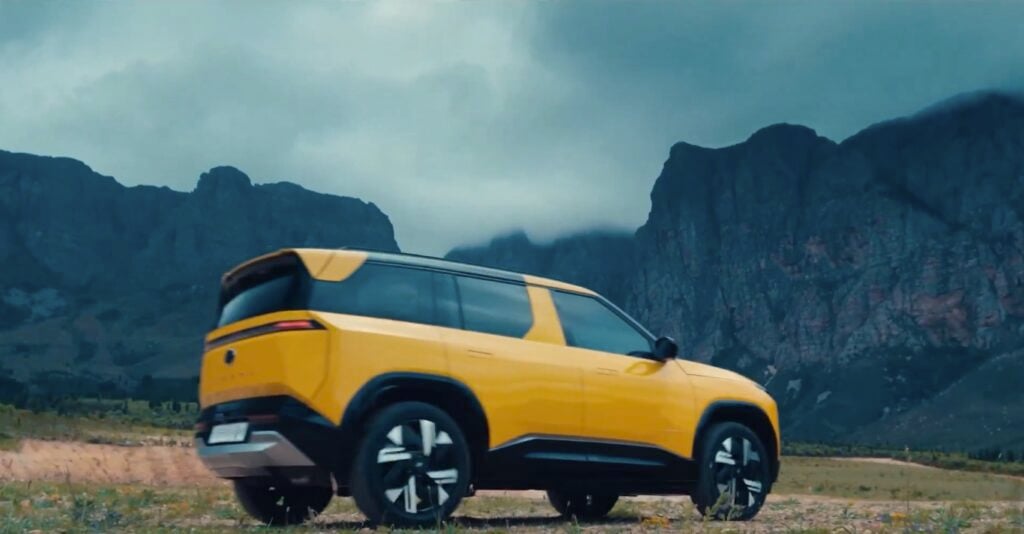
Tata Sierra
How does the system ensure safety during an update? The Excelfore implementation supports secure firmware and software updates, and includes essential safety mechanisms like rollback and recovery, as well as differential (delta) delivery and coordinated multi-ECU campaign management.
You can add more to this story by commenting below.