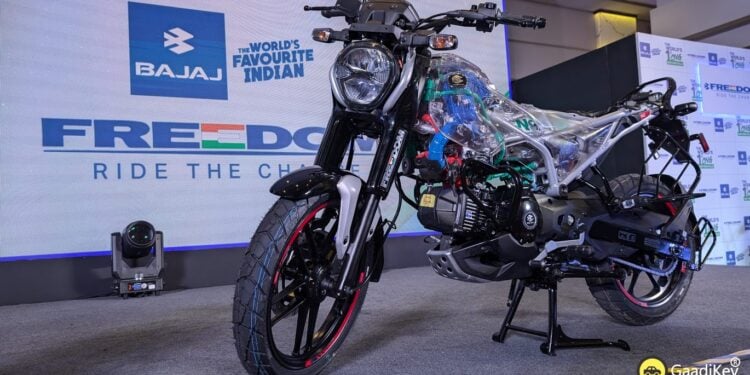
Bajaj Auto Slashes Motorcycle Prices by up to ₹20,000, Passing on Full GST Benefit to Customers
Bajaj Makes Two-Wheelers More Accessible with Festive Season Price Cuts
In a landmark decision timed just ahead of the festive season, Bajaj Auto has announced that it will fully pass on the recent GST reduction to its customers. The move, which takes effect from September 22, 2025, makes a wide range of motorcycles more affordable, allowing consumers to celebrate the festive period with significant savings.

The price reduction is a direct result of the government’s GST reform, which is designed to lift consumer sentiment and boost the auto sector. For buyers of two-wheelers under 350cc, this translates to savings of up to ₹20,000 on models from both the Bajaj and KTM lineups. This makes a new 2025 Bajaj motorcycle purchase, whether it’s a commuter, cruiser, or a performance-oriented bike, more attractive than ever.
Rakesh Sharma, Executive Director of Bajaj Auto, stated that this initiative is a “bold step forward” that will “unlock their demand and set the industry on a firm growth path”. He added that two- and three-wheelers are the backbone of many livelihoods and family aspirations, and Bajaj is delighted to make its vehicles more affordable.
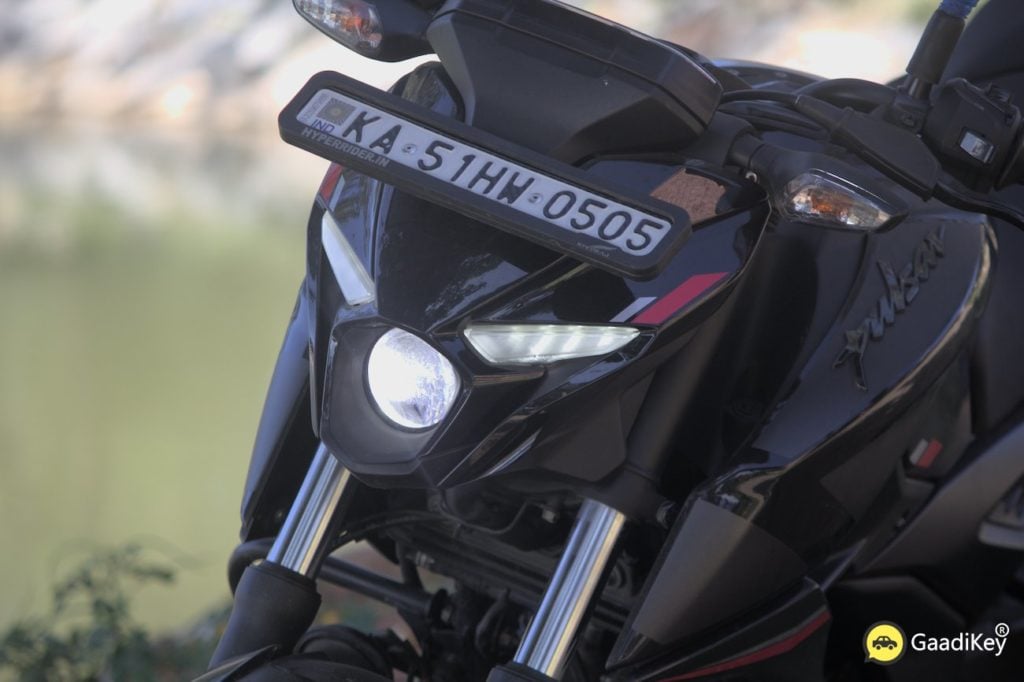
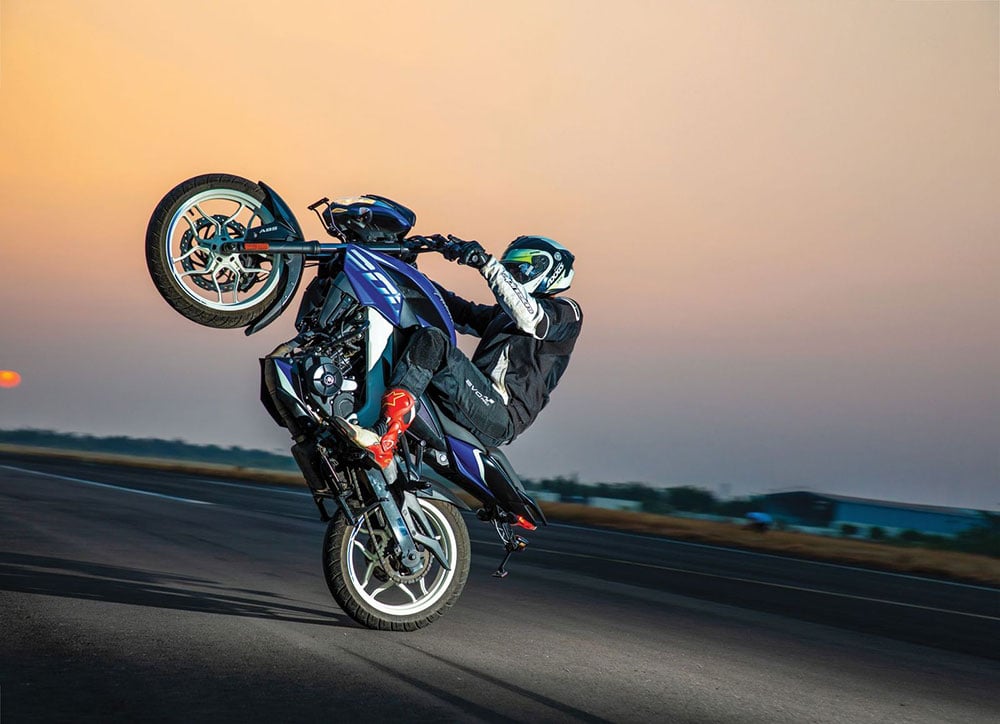
The price drop is particularly appealing for popular models like the Bajaj Pulsar, Avenger, Platina, CT, and Dominar, which are central to the company’s portfolio. The lower prices will improve accessibility for a wide range of riders, from young enthusiasts to daily commuters and small business owners.
Price after GST Cut: Bajaj Motorcycle Models
| Model | Ex-Showroom Old Price (Approx.) | Price Reduced (GST 2.0) |
| 2025 Bajaj Pulsar 125 | ₹85,178 | Up to ₹8,000 |
| 2025 Bajaj Pulsar 150 | ₹1,13,738 | Up to ₹11,000 |
| 2025 Bajaj Pulsar N160 | ₹1,23,291 | Approx. 7% (~₹10k) |
| 2025 Bajaj Pulsar 220F | ₹1,37,478 | Approx. 7% (~₹14k) |
| 2025 Bajaj Avenger 160 Street | ₹1,21,666 | Up to ₹12,000 |
| 2025 Bajaj Dominar 250 | ₹1,92,000 | Up to ₹19,000 |
| 2025 Bajaj Platina 100 | ₹70,611 | Up to ₹7,000 |
| 2025 Bajaj Platina 110 | ₹74,771 | Up to ₹7,500 |
| 2025 Bajaj CT 110X | ₹67,561 | Up to ₹6,500 |
Note: Prices are approximate ex-showroom and may vary by variant and city.
FAQs: Bajaj Motorcycles and the GST Rate Cut
Q1: What is the new GST rate on motorcycles under 350cc? A: The GST rate on motorcycles with an engine capacity up to 350cc has been reduced from 28% to 18%.
Q2: When did the new prices for Bajaj motorcycles take effect? A: The revised prices for Bajaj and KTM motorcycles came into effect on September 22, 2025, just in time for the festive season.
Q3: How much can a customer save on a new Bajaj two-wheeler? A: Customers can now save up to ₹20,000 on Bajaj and KTM two-wheelers.
Q4: Which Bajaj models are benefiting from the GST reduction? A: The GST reduction applies to all Bajaj motorcycles under 350cc, including the Pulsar series, Platina, CT, Avenger, and Dominar 250.
Q5: What is the price reduction on the Bajaj Pulsar 125? A: The Bajaj Pulsar 125, which has an average ex-showroom price of around ₹86,755, is now cheaper by up to approximately ₹8,000.
Q6: What about the other popular Pulsar models? A: The Bajaj Pulsar 150 sees a price cut of up to ₹11,000, while the Pulsar N160 has an approximate price drop of 7% (around ₹10,000) from its average ex-showroom price of ₹1,23,291.
Q7: Will the GST cut affect the Bajaj Pulsar NS200 and RS200? A: Yes, the GST cut will make both the Pulsar NS200 and Pulsar RS200 more affordable. The NS200, with an average ex-showroom price of ₹1,52,890, and the RS200, priced at ₹1,86,566, are both expected to see a reduction in price.
Q8: How much cheaper is the Bajaj Avenger 220 Cruise? A: The Bajaj Avenger 220 Cruise, which has an average ex-showroom price of approximately ₹1,48,842, is expected to see a price drop of around 7% (~₹12,000).
Q9: How much can I save on a Bajaj CT 110X? A: The Bajaj CT 110X, with an average ex-showroom price of around ₹73,099, is expected to have a price drop of approximately 7% (~₹6,000).
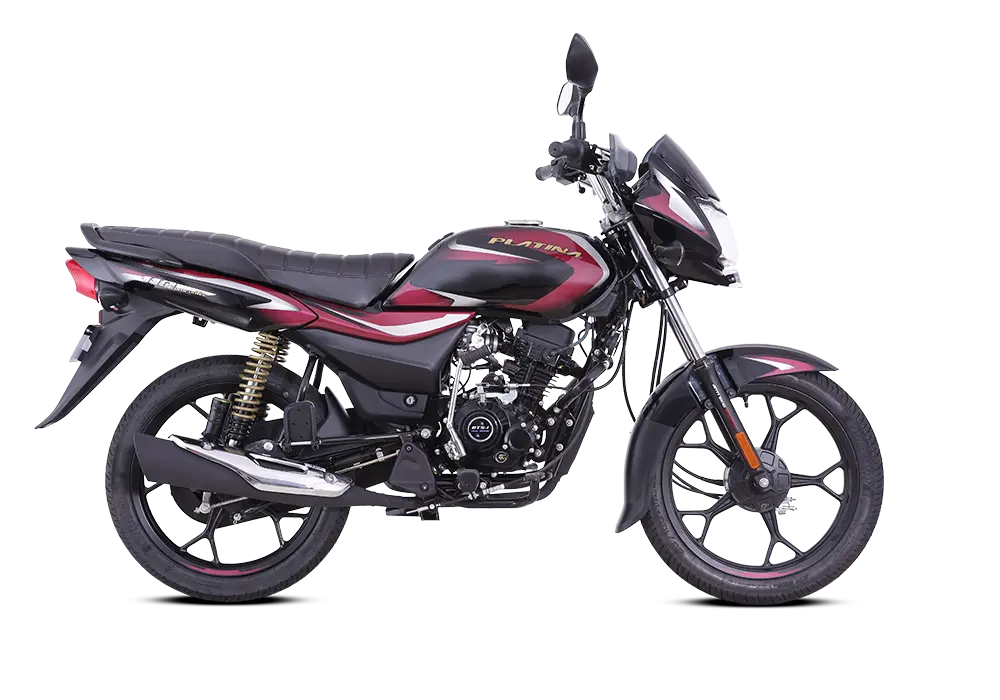
Q10: What is the price reduction for the Bajaj Platina 110? A: The average ex-showroom price of the Bajaj Platina 110 is ₹75,371. The price is expected to be reduced by approximately 7% (~₹6,000) as a result of the GST cut.
Q11: Will Bajaj’s KTM models also see a price drop? A: Yes, Bajaj Auto has confirmed that the GST benefits will be passed on to KTM motorcycles under 350cc as well. The KTM 200 Duke is expected to be cheaper by ₹16,210, and the KTM 250 Adventure by up to ₹20,352.
Q12: Why are some models getting more expensive while others are getting cheaper? A: The GST rate for motorcycles under 350cc has been reduced from 28% to 18%. However, bikes with an engine capacity above 350cc, such as the Bajaj Dominar 400, are now subject to a higher GST rate of 40%.
Q13: What will happen to the price of the Dominar 400? A: The Bajaj Dominar 400, along with other bikes over 350cc, will become more expensive due to the increase in the tax rate from 31% to 40%.
Q14: Are three-wheelers also affected by the GST cut? A: Yes, Bajaj Auto has also reduced prices on its three-wheeler range by up to ₹24,000.
Q15: How does this GST change benefit consumers? A: The price reduction puts more money in the hands of millions of families and daily commuters, making affordable and reliable mobility solutions more accessible.
Q16: Is this a limited-time festive offer? A: No, the price reduction is a permanent change resulting from the government’s GST reform. It is not a temporary festive offer.
Q17: Will the price cut apply to on-road prices as well? A: The GST reduction lowers the ex-showroom price, which is a component of the on-road price. This will lead to a reduction in the final on-road price as well.
Q18: How does this reform impact the Indian economy? A: The GST reform is expected to boost consumer sentiment and help lift demand in the auto sector, which is considered the pulse of the Indian economy.
Q19: Can I still get a loan for a new Bajaj bike after the price cut? A: Yes, the lower on-road price due to the GST cut will also lead to a lower loan amount needed, potentially resulting in lower EMIs.
Q20: What is the new price of the Bajaj Pulsar N250? A: The Bajaj Pulsar N250, which had an average ex-showroom price of ₹1,45,322, is expected to see a price drop due to the GST cut.
Q21: How much is the price reduction on Bajaj Pulsar models? A: The price reduction on the 2025 Bajaj Pulsar series varies by model. For instance, the Pulsar 125 sees a reduction of up to ₹8,000, while the Pulsar 150 gets a price cut of up to ₹11,000. The Pulsar N160 has an approximate price drop of 7% (around ₹10,000). The Pulsar NS200, which previously had an ex-showroom price of around ₹1,43,213, is expected to become more affordable by up to ₹11,180. The Pulsar RS200, with a current ex-showroom price of approximately ₹1,85,306, is expected to see a price drop of up to ₹14,463, bringing its new price to around ₹1,70,843.
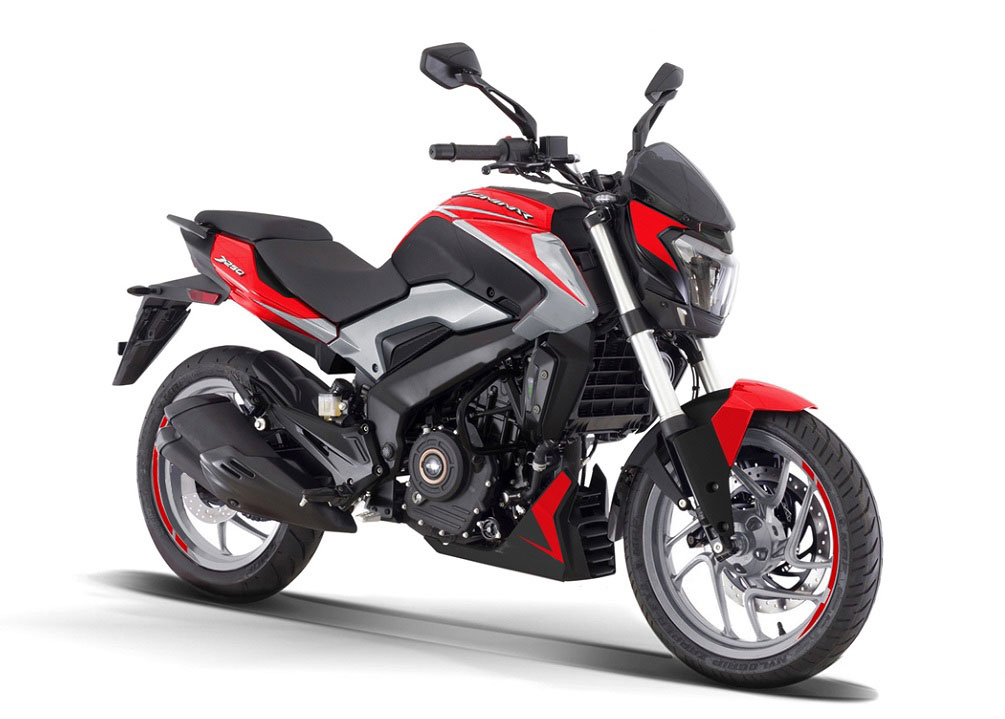
Q22: How does the GST cut affect the price of the 2025 Bajaj Dominar 250? A: The Bajaj Dominar 250, previously priced around ₹1,92,000 (Ex-Showroom), now has a price reduction of up to ₹19,000, making it more affordable for buyers. The larger Dominar 400, however, will get more expensive as it falls into the new 40% GST bracket for bikes above 350cc.
Q23: What is the new price of the 2025 Bajaj Platina 110 after the GST cut? A: The Bajaj Platina 110, which previously had an ex-showroom price ranging from ₹75,155 to ₹80,774, will now be cheaper by up to approximately ₹7,500. Some reports indicate an estimated price cut of around ₹5,551 from a current price of ₹71,558, bringing the new price to about ₹66,007.
Q24: Will the prices of Bajaj’s cruiser motorcycles like the 2025 Avenger series also be reduced? A: Yes, the Bajaj Avenger series will also get a price reduction. The Avenger 160 Street, for example, sees a price cut of up to ₹12,000. The Avenger 220 Cruise, with a current ex-showroom price of around ₹1,47,827, is expected to become more affordable by up to ₹11,532. This could bring its new ex-showroom price down to about ₹1,36,295.
Q25: Why are some Bajaj models getting more expensive while others are getting cheaper? A: The GST rate for motorcycles under 350cc has been reduced from 28% to 18%, resulting in a price cut for models like the Pulsar, Platina, and Dominar 250. However, bikes with an engine capacity above 350cc, such as the Dominar 400, are now subject to a higher GST rate of 40%, which has led to a price increase for these models. This change means that nearly all two-wheelers in the Indian market will get cheaper, with the exception of those with larger engines.