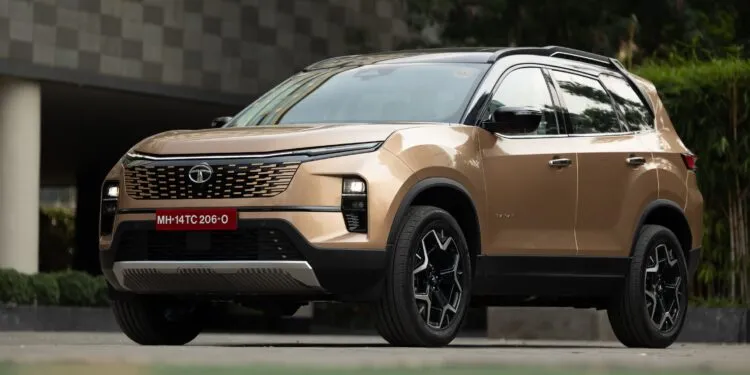
Tata Harrier and Safari Petrol: Making Flagship SUVs More Affordable
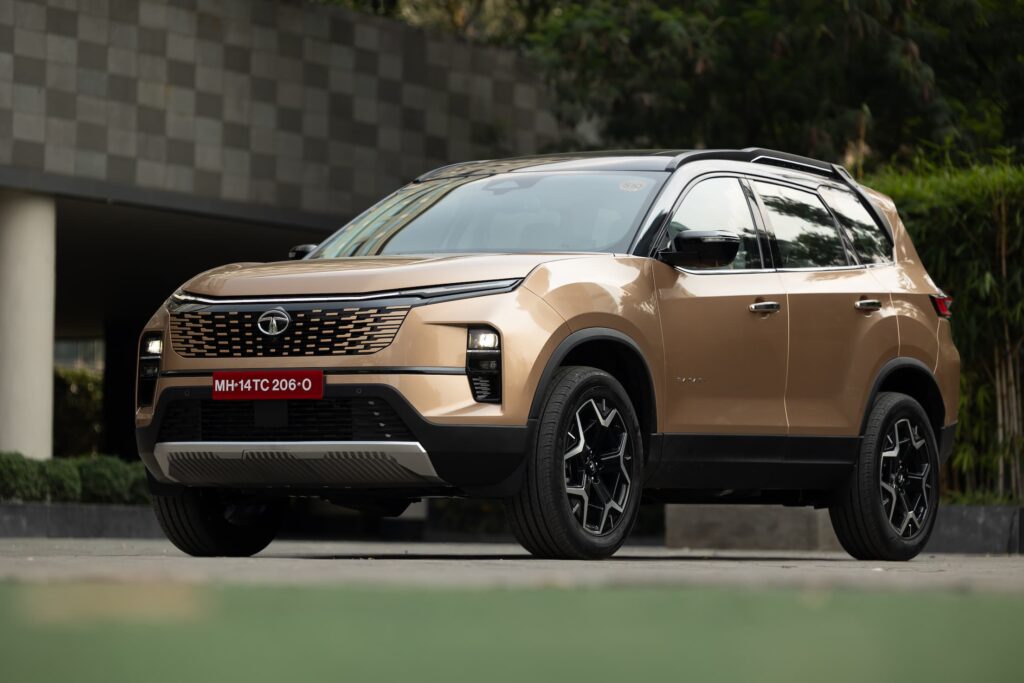
Tata Motors is gearing up for a significant shift in its SUV strategy with the launch of the petrol-powered Harrier and Safari on December 9, 2025. While the diesel powertrain has been the backbone of these SUVs, the introduction of the new 1.5-litre TGDi petrol engine is set to redefine their value proposition.
For prospective buyers, the two biggest talking points are the reduction in starting price and the expected change in fuel efficiency. Here is how the petrol variants will impact your buying decision.
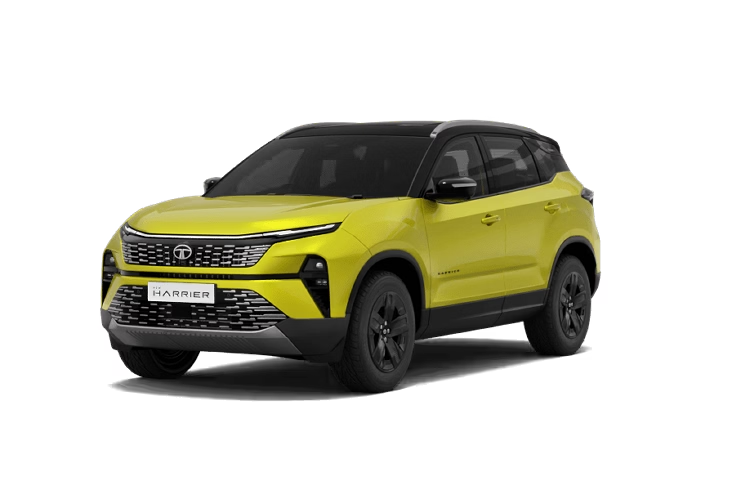
Petrol vs. Diesel: The Price Advantage
The introduction of petrol variants is expected to drastically lower the entry barrier for the Harrier and Safari. Petrol engines are inherently less expensive to manufacture than complex BS6 Phase II compliant diesel engines, which require expensive exhaust after-treatment systems like DPF (Diesel Particulate Filters) and SCR (Selective Catalytic Reduction).
- Current Pricing: The diesel Harrier currently starts at Rs 14.00 lakh, while the Safari diesel starts at Rs 14.66 lakh (ex-showroom).
- Expected Price Drop: Industry estimates suggest that the petrol variants could undercut these prices, potentially bringing the starting price closer to the Rs 12-13 lakh range. This would make the SUVs highly competitive against rivals like the Mahindra XUV700 and MG Hector, which have capitalized on aggressive petrol pricing.
Mileage Expectations: The Trade-off
While the petrol engine brings the initial cost down, it will likely come with a trade-off in fuel efficiency.
- Diesel Economy: The existing 2.0L diesel engine is favored for its frugality, especially on long highway runs, often delivering double-digit mileage figures with ease.
- Petrol Reality: The new 1.5L TGDi engine, while powerful (170 PS), is a turbocharged petrol unit. In real-world driving conditions, especially in stop-and-go city traffic, turbo-petrol engines are generally more sensitive to throttle inputs and typically deliver lower mileage than diesels.
- The Calculation: For buyers with lower monthly running (e.g., under 1,000-1,200 km), the substantial savings on the upfront purchase price of the petrol model can offset the higher fuel bills for several years, making the petrol variant a financially sounder choice.
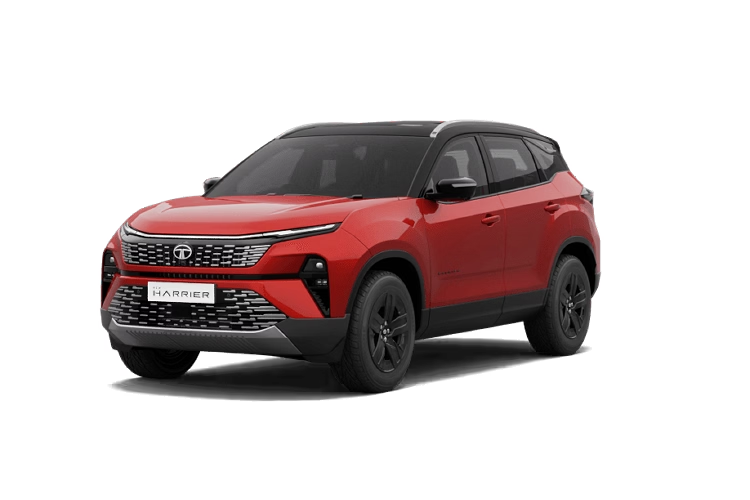
Why the Petrol Variants Make Sense Now
Despite the mileage difference, the petrol Harrier and Safari offer compelling advantages that go beyond just the sticker price:
- Refinement for the City: Petrol engines are naturally smoother, quieter, and vibrate less than diesel engines. This results in a more comfortable and premium cabin experience, which is ideal for urban environments.
- Lower Maintenance: Petrol engines are mechanically simpler. Owners won’t have to worry about DPF clogging issues, a common headache for diesel SUV owners who primarily drive short distances in the city.
- Future-Proofing: With the automotive landscape shifting away from diesel due to strict emission norms (BS6 Phase II) and the 10-year rule in regions like Delhi-NCR, a petrol SUV offers better long-term ownership security.
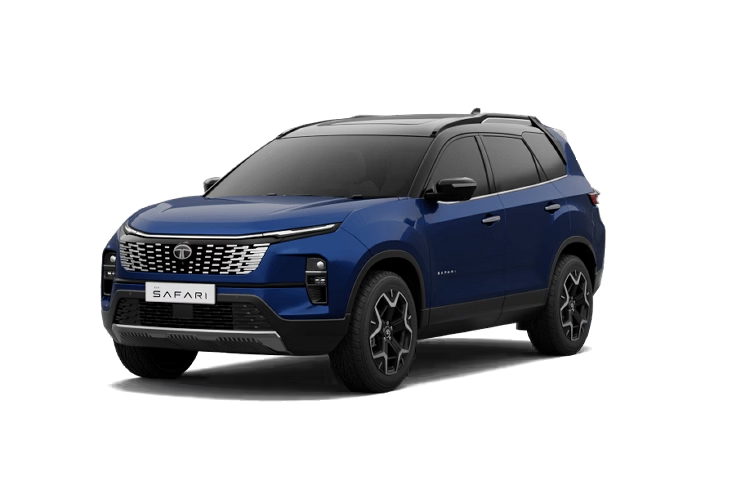
Frequently Asked Questions (FAQs)
Will the Tata Harrier petrol be cheaper than the diesel version? Yes, the petrol variants are expected to have a significantly lower starting price compared to the diesel models, making them more affordable to buy.
What mileage can be expected from the Tata Safari petrol? While official ARAI figures are yet to be released, the petrol Safari is expected to deliver lower mileage than the diesel version. Turbo-petrol engines typically prioritize performance and refinement over raw fuel economy.
Is the new petrol engine powerful enough for the Harrier? Yes, the new 1.5-litre TGDi engine produces 170 PS of power and 280 Nm of torque, which is comparable to the power output of the diesel engine (170 PS), ensuring the SUV remains fun to drive.
Why should I buy the petrol Harrier instead of the diesel? The petrol variant is ideal if you have low daily usage, drive mostly in the city, want a quieter engine, or want to avoid the higher upfront cost and potential maintenance issues associated with modern diesel engines.
You can add more to this story by commenting below.