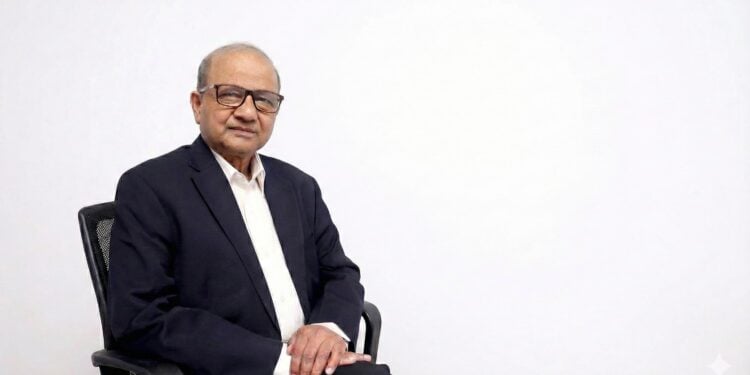
VECV CEO Vinod Aggarwal Welcomes Government’s Strategic Push for Rare Earth Magnets (REPM)
Vinod Aggarwal, Managing Director and CEO of VE Commercial Vehicles (VECV), has strongly endorsed the Union Cabinet’s recent approval of the Scheme to Promote Manufacturing of Sintered Rare Earth Permanent Magnets (REPM). Terming it a significant stride towards self-reliance, Aggarwal highlighted the scheme’s potential to strengthen India’s domestic automotive supply chain, particularly for the burgeoning Electric Vehicle (EV) sector.
The statement comes on the heels of the government clearing a ₹7,280 crore financial outlay to set up integrated manufacturing facilities for these critical components, a move set to reduce import dependence and accelerate the “Make in India” initiative.
Strengthening the EV Supply Chain
In his statement, Vinod Aggarwal emphasized that the REPM scheme is a “forward-looking step” that addresses a critical gap in the Indian automotive manufacturing ecosystem. Rare Earth Permanent Magnets are the heart of modern electric motors, essential for the efficient performance of Electric Vehicles (EVs).
Currently, the industry relies heavily on imports for these high-value components. Aggarwal noted that establishing domestic capacity will:
- Enhance Energy Security: By reducing reliance on foreign suppliers for critical raw materials.
- Boost Local Value Addition: Encouraging the production of high-tech components within the country.
- Accelerate EV Adoption: By potentially lowering the cost of electric powertrains through localized sourcing.
Understanding the REPM Scheme
The “Scheme to Promote Manufacturing of Sintered Rare Earth Permanent Magnets” is a first-of-its-kind initiative aimed at building a robust domestic ecosystem for critical minerals.
- Financial Outlay: The scheme has a total budgetary support of ₹7,280 crore.
- Production Target: It aims to create a manufacturing capacity of 6,000 Metric Tonnes Per Annum (MTPA) of REPMs.
- Strategic Importance: REPMs are vital not just for EVs but also for wind turbines, electronics, and defense applications. The scheme covers the entire value chain, from converting rare earth oxides to metals and finally to finished magnets.
VECV’s Commitment to Sustainable Mobility
As a leader in the commercial vehicle segment, VECV has been at the forefront of India’s transition to green mobility. The company has already introduced a range of electric trucks and buses, such as the Eicher Pro 2055 EV, catering to the growing demand for zero-emission logistics.
Vinod Aggarwal’s support for the REPM scheme aligns with VECV’s broader strategy to leverage indigenous technologies and build a sustainable transport ecosystem. By securing a local supply of critical components like permanent magnets, manufacturers like VECV can ensure greater supply chain resilience and cost competitiveness for their future electric platforms.
Frequently Asked Questions (FAQs)
Q1: What is the REPM scheme mentioned by Vinod Aggarwal? The REPM scheme is a government initiative with an outlay of ₹7,280 crore to promote the manufacturing of Sintered Rare Earth Permanent Magnets in India, which are critical for electric vehicle motors.
Q2: Why are Rare Earth Permanent Magnets important for the auto industry? These magnets are essential components of the electric motors used in EVs. They provide high efficiency and power density, directly impacting the vehicle’s range and performance.
Q3: How does this scheme help companies like VECV? By localizing the production of these magnets, companies like VECV can reduce their dependence on imports, lower production costs, and ensure a stable supply chain for their electric trucks and buses.
Q4: What is the total capacity targeted under the REPM scheme? The government aims to set up a manufacturing capacity of 6,000 Metric Tonnes Per Annum (MTPA) of rare earth permanent magnets.
Q5: Who is Vinod Aggarwal? Vinod Aggarwal is the Managing Director and CEO of VE Commercial Vehicles (VECV), a joint venture between the Volvo Group and Eicher Motors. He is also a key voice in the Indian automotive industry.
You can add more to this story by commenting below.