Volkswagen Group India Budget 2026: MD Piyush Arora Outlines Priorities for Sustainable Growth
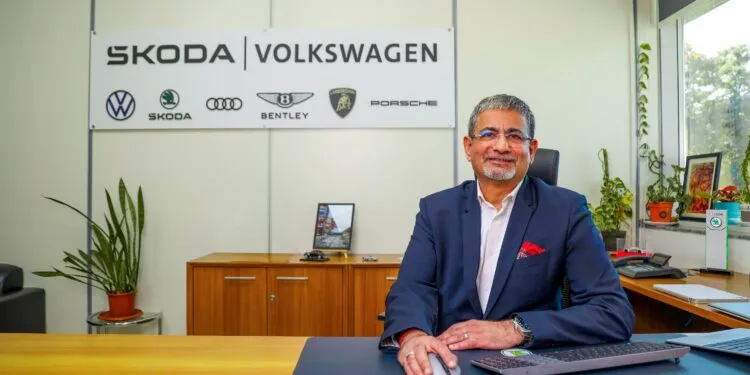
As the Indian automotive industry prepares for the announcement of the Union Budget 2026, Skoda Auto Volkswagen India Pvt Ltd (SAVWIPL) has voiced its expectations for the fiscal year. Following the recent implementation of GST 2.0, the group is looking toward the government for a roadmap that balances industrial growth with the country’s transition to green mobility.
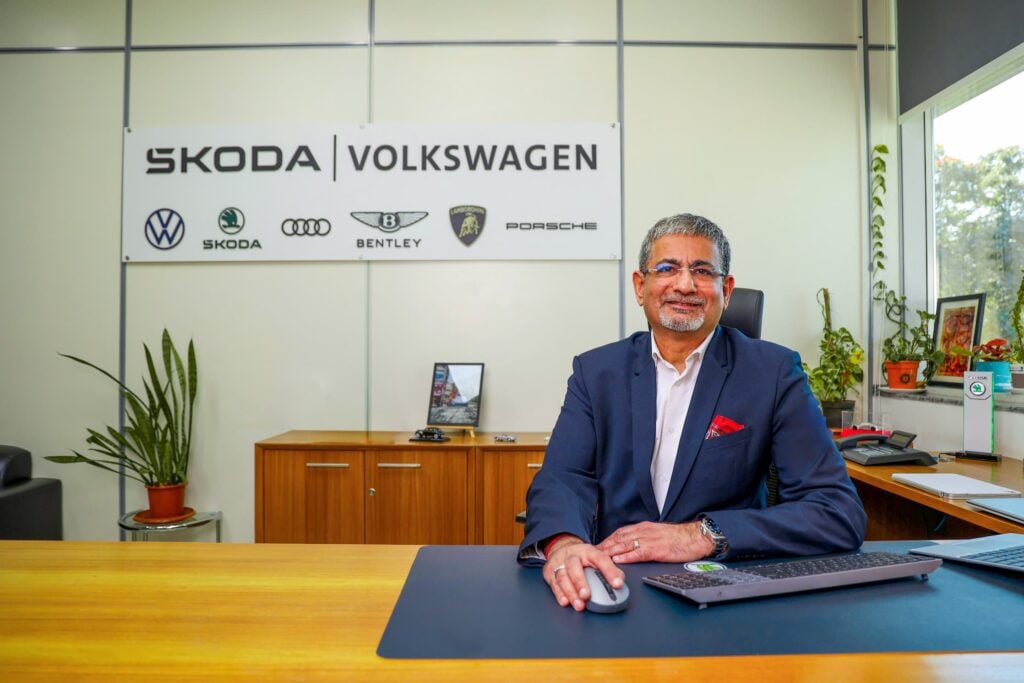
Mr. Piyush Arora, Managing Director & CEO of Skoda Auto Volkswagen India Pvt Ltd, emphasized that the industry currently seeks stability and long-term vision to sustain the momentum gained over the previous year.
Policy Continuity and Infrastructure Development
One of the primary pillars of Volkswagen’s budget anticipation is the need for policy consistency. Mr. Arora highlighted that the industry is looking for “policy continuity and long-term clarity” to plan future investments effectively.
A significant portion of this growth depends on the physical environment in which vehicles operate. The CEO pointed out that increased allocation for road and transport infrastructure remains a key priority. Robust infrastructure not only improves the logistics of manufacturing but also enhances the overall ownership experience for consumers across the country.
Accelerating the EV Transition
Volkswagen Group has been a vocal proponent of sustainable mobility in India. For the 2026 budget, the company is specifically looking for the “rationalisation of the inverted duty structure for EVs.”
Correcting this structure is seen as a vital step to:
- Strengthen domestic manufacturing capabilities.
- Improve the global competitiveness of Indian-made EVs.
- Accelerate the national transition toward an electric ecosystem.
Beyond just the vehicles, continued focus on building a comprehensive EV ecosystem—including charging networks and localized component production—is expected to be a highlight of the upcoming policy announcements.
Sustaining Consumer Demand
To ensure that the automotive sector continues to contribute significantly to India’s GDP, Volkswagen emphasizes the role of the consumer. Mr. Arora noted that measures aimed at supporting household disposable incomes will be essential. By putting more purchasing power in the hands of the middle class, the government can reinforce demand momentum, which is critical for the sector’s role in broader economic growth.
Current Volkswagen Lineup in India
Volkswagen has successfully carved out a niche in India with its “German Engineering” DNA, focusing on safety, build quality, and driving dynamics. As of early 2026, the current portfolio includes:
- Volkswagen Virtus: A premium mid-size sedan that has redefined the segment with its TSI engines and 5-star GNCAP safety rating.
- Volkswagen Taigun: The brand’s mainstay in the compact SUV segment, known for its performance-oriented GT variants.
- Volkswagen Tiguan R-Line: The latest premium offering that brings a more aggressive aesthetic and advanced features to the flagship SUV.
- Volkswagen Golf GTI: The legendary hot hatch serves as a halo model for the brand, catering to driving enthusiasts and performance purists.
Future Volkswagen Cars Expected in India
Looking ahead, Volkswagen is preparing for a significant product offensive in 2026 and beyond. The brand is expected to expand its footprint in both the SUV and EV spaces:
- Volkswagen Tayron: A new three-row premium SUV that will sit above the Taigun, offering more space and luxury for Indian families.
- Volkswagen ID.4: The highly anticipated entry of Volkswagen’s global electric “ID” series into the Indian market, marking a major milestone for their EV strategy.
- Volkswagen Tera: A potential new entry into the sub-4-meter SUV segment, aimed at high-volume growth.
- Facelift Models: Updated versions of the Virtus and Taigun are expected to arrive later in the year, featuring Level 2 ADAS and refreshed styling to keep the “India 2.0” lineup competitive.
Frequently Asked Questions (FAQs)
What are the key budget expectations for Volkswagen India in 2026? Volkswagen is primarily looking for policy continuity, infrastructure investment, and the rationalization of the inverted duty structure for electric vehicles to boost domestic manufacturing.
Who is the CEO of Skoda Auto Volkswagen India? Mr. Piyush Arora is the Managing Director and CEO of Skoda Auto Volkswagen India Pvt Ltd.
What is the “inverted duty structure” mention in the budget insights? An inverted duty structure occurs when the import duty on finished goods is lower than the duty on raw materials or components. Rationalizing this for EVs would make local assembly and manufacturing more cost-effective.
Which is the newest Volkswagen car in India? The Volkswagen Tiguan R-Line and the performance-oriented Golf GTI are among the most recent additions to the brand’s premium lineup in India.
When will Volkswagen launch its first electric car in India? While testing has been ongoing, the Volkswagen ID.4 is expected to be the brand’s first major electric vehicle launch in the Indian market, likely following the 2026 policy updates.
You can add more to this story by commenting below.