India’s GST Reforms Set to Accelerate EV Adoption and Affordable Mobility
The Goods and Services Tax (GST) Council’s recent decision to overhaul India’s tax structure marks a significant milestone for the country’s economic future. These reforms, aimed at simplifying the indirect tax system, are poised to benefit a wide range of sectors, with the automotive industry standing out as a major beneficiary. The changes are expected to fuel growth in both the electric vehicle (EV) segment and the affordable small car market.
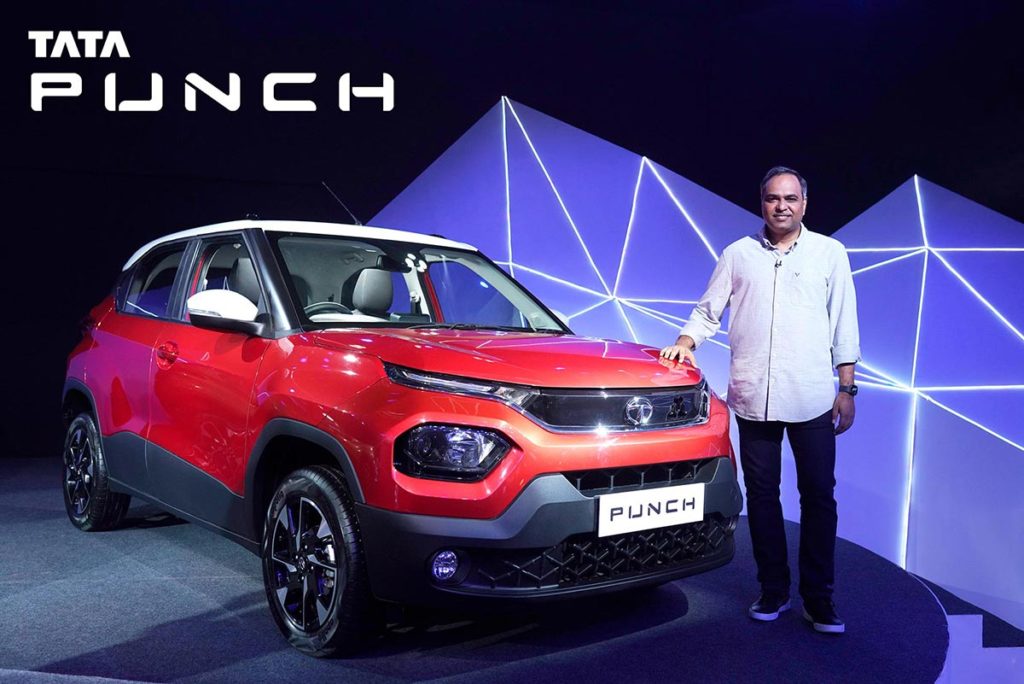
Mr. Shailesh Chandra, Managing Director of Tata Motors Passenger Vehicles Ltd. and Tata Passenger Electric Mobility Ltd., praised the reforms as a reflection of Prime Minister Narendra Modi’s vision for a “next-generation GST.”
“The streamlined GST framework goes beyond rate rationalization with structural reforms enhancing long-term confidence in India’s economic environment,”
he said.
A Clear Path for Electric Mobility
One of the most impactful decisions from the GST Council is the retention of the 5% GST rate on electric vehicles. This is a critical move that sends a strong signal of long-term policy stability for the EV sector.
According to Mr. Chandra, this “forward-looking move…reinforces India’s commitment to sustainable, zero-emission mobility.” By maintaining the low tax rate, the government is not only making EVs more accessible to consumers but also encouraging a cleaner, greener future. This move is a major win for both the environment and the EV industry, which is a key focus for Tata Motors.
Making Personal Mobility More Accessible
In addition to the boost for EVs, the new reforms have made a significant change for traditional vehicles. The GST on small cars has been reduced to 18%. This reduction will directly impact the price of entry-level and compact cars, making them more affordable for a wider section of society.
This measure, along with the consistent support for EVs, is expected to drive up demand, especially in the festive season. As Mr. Chandra noted, these reforms will “not only accelerate EV adoption but also drive innovation, strengthen domestic manufacturing, and propel India toward a cleaner, smarter, and self-reliant mobility future.”
The strategic dual-pronged approach of making both small internal combustion engine (ICE) cars and electric cars more affordable demonstrates a comprehensive vision for the future of Indian mobility.
FAQs
Q1: What are the key GST reforms for the automotive industry? A: The GST Council has made two major changes: retaining the 5% GST rate on all electric vehicles and reducing the GST on small cars to 18%.
Q2: How will the GST reforms affect the price of small cars? A: With the GST on small cars reduced from 28% to 18%, consumers can expect a significant reduction in the final price of these vehicles. This makes personal mobility more affordable and accessible.
Q3: Why is the 5% GST on EVs important? A: The decision to retain the 5% GST rate on electric vehicles demonstrates the government’s long-term commitment to promoting sustainable, zero-emission transportation. This stability encourages both consumers to adopt EVs and manufacturers to invest in the sector.
Q4: Who is Shailesh Chandra? A: Shailesh Chandra is the Managing Director of Tata Motors Passenger Vehicles Ltd. and Tata Passenger Electric Mobility Ltd. He has played a key role in the turnaround and growth of Tata Motors’ passenger and electric vehicle businesses.
Q5: When will these new GST rates come into effect? A: The new GST rates are effective from September 22, 2025.
You can add more to this story by commenting below.