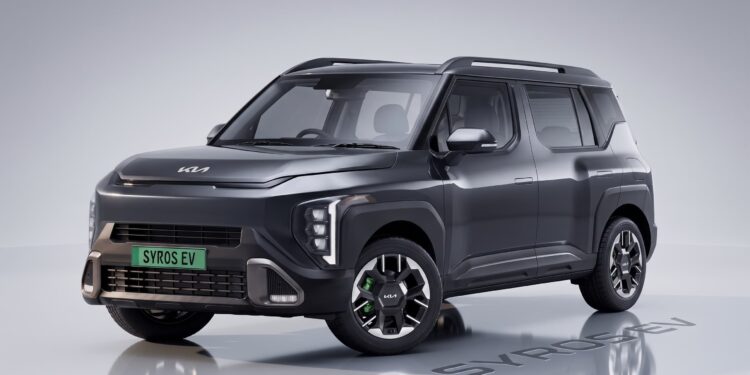
Kia Syros EV Gearing Up for an August Launch in India
Kia India is preparing to introduce the all-electric version of the Kia Syros. With a launch expected in August this year, the highly anticipated model is set to expand Kia’s growing footprint in the domestic electric vehicle sector. Once introduced, the Syros EV is projected to become the brand’s most accessible electric offering in the Indian market.
Expanding the Syros Lineup
The upcoming model will serve as a new alternative for buyers, joining the existing petrol and diesel-powered Syros lineup as the third powertrain option. Instead of engineering a dedicated electric architecture from scratch, Kia is following the broader industry trend of adapting existing models for electric mobility. Consequently, the new electric vehicle is expected to be based on the same K1 platform as its internal combustion counterpart.
Exterior Design: Familiar Yet Futuristic
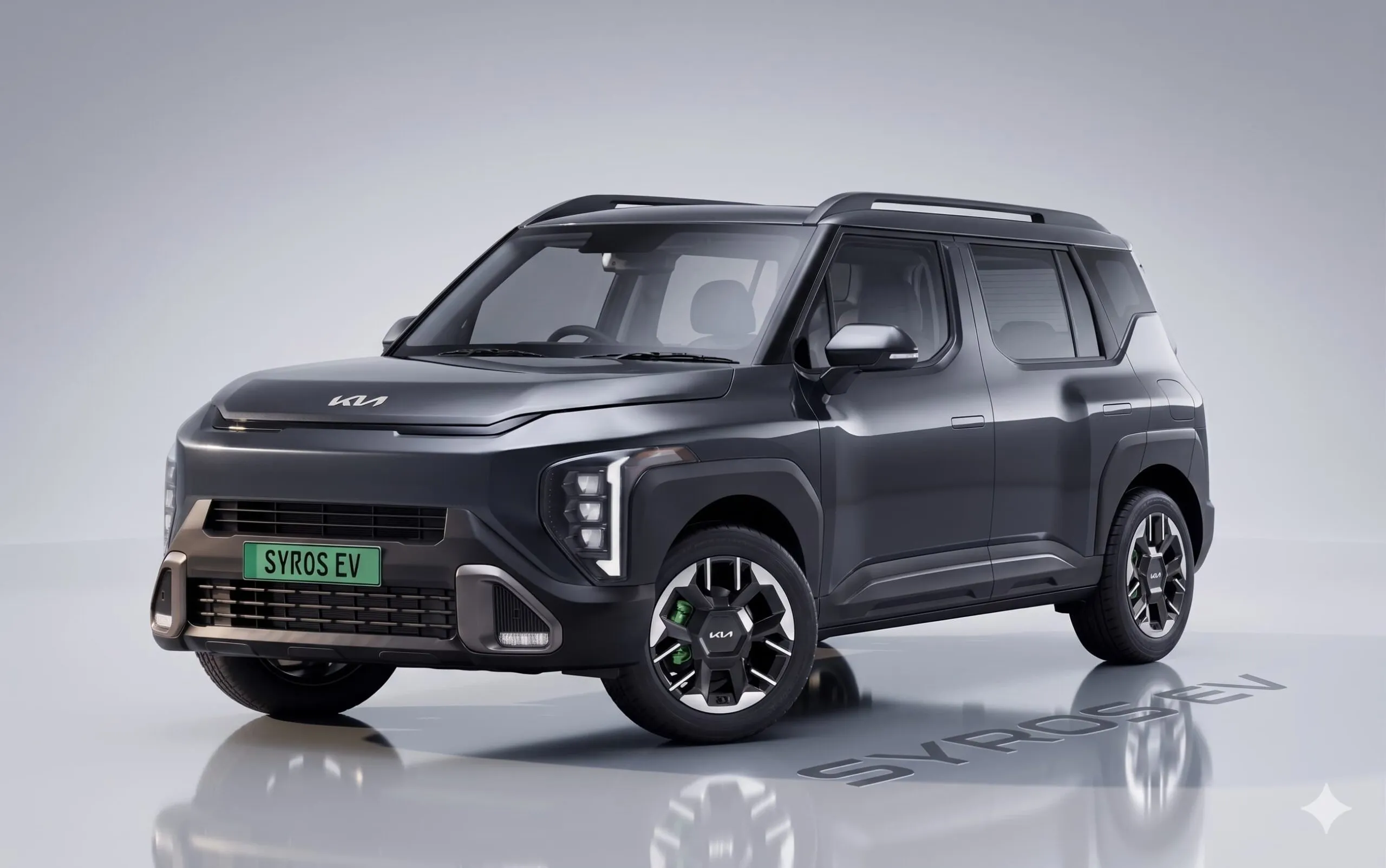
Automotive enthusiasts have already spotted test mules of the Syros EV on Indian roads. Although these early test vehicles were heavily camouflaged, they provided a strong glimpse into the vehicle’s exterior direction. Based on these sightings, the overall design is likely to remain largely similar to the ICE version.
- The Syros EV will retain its distinctive tallboy stance.
- It will also maintain the boxy proportions that define the standard Syros.
- Subtle EV-specific design elements are expected, including revised front and rear bumpers.
- The electric SUV will ride on unique alloy wheels.
- A dedicated charging port will be conveniently located on the front fender.
Interior and Tech Features
Inside, the cabin layout is likely to mirror the standard Syros, featuring minimal structural changes to keep the aesthetic familiar and production streamlined. However, the electric variant will bring several modern, EV-centric updates to the table.
- The cabin updates may extend to EV-specific displays.
- Buyers can expect revised upholstery and interior trim options.
- Feature additions could include vehicle-to-load (V2L) capabilities.
- The vehicle may also offer vehicle-to-vehicle (V2V) charging functionalities.
- It currently remains unclear whether advanced driver assistance systems (ADAS) will be offered, especially considering their removal from the latest ICE version.
Powertrain and Battery Expectations
While official technical specifications have not yet been confirmed by Kia, the Syros EV is expected to feature a front-wheel-drive setup. The underlying K1 platform also underpins the global Inster EV.
- The global Inster EV offers battery packs of 42kWh and 49kWh.
- Given the shared platform, similar battery capacities could be considered for the India-spec Syros EV.
Expected Pricing and Rivals
The Syros EV’s launch timeline appears to have shifted slightly from original projections, with its debut now expected around six months later than initially anticipated. Despite this delay, the electric SUV will still arrive within a relatively short period following the launch of the ICE-powered Syros.
- In terms of pricing, the Syros EV is expected to fall within the Rs. 15 lakhs to Rs. 20 lakhs (ex-showroom) bracket.
- It will compete in a rapidly growing and highly competitive segment.
- One of its primary market rivals will be the Tata Nexon EV.
- It will also face stiff competition from the Mahindra XUV 3XO EV.
Frequently Asked Questions (FAQs)
When is the Kia Syros EV launching in India? Kia India is preparing to launch the Syros EV in August of this year. While the timeline shifted slightly by about six months, it will still debut relatively soon after its ICE counterpart.
What will be the price of the Kia Syros EV? The Kia Syros EV is expected to be priced between Rs. 15 lakhs and Rs. 20 lakhs (ex-showroom).
What are the expected battery specifications? Technical details are not officially confirmed, but since the vehicle is based on the K1 platform shared with the global Inster EV, it could be offered with similar 42kWh and 49kWh battery packs.
Which cars will compete with the Kia Syros EV? The Syros EV will be positioned in a rapidly growing segment, primarily going up against popular electric SUVs like the Tata Nexon EV and the Mahindra XUV 3XO EV.
You can add more to this story by commenting below.