The “India-First” Strategic Pivot
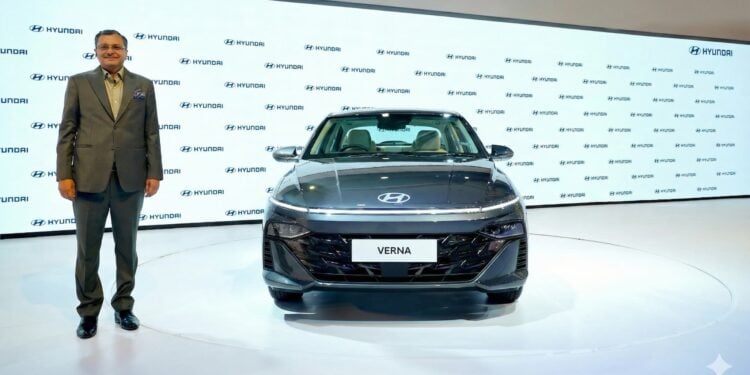
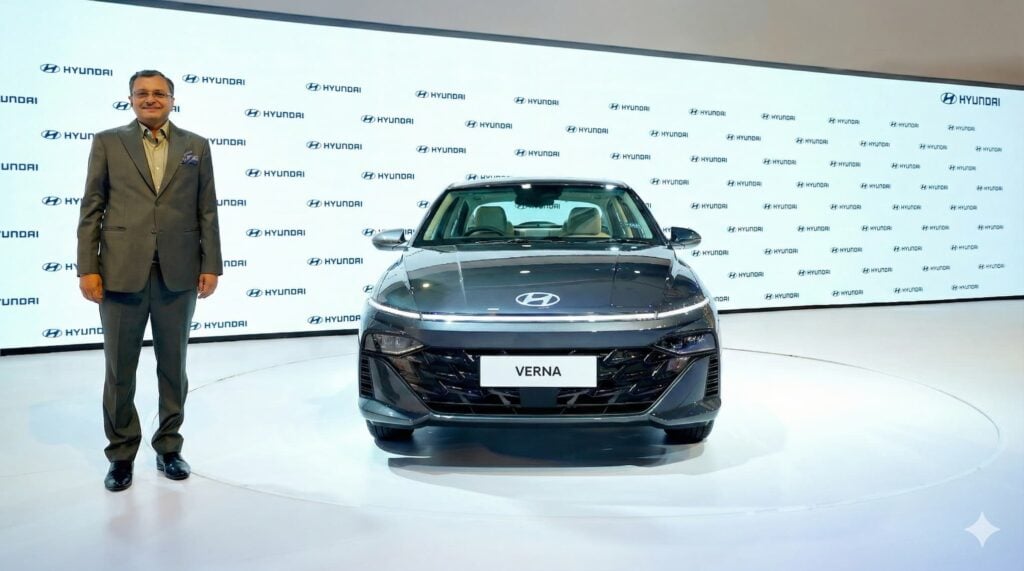
In a historic shift for the country’s second-largest carmaker, Hyundai Motor India Limited (HMIL) has appointed Tarun Garg as its new Managing Director and Chief Executive Officer, effective January 1, 2026.
While leadership changes are routine, this move signals a deeper strategic pivot. For the first time in its nearly three-decade history in India, Hyundai is handing the reins to an Indian national at the MD level. This transition is not merely administrative; it is the keystone of a massive ₹45,000 crore investment roadmap designed to defend Hyundai’s market share against stiff domestic competition.
The appointment was cleared by shareholders with a decisive 99.75% vote, following board approval in October 2025. Current MD Unsoo Kim will return to Hyundai Motor Company in South Korea for a strategic role, ensuring a planned and stable handover.
Why Local Leadership Matters Now
The decision to elevate Tarun Garg—currently the Whole-time Director and COO—stems from a need to navigate an increasingly complex Indian market.
- Consumer Pulse: Hyundai is betting that a leader deeply embedded in day-to-day Indian operations can better respond to rapid shifts in local buying patterns and price sensitivity.
- Market Defense: The appointment comes as Hyundai faces a crowded marketplace, particularly in the SUV sector where buyers are demanding more powertrain choices and features within specific price bands.
The ₹45,000 Crore Roadmap (FY30)
Under this new leadership, Hyundai’s parent company has committed ₹45,000 crore through FY30. This capital is directed toward product development, localisation, and capacity upgrades.
1. Aggressive Product Offensive
Hyundai has outlined a “busy product calendar” that includes 26 product launches by FY30.
- New Nameplates: The plan includes seven entirely new nameplates, signaling entry into segments where Hyundai currently has no presence.
- Key New Segments:
- MPV: A family-focused Multi-Purpose Vehicle to capture demand from three-row buyers who prioritize space over SUV styling.
- Off-Road SUV: A lifestyle model prioritizing “stance and ability” to compete in the growing off-road niche.
2. The Hybrid Pivot
Acknowledging that full electrification is a gradual process, Hyundai is preparing to introduce hybrid powertrains in India. This strategy targets buyers who want efficiency but are hesitant about EV charging access.
Beyond Mass Market: Luxury and Finance
The strategic roadmap extends beyond selling family cars, targeting both the top and bottom of the buying funnel.
- Luxury Entry (Genesis): Hyundai’s global luxury brand, Genesis, is slated to enter India via local assembly by 2027. This will place Hyundai in direct competition with premium European heritage brands.
- Captive Finance: Hyundai Capital, the group’s sales finance arm, is expected to launch in India by the second quarter of 2026. This move allows the company to control loan offers and approval speeds, a critical lever in influencing buying decisions.
Frequently Asked Questions (FAQs)
Q: Who is the new CEO of Hyundai India? A: Tarun Garg has been appointed as the new Managing Director and CEO. He is the first Indian national to hold this position in the company’s history in India.
Q: When does the new leadership take charge? A: The appointment is effective from January 1, 2026.
Q: What is Hyundai’s investment plan for India? A: Hyundai’s parent company plans to invest ₹45,000 crore in India through FY30 to fund product development, capacity upgrades, and electrification.
Q: Is Hyundai launching a hybrid car in India? A: Yes. As part of its wider strategy, Hyundai is preparing to introduce hybrid powertrains to offer a middle ground between petrol and full electric vehicles.
Q: Will Hyundai launch a luxury car brand? A: Yes. Hyundai’s luxury brand, Genesis, is scheduled to enter the Indian market with locally assembled products by 2027.
Q: What new types of vehicles is Hyundai planning? A: Aside from refreshing existing models, Hyundai plans to launch an MPV (Multi-Purpose Vehicle) and an off-road capable SUV as part of seven new nameplates by 2030.
You can add more to this story by commenting below.