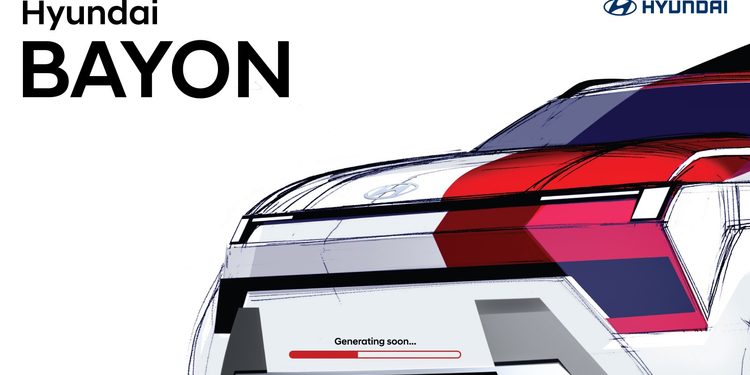
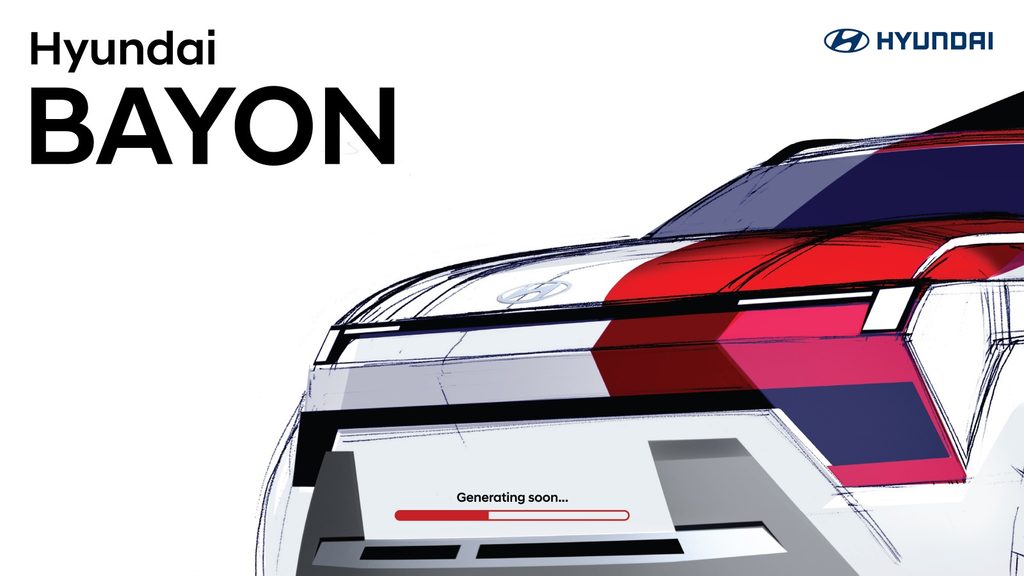
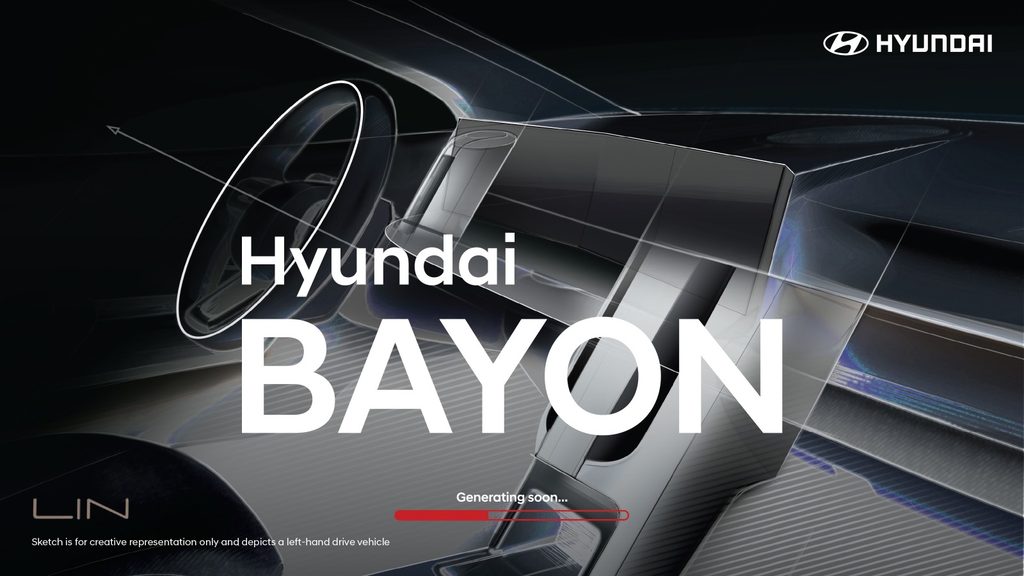
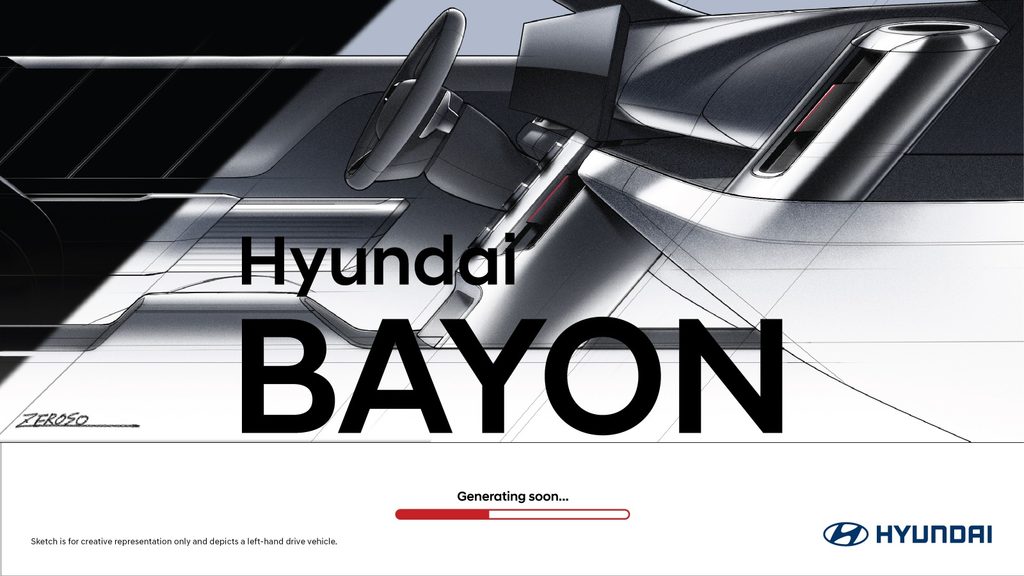
Hyundai India has officially unveiled the first design sketches of its upcoming intelligent utility vehicle, the Hyundai BAYON, offering a glimpse into a bold new design character tailored for modern urban lifestyles. The sketches showcase an aggressive, high-tech exterior profile that breaks away from traditional crossover styling conventions. For more context on the vehicle’s initial announcement and the inspiration behind its unique name, you can read our previous coverage outlining how the Hyundai Bayon name is confirmed for Hyundai’s upcoming intelligent SUV.
Here are some popular questions related to the new Hyundai Bayon SUV:
The front profile of the Hyundai Bayon looks exactly like an electric vehicle. Is it actually an EV?
No, despite its highly futuristic, closed-loop appearance, the Hyundai Bayon is not a fully electric vehicle (EV). It is a traditional internal combustion engine (ICE) utility vehicle. The EV-centric design confusion stems from Hyundai’s modern “Art of Steel” styling direction. This language borrows heavily from the clean, seamless aesthetic lines popularized by next-generation electric vehicles to give its petrol-powered fleet a high-tech edge.
Why does the front grille look blocked off if it has a petrol engine underneath?
Traditional cars rely on massive open grilles for direct radiator cooling, but modern aerodynamics are changing that rule. The front sketch of the Bayon showcases a highly sculpted, minimalist grille area that prioritizes aerodynamic efficiency and drag reduction—traits usually reserved for EVs. Air intake is intelligently routed through robust lower body elements and hidden bumper vents, allowing the upper fascia to remain clean, sleek, and strikingly modern.
What exactly is the “H-Edge” lighting mentioned by Hyundai designers?
The H-Edge lighting signature is a cornerstone of the Bayon’s identity. Instead of standard cluster headlamps, this setup utilizes razor-thin, geometric LED daytime running lights that map out a distinctive “H” pattern across the front corners of the vehicle. This lighting architecture visually anchors the car’s width, emphasizes its bold stance, and serves as a premium, instant identifier on the road.
What kind of powertrains can buyers actually expect under the hood?
While it looks ready for a charging plug, the upcoming Bayon will rely on practical, everyday performance. The crossover is expected to feature a 1.5-litre naturally aspirated petrol engine with manual and automatic (CVT) options. To offer alternative fuel efficiency without going fully electric, Hyundai is also preparing a factory-fitted CNG option, making it a highly versatile urban commuter.
Can I see some official photos of all new Hyundai Bayon SUV?
Here we go, check out these official design sketch photos of Hyundai Bayon SUV:
Do you have questions? Let us know by commenting below.