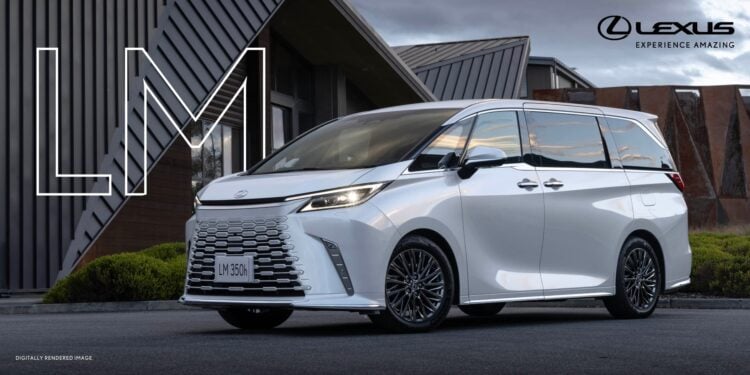
Lexus India has released its performance report for Calendar Year 2025, and as expected, it is a masterclass in selective transparency. While the brand is quick to celebrate “robust demand” and double-digit growth percentages, it remains suspiciously silent on the actual number of vehicles it managed to put on Indian roads. For a brand that claims to be “redefining luxury,” the refusal to share unit-wise sales data suggests that the absolute numbers might not be as “grand” as the marketing language implies.
The Flagship Illusion: LX and LM Growth
Lexus reports that its ultra-luxury “halo” models, the LX 500d and LM 350h, saw a combined 50% year-on-year growth. On the surface, this sounds impressive. However, when you consider that these two models together only account for 19% of overall sales, it becomes clear that their contribution to the brand’s volume remains marginal.
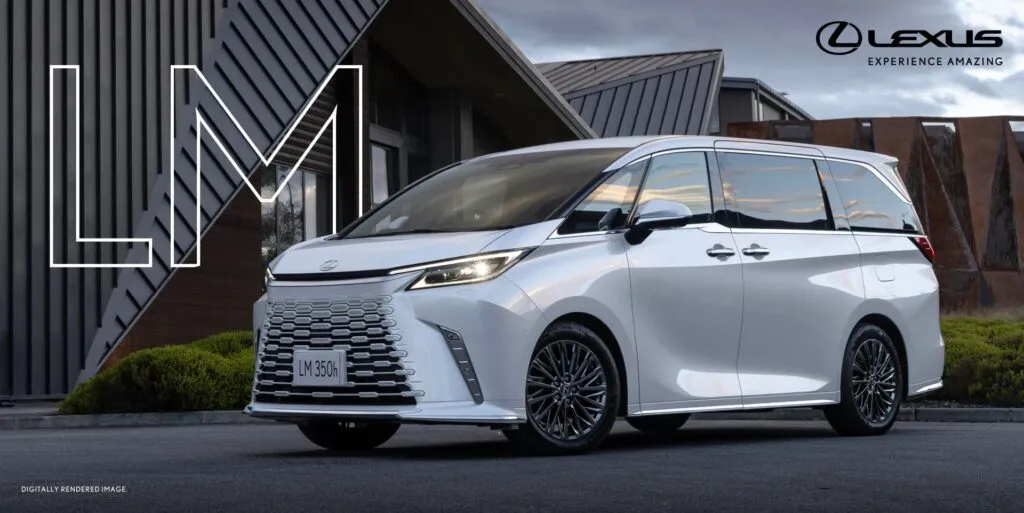
The LM 350h, marketed as a “meticulously crafted masterpiece,” caters to a very narrow niche of high-net-worth individuals. While Lexus highlights its “unparalleled grandeur,” critics and enthusiasts often point out that the LM is essentially a luxury minivan in a market that is overwhelmingly dominated by SUVs. Furthermore, the vehicle’s polarizing design—specifically the massive spindle grille—continues to be a point of contention for those who prefer the understated elegance of traditional European luxury.
The RX: A Key Driver or a Default Choice?
The Lexus RX recorded 18% growth in 2025, contributing 22% to total sales. While Lexus frames this as “strong market acceptance,” one has to wonder if this growth is driven by genuine preference or simply a lack of better hybrid options in the mid-size luxury SUV segment. Despite its role in expanding the brand’s footprint, the RX still faces stiff competition from established German rivals that offer more aggressive performance and a wider service network.
Missing Numbers and “Signature” Benefits
The press release emphasizes the “Lexus Luxury Care” package, including an 8-year vehicle warranty and 5-year Roadside Assistance. While these perks are designed to provide “unparalleled peace of mind,” they also serve as a necessary cushion for buyers who are understandably wary of the high maintenance costs associated with completely built-up (CBU) imports.
Lexus’s most popular model remains the ES 300h, their first locally produced vehicle. The fact that the locally assembled sedan continues to lead sales suggests that the high price tags of their flagship CBU models (like the LX and LM) remain a significant barrier for most luxury buyers in India.
Frequently Asked Questions
What was the best-selling Lexus model in India for 2025? While Lexus does not provide exact unit counts, the ES 300h continues to be the most popular model in their lineup, likely due to its local production and more competitive pricing compared to the imported SUV models.
How much did the Lexus LM and LX contribute to 2025 sales? The flagship LM and LX models combined for a 50% year-on-year increase but only accounted for approximately 19% of total sales for the year.
Does Lexus India offer a warranty on its new vehicles? Yes, Lexus India provides an 8-year vehicle warranty, though this is subject to specific terms and conditions. They also offer 5-year Roadside Assistance.
What are the main growth drivers for Lexus in the SUV segment? The Lexus RX is a major driver, achieving 18% growth in 2025 and making up 22% of the brand’s total sales volume.
Why doesn’t Lexus India release its exact unit sales? Lexus India chooses to report its performance in percentage increases and contribution shares rather than total units sold, a common tactic for brands with lower absolute volume looking to highlight growth momentum.
You can add more to this story by commenting below.