The Launch of LEAF: A New Era for India’s Electric Vehicle Charging Infrastructure
The transition to electric mobility in India has taken a significant step forward with the introduction of a new industry consortium known as the Light Electric-Vehicle Acceleration Forum, or LEAF. This initiative has been strategically launched to support the development of a more integrated and interoperable charging ecosystem tailored specifically for electric two-wheelers and three-wheelers across the country. As electric mobility continues to gain traction, establishing a cohesive network is critical for sustained growth.
Inauguration and Founding Leadership
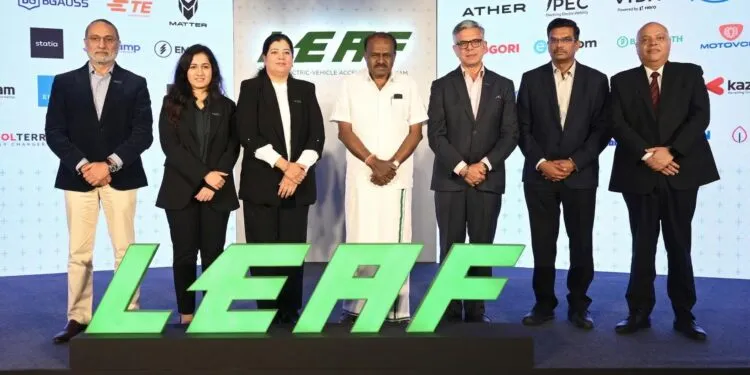
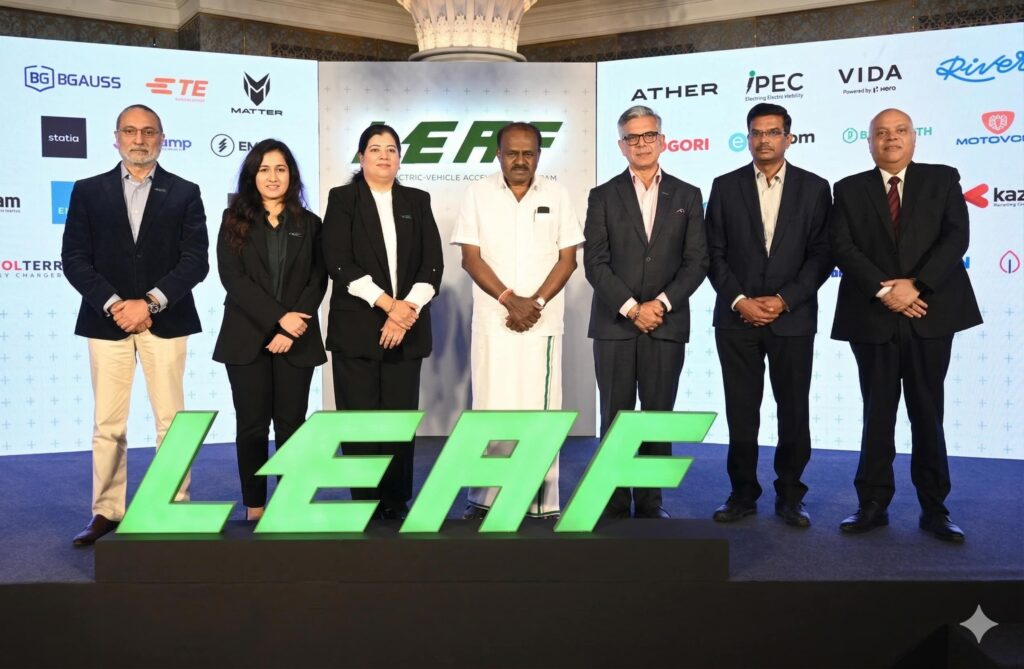
The formation of this consortium represents a major collaborative effort within the automotive sector. The forum was officially inaugurated by H. D. Kumaraswamy. The foundation of LEAF was solidified and established through a memorandum of understanding. The key entities involved in this founding agreement are Hero MotoCorp, Ather Energy, and IPEC India.
To guide the initial phases of this initiative, these founding members will take on leadership roles. Specifically, the founding members will form the initial steering committee of the consortium. This leadership structure is designed to ensure that the early strategic decisions align with the broader goals of the electric vehicle industry.
Unifying the LEV Ecosystem
A primary strength of LEAF is its comprehensive approach to industry collaboration. The forum successfully brings together a wide variety of stakeholders from across the light electric vehicle (LEV) ecosystem. This includes not just the manufacturers creating the vehicles, but also charging infrastructure operators, component suppliers, and technology providers. By integrating these diverse perspectives, LEAF can address infrastructure challenges from multiple angles.
The consortium is positioned as a heavily industry-led effort. The core focus of this effort is to actively address the ongoing challenges related to fragmented charging networks that currently exist in the market. By solving these fragmentation issues, the initiative aims to fundamentally support the broader adoption of electric mobility in India.
Policy Alignment and Future Expansion
Developing a robust infrastructure requires close coordination with regulatory frameworks. To this end, the consortium aims to work directly with government bodies, regulators, and various industry associations. The purpose of this collaboration is to facilitate the development of EV charging infrastructure that remains strictly in line with broader policy direction.
While the organization is starting with a focused steering committee, its vision includes broader industry participation. The consortium plans to expand its membership further in the coming months. This expansion is expected to bring more voices and resources into the fold, accelerating the development of a unified charging network for light electric vehicles.
Frequently Asked Questions (FAQs)
What does LEAF stand for in the context of the EV industry? LEAF stands for the Light Electric-Vehicle Acceleration Forum, which is a newly launched industry consortium designed to support a more integrated and interoperable charging ecosystem for electric two- and three-wheelers in India.
Who are the primary founding members of the LEAF consortium? The consortium was established through a memorandum of understanding between Hero MotoCorp, Ather Energy, and IPEC India. These founding members will also form the initial steering committee.
Who inaugurated the LEAF initiative? The Light Electric-Vehicle Acceleration Forum was officially inaugurated by H. D. Kumaraswamy.
What are the main objectives of LEAF? The forum’s primary objectives are to address challenges related to fragmented charging networks and to support the broader adoption of electric mobility in India. Additionally, it aims to work with government bodies and regulators to develop EV charging infrastructure in line with policy direction.
Will LEAF include other companies in the future? Yes, the consortium plans to expand its membership further in the coming months to include more stakeholders across the LEV ecosystem.
You can add more to this story by commenting below.