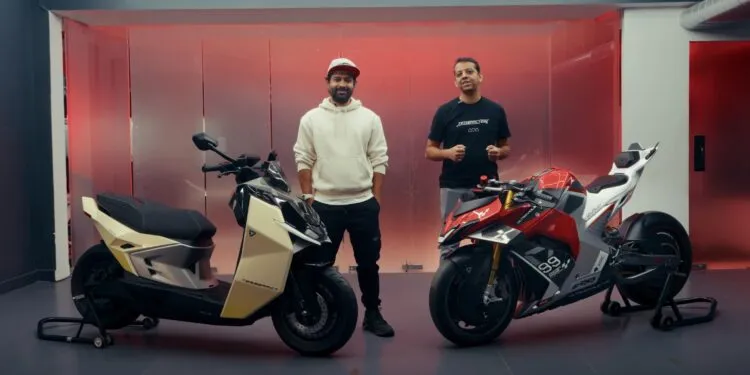
Ultraviolette Integrates 100V Architecture into Tesseract Scooter, Slates Launch for January 2027
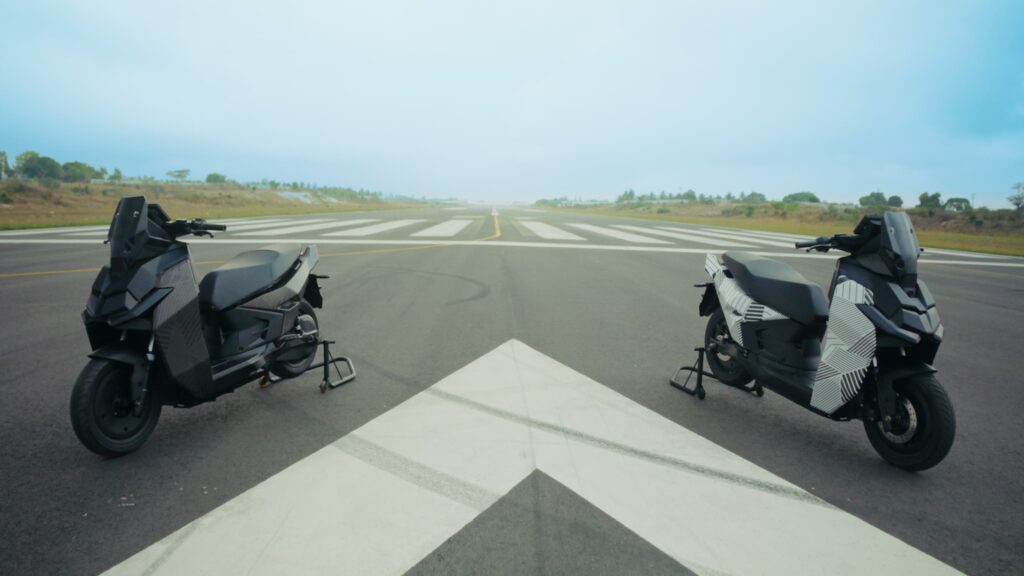
On May 27, 2026, Bengaluru-based Ultraviolette announced a strategic engineering shift for its upcoming Tesseract electric scooter, introducing India’s first 100V architecture for scooters. This technological evolution shifts the official market launch to January 2027. The extended timeline allows the manufacturer to finalize substantial gains in efficiency, long-term scalability, and rider ergonomics based on extensive real-world feedback.
Key Engineering Takeaways
- The scooter integrates a 100V architecture, resulting in a lighter and more compact motor controller, charger, and vehicle electronics.
- At 15kW, the Tesseract produces three times more power than the industry average.
- The new electrical system supports charging speeds twice as fast as the industry average.
- Ergonomic updates include an increased floorboard space and a larger seat.
The Powertrain Shift: Efficiency and Thermal Management
Ultraviolette, recognized for its aviation-infused design and as the first Indian electric manufacturer to secure European certification for its motorcycles, is pivoting the Tesseract platform to a higher voltage standard. The transition to a 100V system is engineered to improve overall system reliability and energy efficiency.
By adopting a higher voltage, Ultraviolette reduces the physical footprint of critical internal components. Beyond weight savings, riders will benefit from enhanced thermal efficiency, which allows the motor to maintain sustained power output under demanding riding conditions. The upgraded powertrain also enables a higher load-carrying capability, ensuring performance stability during heavy usage.
Ergonomic Enhancements Driven by Consumer Data
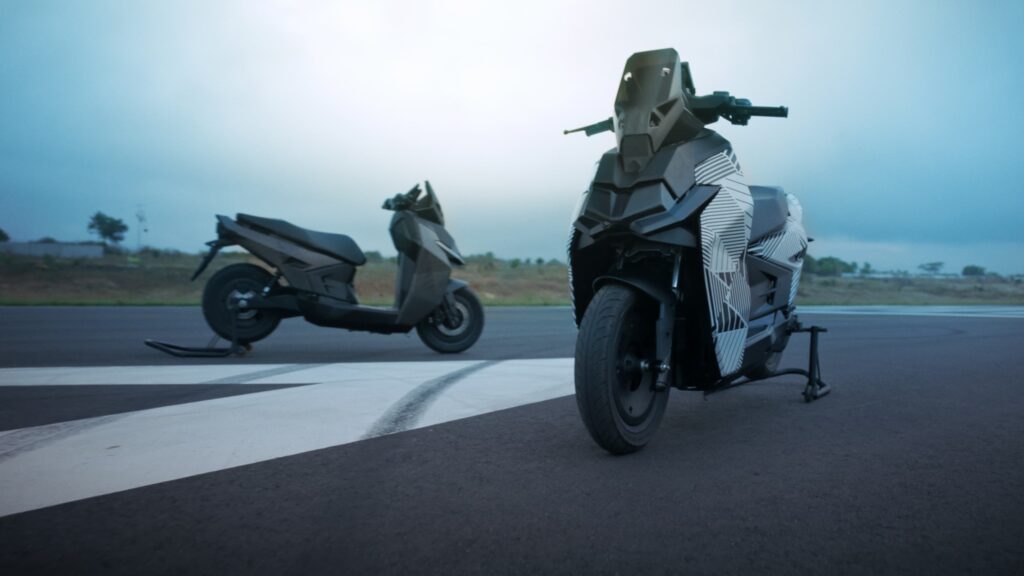
Prior to this structural overhaul, Ultraviolette conducted extensive nationwide roadshows, allowing thousands of prospective riders to interact with the Tesseract prototype and the company’s engineering teams in real-time. This direct consumer feedback proved pivotal in refining the product’s physical design. Based on these insights, Ultraviolette executed targeted improvements across the scooter’s practicality, comfort, and rider interface. Notably, the production model will be equipped with a physically larger seat and expanded floorboard space to better accommodate diverse rider profiles.
Executive Perspectives and Global Scalability
The decision to redesign the battery architecture and extend the development timeline aligns with Ultraviolette’s objective to build a future-ready platform. Backed by institutional investors including TVS Motors, Qualcomm Ventures, TDK Ventures, and Zoho Corporation, the company is positioning the Tesseract for both domestic and international markets. Ultraviolette currently exports its vehicles to 16 European countries, including Germany, the UK, Italy, and France, dictating strict compliance and performance benchmarks.
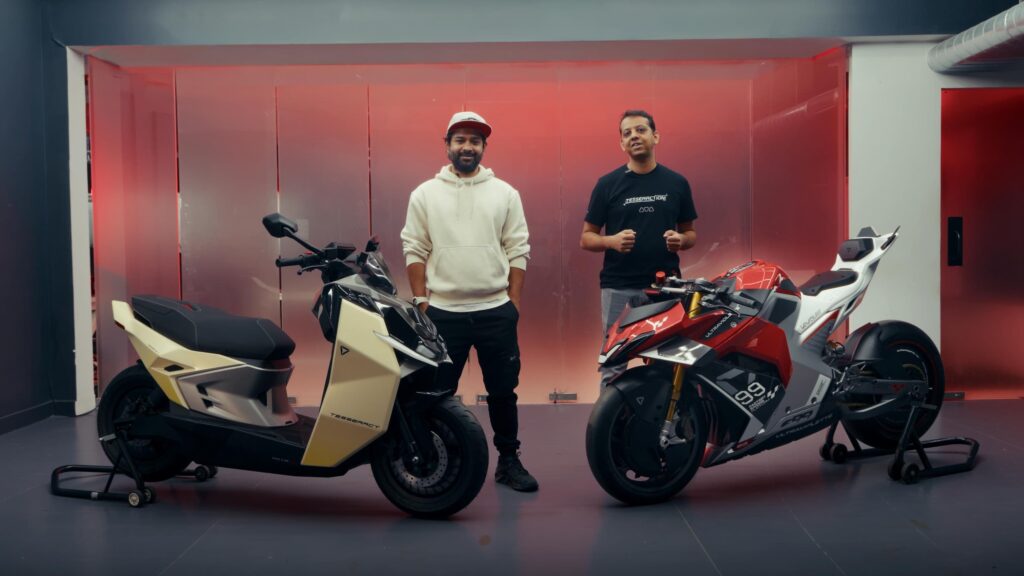
Narayan Subramaniam, CEO and Co-founder, noted the challenges of this development cycle: “As we pushed the platform further through development and validation, it became evident that achieving the benchmarks we had set for ourselves required additional engineering and refinement – especially on the ride ergonomics and radical redesign of the battery architecture”. Subramaniam emphasized that the delay ensures customers receive a product embodying the brand’s standard for technology and reliability.
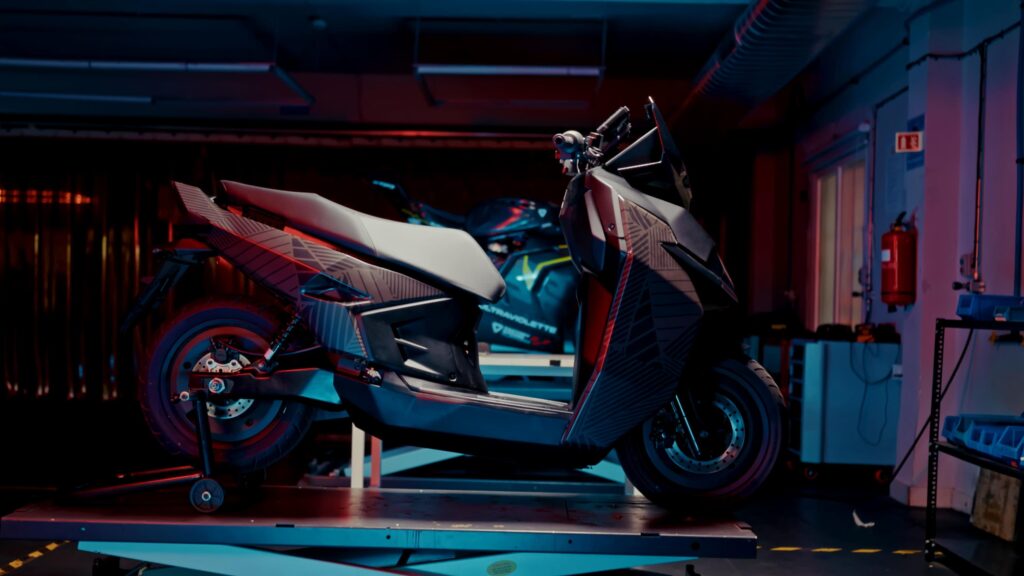
Niraj Rajmohan, CTO and Co-founder, reinforced that achieving the Tesseract’s initial performance promises required significant evolution. “The transition to a 100V architecture is a major step in that direction, enabling higher levels of power delivery, load carrying capability, and efficiency,” Rajmohan stated.
The Tesseract platform is currently undergoing rigorous real-world validation across multiple terrains, riding scenarios, and environmental conditions to secure operational stability prior to the January 2027 rollout.
Frequently Asked Questions (FAQs)
When will the Ultraviolette Tesseract be released?
The Ultraviolette Tesseract is scheduled to launch in January 2027. The release was delayed to allow engineers to upgrade the scooter to a 100V architecture and refine rider ergonomics.
What are the main performance specifications of the Tesseract?
The scooter operates on a 15kW powertrain, delivering three times more power than the industry average. It also features twice the standard charging speed and improved thermal efficiency for sustained performance.
Did Ultraviolette change the design of the Tesseract?
Yes. Following nationwide customer roadshows, the design team utilized real-time rider feedback to improve the scooter’s practicality and comfort. The finalized design includes an enlarged seat and increased floorboard space.
Why is the 100V architecture important for an electric scooter?
The 100V system provides enhanced energy efficiency and allows for more compact, lighter internal components, including the vehicle electronics and motor controller. It also directly improves the scooter’s load-carrying capacity and charging speeds.
You can add more to this story by commenting below.