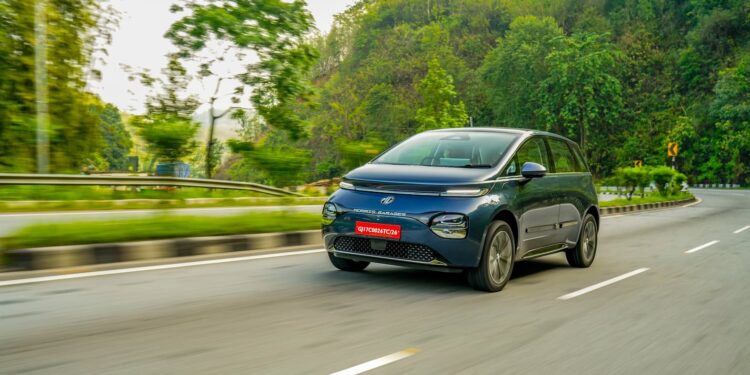
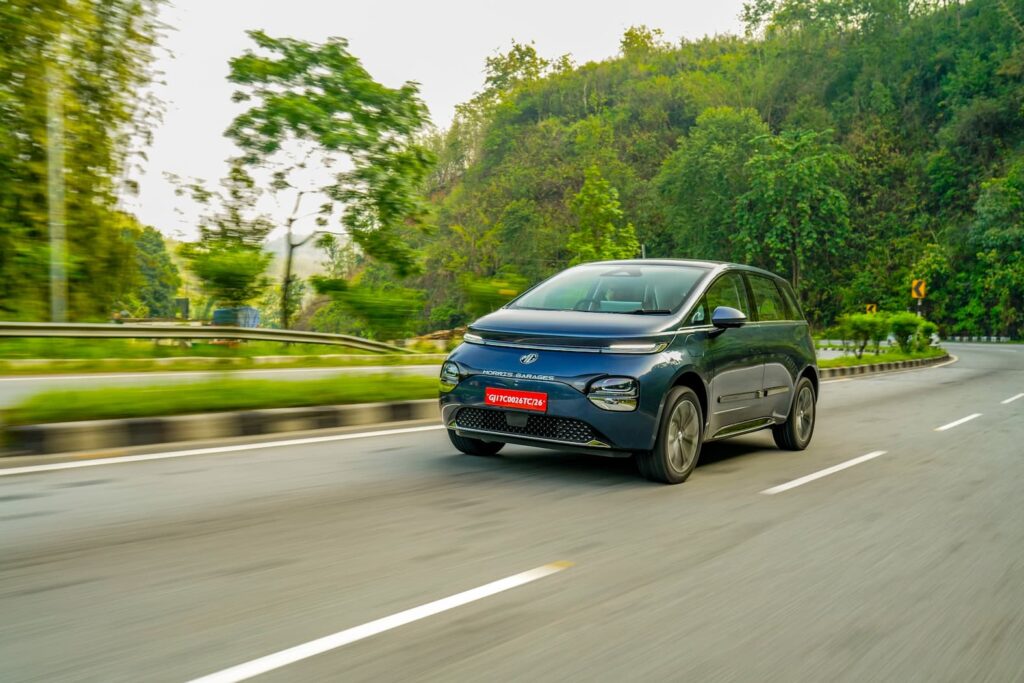
Electric vehicles are no longer just the future of Indian roads; they are dominating the present. In a shocking revelation from deep within this month’s data, over 75% of JSW MG Motor India’s total sales in June 2026 were purely electric vehicles. Rising fuel prices, lower EV running costs, and geopolitical uncertainties in West Asia have drastically accelerated customer preference for electric mobility. This paradigm shift highlights a June that shattered records across the board for major automakers in India.
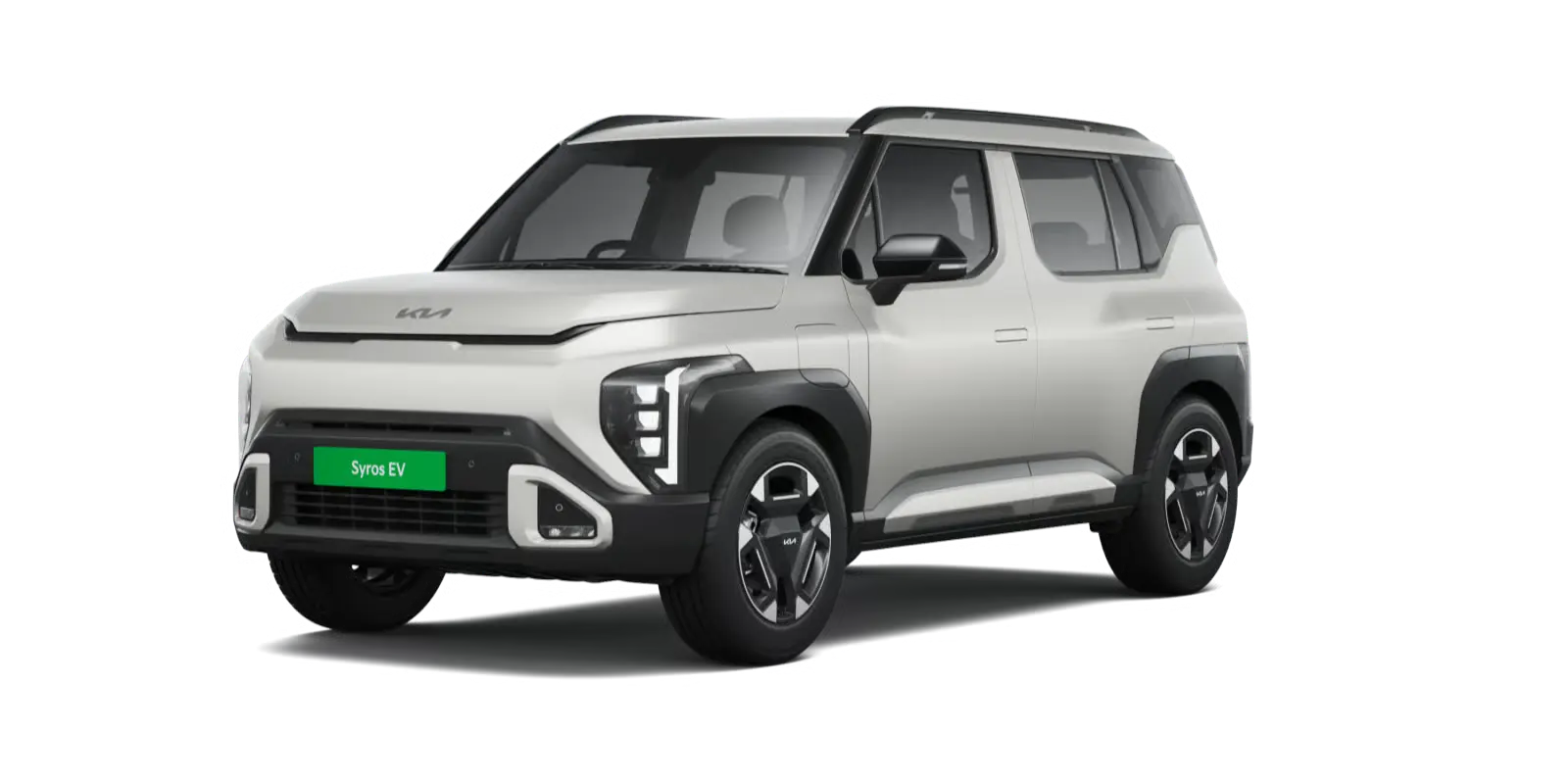
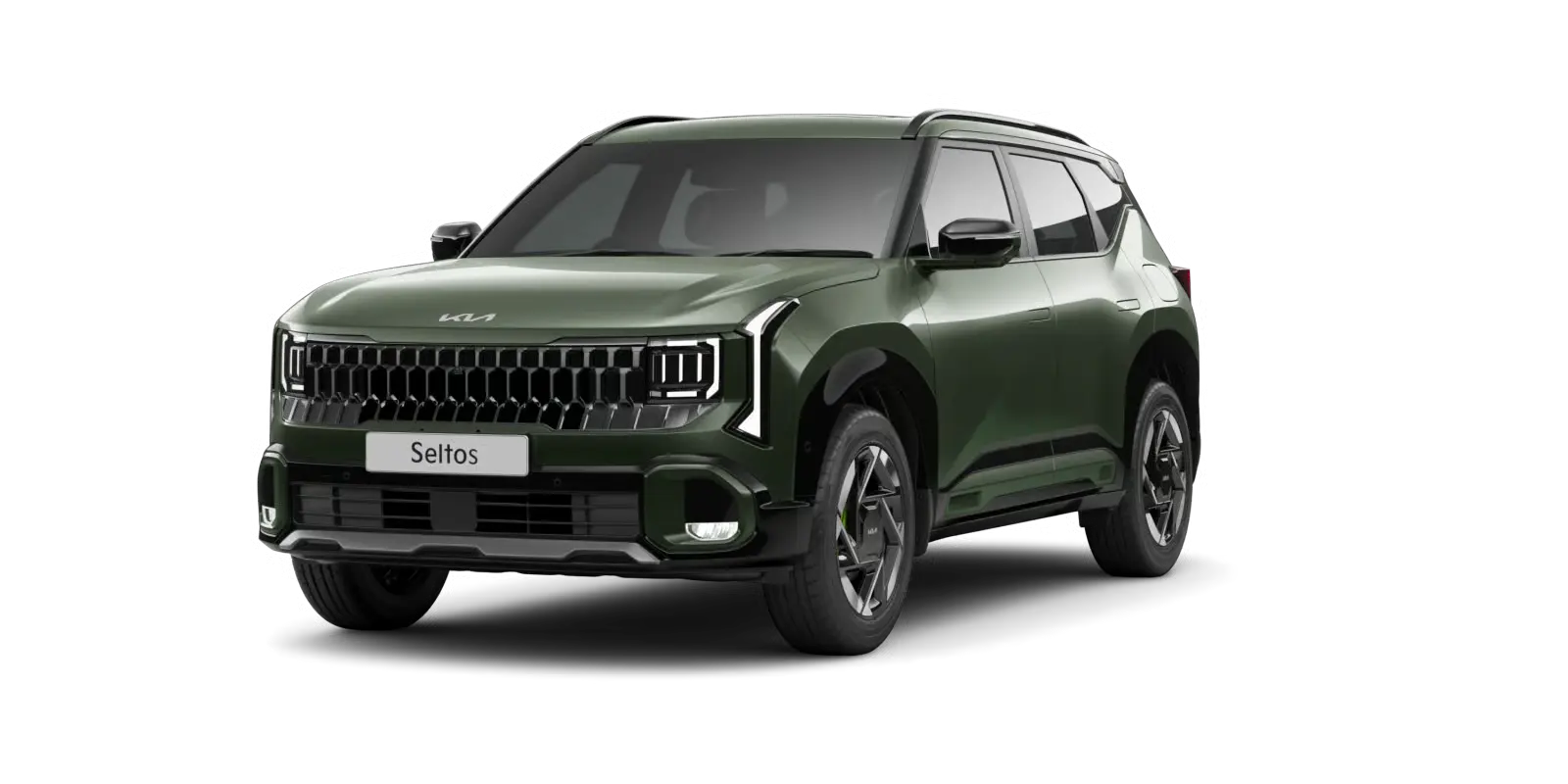
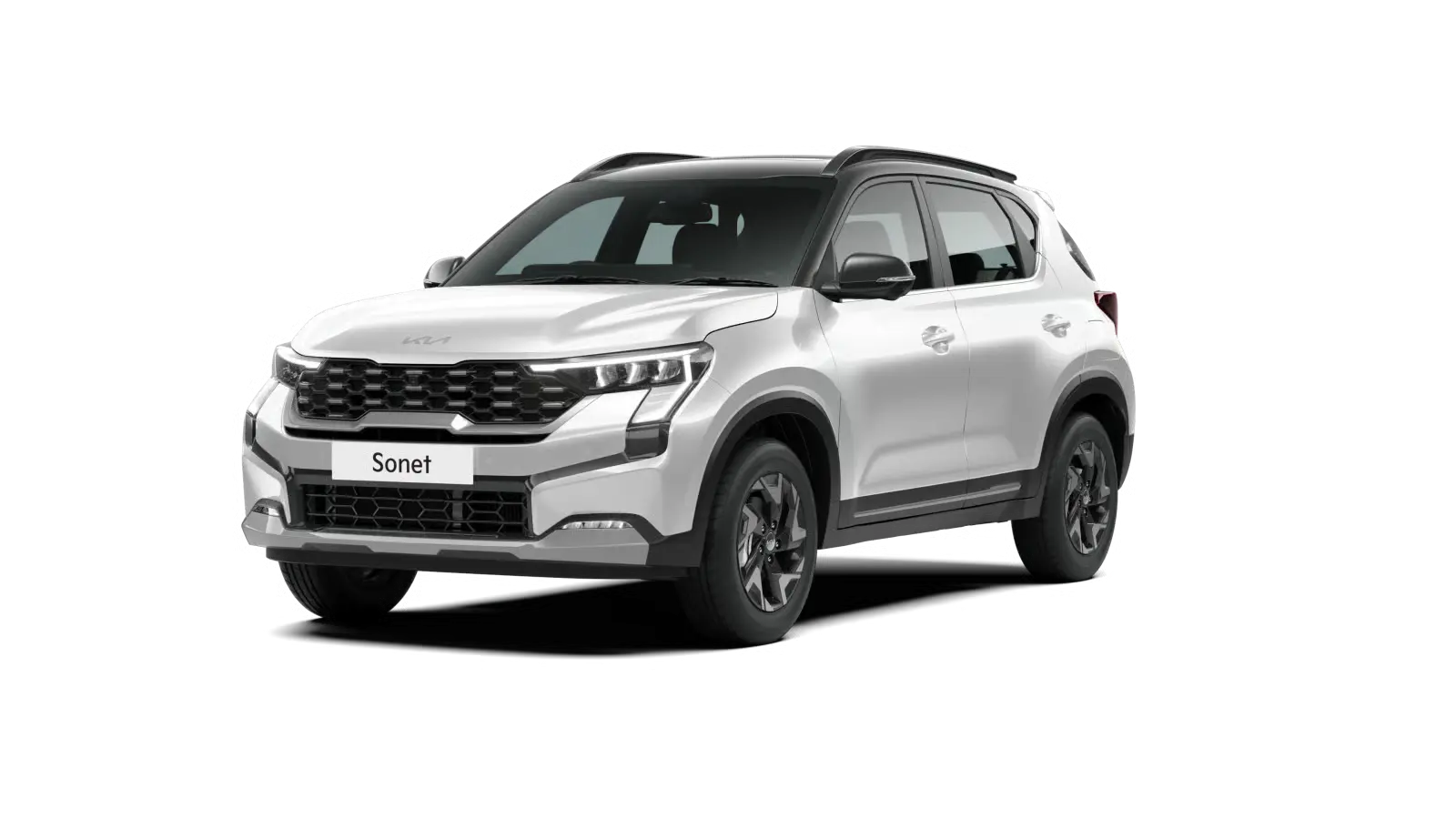
While MG rode the electric wave to a 30% year-on-year growth with 7,568 wholesale units, other brands saw explosive numbers across their diverse portfolios. Renault India reported a staggering 55% year-on-year increase in domestic wholesales, moving 4,063 units in June 2026. Meanwhile, Toyota Kirloskar Motor moved a massive 31,016 units during the month, reflecting a solid 7% growth compared to June 2025. Not to be outdone, Kia India registered its best-ever June wholesales since entering the market, dispatching 24,552 units for a 19% year-on-year growth.
Since we first started covering the pulse of the Indian automotive sector on GaadiKey, the transition from conventional internal combustion dominance to this era of rapid electrification and hybrid growth stands out as the most dramatic evolution in recent history. The first half (H1) of 2026 further proves this momentum. Toyota closed out H1 with 2,01,338 total units sold, marking a 15% growth over the previous year. Kia India dispatched 1,63,749 units during the same six-month period, registering a 15.2% growth. Renault’s H1 sales surged by an impressive 61% to reach 25,844 units.
Industry leaders are taking note of this sustained demand. Anurag Mehrotra, Managing Director of JSW MG Motor India, stated that their record performance reflects steady demand and an encouraging customer response to both their EV and ICE offerings. Over at Toyota, Sabari Manohar, Executive Vice President of Sales, attributed their positive momentum to customer-centricity and the strong appeal of the newly introduced Innova Crysta.
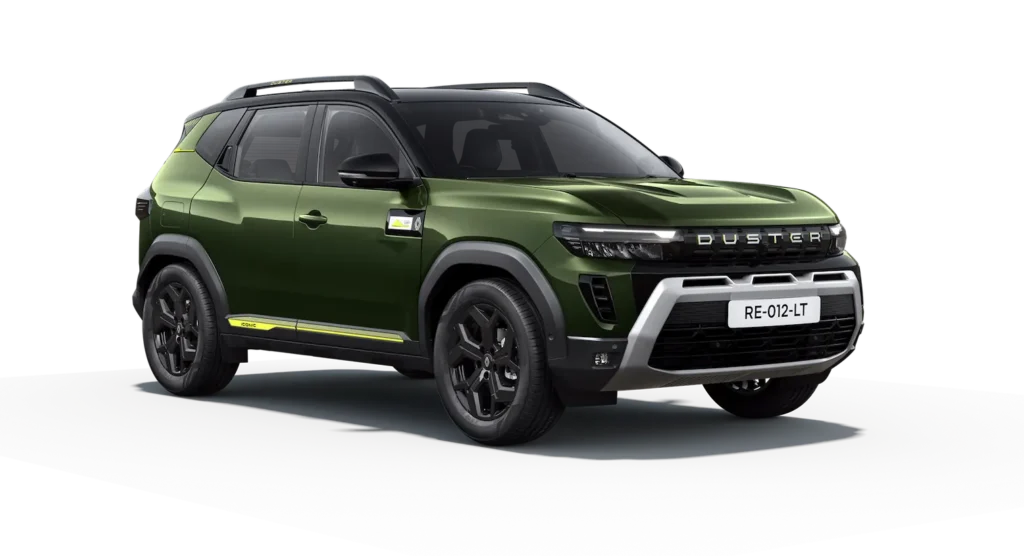
Beyond the numbers, June 2026 was a month of significant milestones and global expansions. Renault India commenced exports of the all-new Renault Duster, sending its first batch of 750 units to South Africa. JSW MG Motor India began deliveries of its flagship D+ segment SUV, the MG MAJESTOR. Meanwhile, Kia continues to push its Battery-as-a-Service (BaaS) program, driving positive customer responses for the Clavis EV.
June 2026 Sales Overview
| Manufacturer | June 2026 Sales | YoY Growth | Notable Milestone |
| Toyota | 31,016 units | 7% | Introduced New Innova Crysta |
| Kia | 24,552 units | 19% | Best-ever June wholesale volume |
| JSW MG | 7,568 units | 30% | EVs contributed over 75% of sales |
| Renault | 4,063 units (Domestic) | 55% | Commenced exports of all-new Duster |
Frequently Asked Questions
- Which brand saw the highest percentage growth in June 2026? Renault India saw the highest percentage growth in domestic wholesales for June 2026, reporting a 55% year-on-year increase.
- How much of MG’s sales were electric vehicles? Electric vehicles contributed over 75% of JSW MG Motor India’s total sales in June 2026.
- What was Toyota’s total sales volume in the first half of 2026? Toyota Kirloskar Motor sold a total of 2,01,338 units between January and June 2026, marking a 15% growth over the same period in 2025.
- Where is Renault exporting the new Duster? Renault India dispatched its first shipment of 750 units of the all-new Renault Duster to South Africa.
Industry Impact
The staggering wholesale numbers from June 2026 clearly indicate that the Indian automotive market is undergoing a fundamental transformation, driven heavily by alternative powertrains. With JSW MG Motor India reporting that over three-quarters of its monthly sales are electric vehicles, it is evident that consumer anxiety around EVs is rapidly dissipating. This shift is being fueled by pragmatic economic factors, such as rising fuel prices and significantly lower running costs for electric vehicles, alongside a broader push for sustainable mobility.
Furthermore, the robust double-digit growth across multiple brands highlights the success of maintaining a diversified portfolio. Companies like Kia and Toyota are reaping the rewards of balancing traditional internal combustion engine (ICE) vehicles, hybrid models, and new electric offerings. This balanced approach allows automakers to cater to evolving family mobility requirements while simultaneously tapping into the high-growth premium and electric segments, ensuring long-term resilience in a highly competitive market.
You can add more to this story by commenting below.