Ferrari Unveils the Luce: The First All-Electric, Four-Door Sports Car in Maranello History
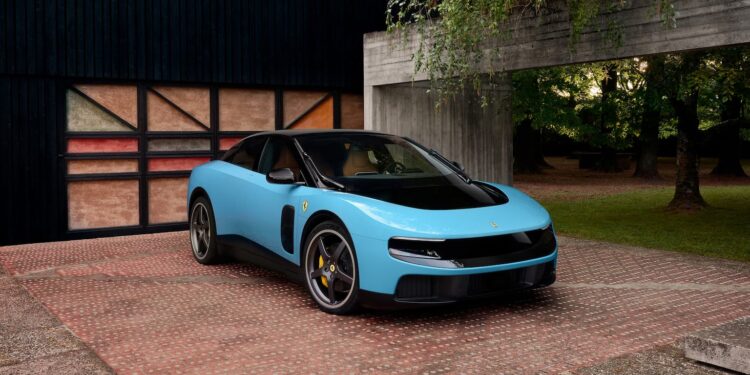
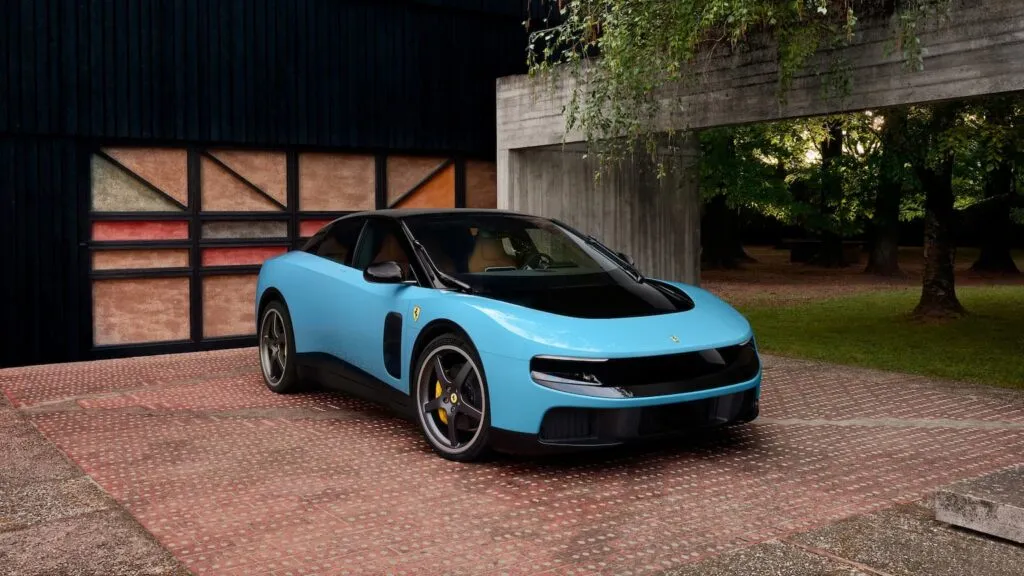
On May 26, 2026, in Rome at the Vela di Calatrava – Città dello Sport, Ferrari officially unveiled the Ferrari Luce. The vehicle marks the culmination of the Maranello marque’s multi-energy strategy and stands as the first fully electric sports car in the company’s history. Developed with a bespoke 800 V architecture, the Ferrari Luce integrates four independent electric motors, advanced vehicle dynamics, and a new five-seat, four-door layout.
Engineering and Powertrain Specifications
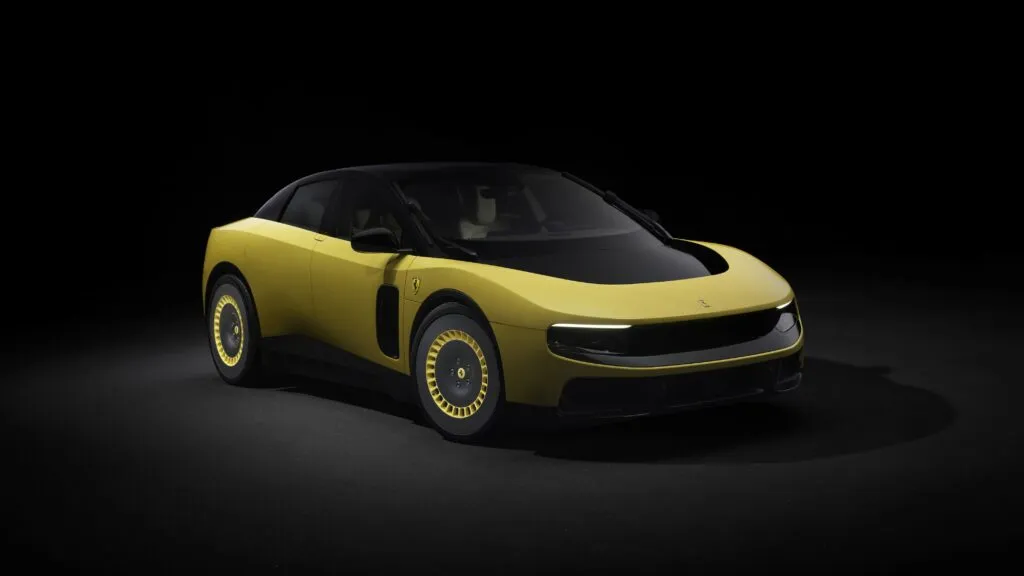
The Ferrari Luce is built upon a dedicated chassis designed specifically for its electric architecture. The powertrain utilizes four permanent magnet synchronous engines with radial flux, derived from the F80, allocating one motor to each wheel.
- The total system output is 1050 cv (772 kW) with a maximum wheel torque of 11500 Nm.
- The vehicle accelerates from 0 to 100 km/h in 2.5 seconds and reaches a top speed exceeding 310 km/h.
- Power is supplied by a 122 kWh battery pack integrated directly into the floorpan as a structural element.
- The system supports fast charging up to 350 kW and targets a driving range in excess of 530 km.
- Kerb weight is contained at 2260 kg through the use of hollow castings, extrusions, and recycled secondary-alloy aluminium.
To manage power delivery, Ferrari introduces the Vehicle Control Unit (VCU). This system centralizes powertrain and dynamics controls, updating targets 200 times per second and coordinating with the new Side Slip Control X.
Design and Interior Architecture
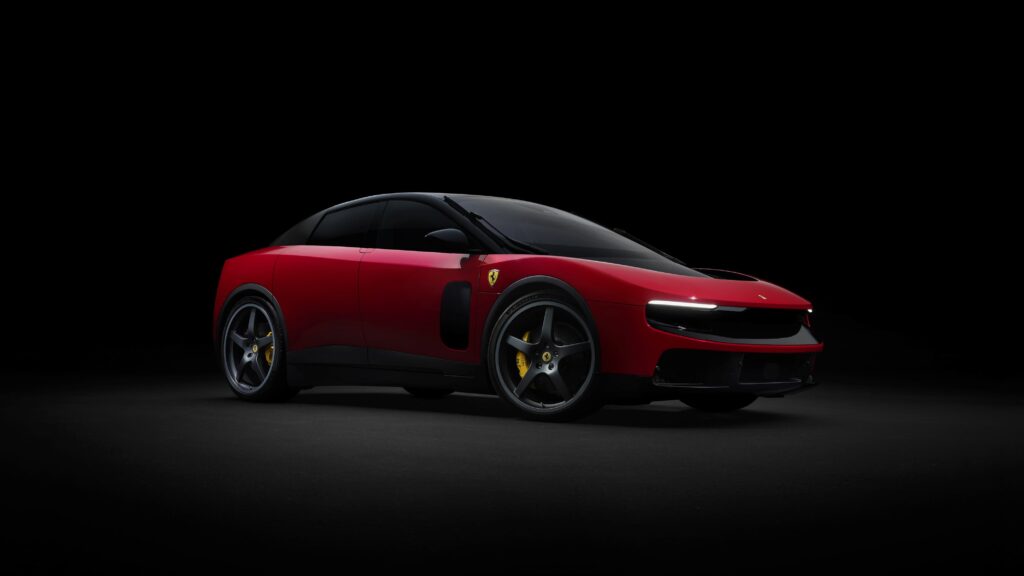
The design of the Ferrari Luce was developed through a collaboration between the Ferrari Design Studio, led by Flavio Manzoni, and the creative collective LoveFrom, founded by Sir Jony Ive and Marc Newson.
The electric drivetrain enables a new architectural layout that accommodates five seats and four doors, a configuration previously incompatible with Ferrari’s traditional transaxle layouts. The exterior features an uncompromised glass house that extends below the belt line, supported by floating front and rear aerodynamic wings that manage airflow and drag. Furthermore, the vehicle utilizes 23-inch front and 24-inch rear wheels, the largest staggered wheel diameters on a series-production Ferrari road car.
Internally, the cabin groups controls functionally using a combination of mechanical dials and digital displays developed with Samsung Display©. Materials include recycled anodized aluminium, Corning® Gorilla® Glass, and premium leather.
Driving Dynamics and Acoustic Authenticity
Ferrari engineers addressed the absence of an internal combustion engine by developing a patented acoustic system that rejects synthesized audio.
- A precision accelerometer mounted on the rear axle housing captures real-time physical vibrations generated by the rotating components and electric machines.
- This raw mechanical signal is filtered, equalized, and amplified into the cabin, providing functional, authentic feedback to the driver based on speed and torque.
Dynamic handling is managed via full torque vectoring across all four wheels. The Torque Shift Engagement system allows drivers to manually adjust power levels and engine braking utilizing steering wheel paddles, establishing a controlled progression of acceleration and deceleration specific to cornering conditions.
Executive Perspectives
The launch in Rome commemorates Ferrari’s first racing victory at the Baths of Caracalla circuit in 1947.
John Elkann, President of Ferrari, stated that the vehicle strengthens the company’s tradition of anticipating the future, noting, “Such a leap forward in product innovation could only have been achieved through process innovation; this is why we chose to embark on new collaborations, such as the one with LoveFrom for the design.”.
Benedetto Vigna, CEO of Ferrari, contextualized the release within the brand’s broader technological strategy: “In line with our belief in technological neutrality, we are the first in the world to combine fully electric, hybrid and combustion engine architectures for sports cars.”.
Frequently Asked Questions
What is the battery capacity and range of the Ferrari Luce?
The Ferrari Luce is equipped with a 122 kWh battery pack designed to deliver a range in excess of 530 kilometers. The 800 V architecture supports fast charging speeds up to 350 kW.
Does the Ferrari Luce use artificial or synthesized engine sounds?
No, the sound produced by the Ferrari Luce is entirely authentic and not synthesized. The vehicle uses a precision accelerometer to capture actual vibrations from the electric axles and rotating components, which are then filtered and amplified into the cabin to provide functional driving feedback.
How many electric motors power the Ferrari Luce?
The powertrain utilizes four independent electric motors, dedicating one to each wheel. This configuration allows for all-wheel drive and precise real-time torque vectoring across the front and rear axles.
How many passengers can the Ferrari Luce accommodate?
The Ferrari Luce accommodates five passengers. It features a four-door layout, a structural first for the brand made possible by the packaging advantages of its all-electric architecture.
You can add more to this story by commenting below.