The Global Restructuring: Rebuilding the Automobile Business
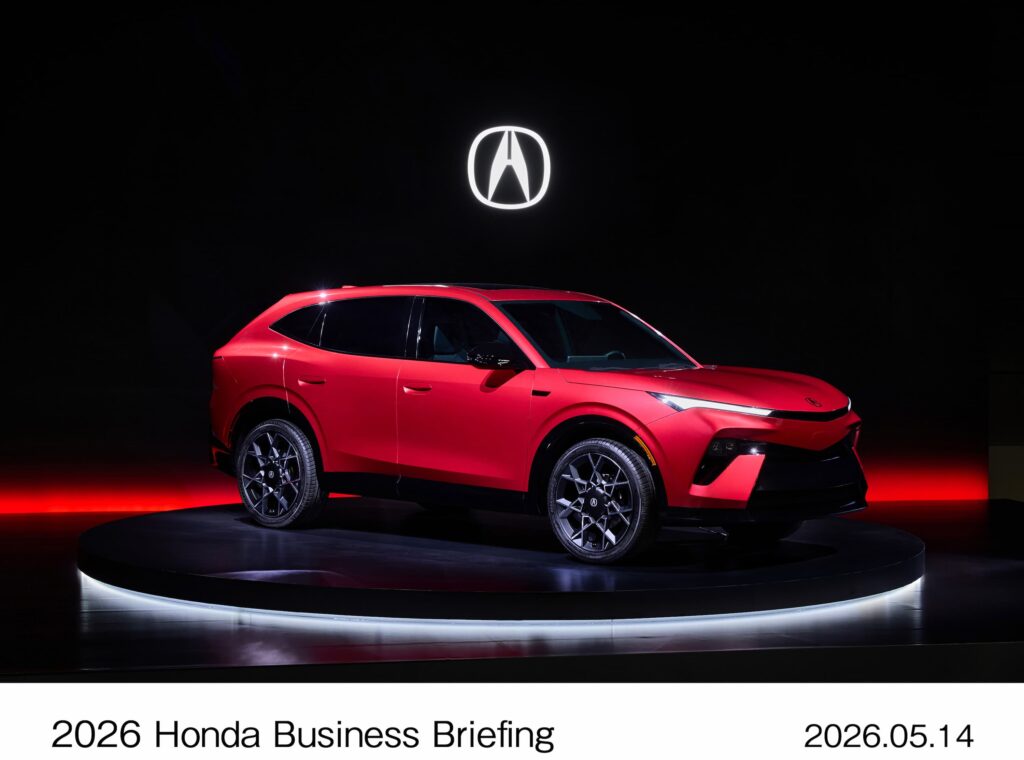
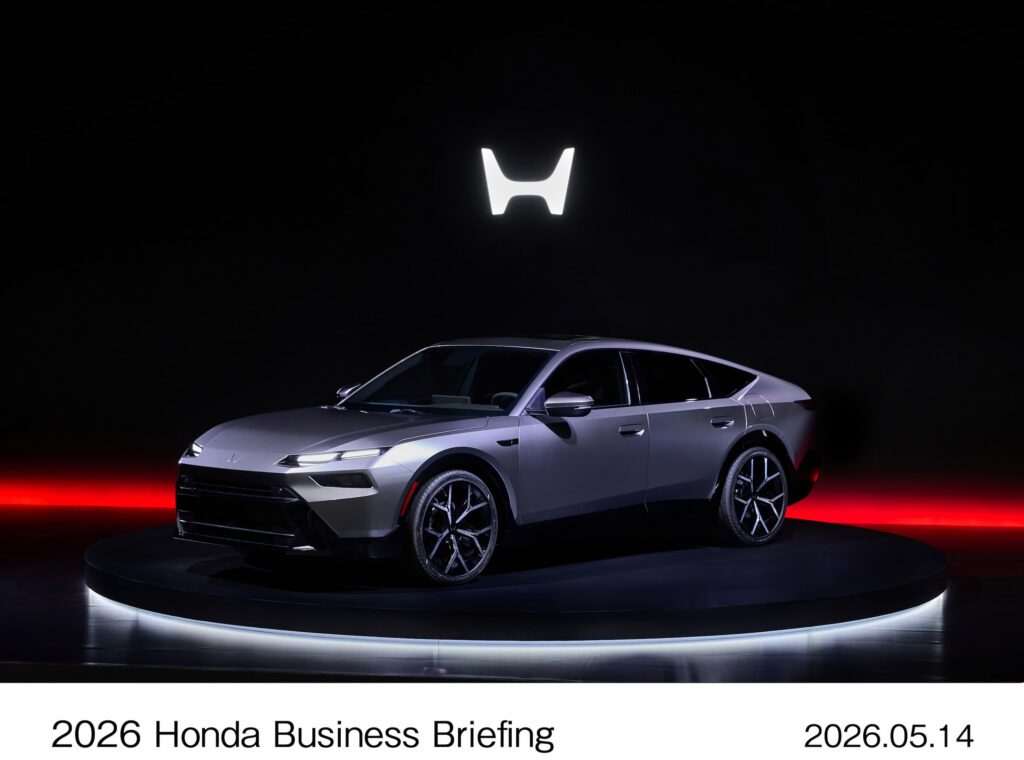
On May 14, 2026, Honda Motor Co., Ltd. Global CEO Toshihiro Mibe laid out a comprehensive business briefing aimed at completely rebuilding the automaker’s automobile business and securing mid- to long-term growth. In the face of intense competition and a shifting electric vehicle landscape, Honda is fundamentally realigning its corporate resources.
The strategy is ambitious. Over the next three years, Honda is focusing heavily on restructuring its automobile business structure. By integrating the continued growth of its highly profitable motorcycle and financial services businesses, Honda strives to achieve a consolidated operating profit of more than 1.4 trillion yen by the fiscal year ending March 31, 2029, which would set an all-time high for the company.
The automaker has identified three core pillars to drive this transformation:
- Strategic reallocation of corporate resources.
- Thorough strengthening of the manufacturing structure.
- Strategic utilization of external resources.
CEO Mibe summarized the core of the problem and the path forward during his speech:
“We believe that the key to restructuring our automobile business is to increase our competitiveness by 1) improving our cost structure, 2) increasing development efficiency, and 3) concentrating corporate resources in regions where we choose to take a more proactive approach and enhancing the lineup of compelling products.”.
The Powertrain Pivot: Hybrids Over Immediate EV Rollouts
While Honda remains committed to achieving carbon neutrality by 2050, the immediate timeline for electric vehicles has been pragmatically adjusted. The company announced the cancellation of three planned EV models in North America. CEO Mibe was clear to point out, “However, this is by no means an indication that Honda is withdrawing from EV business.”. Instead, Honda will control EV-related investments at approximately 0.8 trillion yen over the next three years , while indefinitely suspending its project to build a comprehensive EV value chain in Canada.
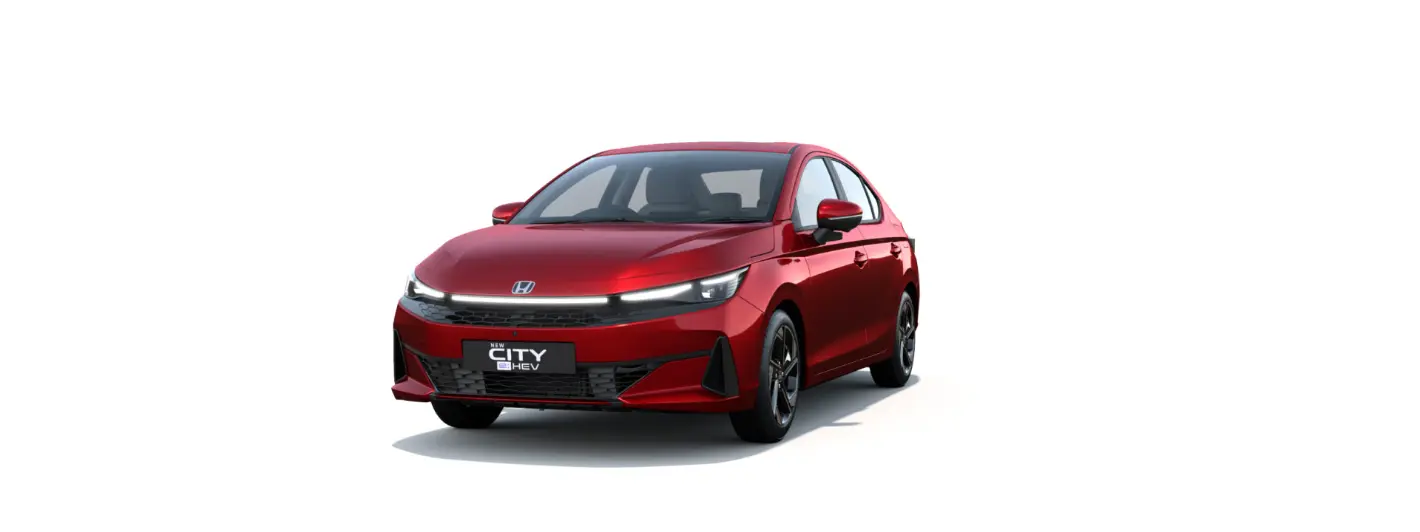
The immediate future belongs to the hybrid. Honda will reallocate development and production resources into hybrid models, which are currently experiencing high demand. Starting in 2027, the company will launch its next-generation hybrid models, which will feature both an all-new hybrid system and platform.
- Honda plans to launch 15 next-generation hybrid models globally by the end of the fiscal year ending March 31, 2030.
- The company aims to reduce the cost of this next-generation hybrid system by more than 30% compared to the 2023 iteration.
- By combining the new system with an electric AWD unit and next-generation platform, fuel economy is expected to improve by more than 10%.
India Takes Center Stage: A New Era for the Subcontinent
For Indian automotive enthusiasts and industry watchers, the May 2026 briefing is a watershed moment. Honda has officially designated India, along with North America and Japan, as a priority market for its future growth strategy.
CEO Mibe noted the unique potential of the Indian market, stating, “India is one of the few markets in the world where further expansion is expected in the future.”. Honda recognized that previously applying global performance specifications to Indian vehicles sometimes resulted in products that were excessive for the local market’s climate, usage patterns, and regulations.
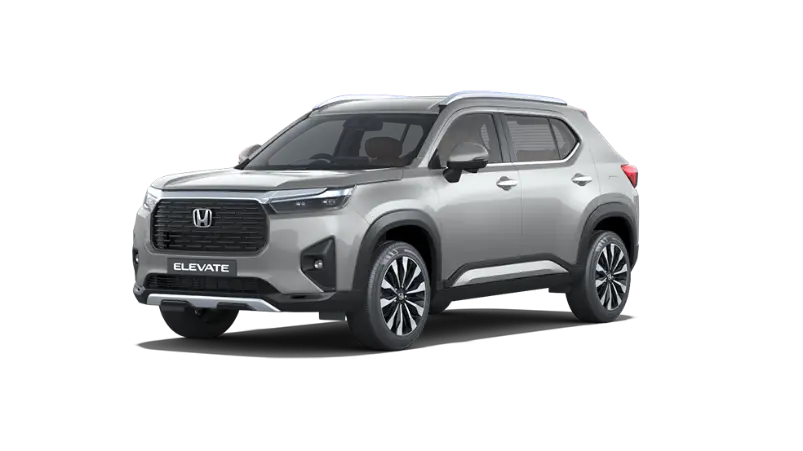
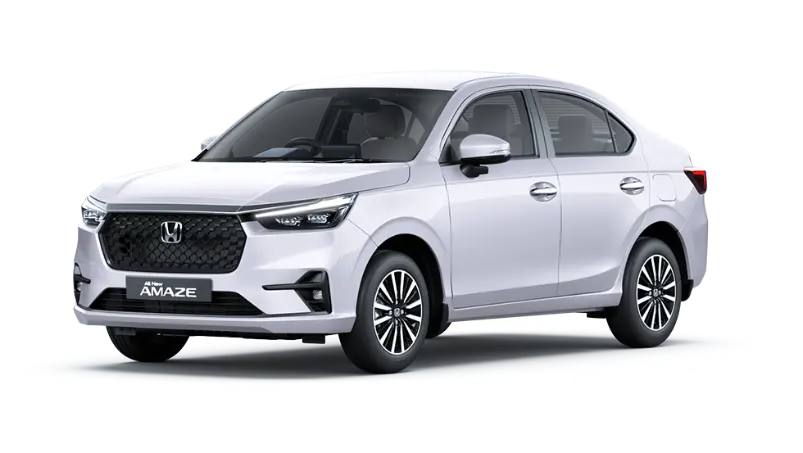
To correct this, Honda is redefining specifications to perfectly align with Indian customer preferences. This will culminate in a massive product rollout starting in 2028, featuring strategic models tailored for India in two highly competitive categories:
- Vehicles under 4 meters in length (the largest volume category in India).
- The mid-size vehicle category.
Honda’s secret weapon in India is its staggering motorcycle footprint. Honda sells nearly 6 million motorcycles annually in India , boasting the largest units-in-operation and sales network among all its global markets. Honda plans to heavily leverage this to capture “step-up demand” as customers upgrade from motorcycles to automobiles.
To keep pace with the world’s largest motorcycle market, Honda is also expanding its annual motorcycle production capacity in India from 6.25 million units to approximately 8 million units by 2028. India will simultaneously continue to grow as an export hub for markets like Central and South America and the ASEAN region.
Furthermore, to expand sales opportunities, Honda’s new captive finance company in India is scheduled to become operational before the end of the fiscal year ending March 31, 2027.
The Digital Leap: Introducing Honda Digital Innovation India (HDII)
A vital piece of the India growth puzzle is the establishment of a brand-new digital platform company: Honda Digital Innovation India Private Ltd. (HDII).
Officially established on April 10, 2026, and headquartered in Bengaluru, Karnataka, HDII operates with a capital of 300 million Indian rupees and is a 100% subsidiary of Honda Motor Co., Ltd.. Led by CEO Toshiyuki Yanagisawa , HDII’s mandate is to create a seamless mobility ecosystem unique to Honda.
HDII will capitalize on the overwhelming volume of data and customer touchpoints Honda has amassed in India through its two-wheeler and four-wheeler businesses. By integrating these services digitally, HDII aims to connect Honda motorcycles and automobiles, offering services that support the entirety of people’s mobility in India. Additionally, HDII will collaborate with India’s globally recognized AI technologies and digital talent pools to co-develop new digital solutions.
Next-Generation Manufacturing: The “Triple Half” Approach
To combat emerging competitors globally, particularly from China, Honda is completely overhauling its engineering chain management through an initiative named the “Triple Half”.
Compared to 2025 levels, Honda aims to reduce three critical areas by exactly half:
- Development cost.
- Development timeframe.
- Development workload.
By utilizing AI technology and digital environments, the development timeframe for minor model changes will be halved starting this current fiscal year. For full model change products, the timeframe will be halved starting with development projects kicking off in 2028. Overall, Honda aims to improve production efficiency by approximately 20% over the next five years.
Honda 2026-2031 Strategic Roadmap
| Year | Strategic Milestone |
| 2026 | Establishment of Honda Digital Innovation India (HDII) in Bengaluru. Implementation of the “Triple Half” initiative to halve minor model change development timeframes. |
| 2027 | Launch of next-generation hybrid models featuring all-new systems and platforms begins. Captive finance company in India becomes operational before March 31. |
| 2028 | Introduction of strategic sub-4 meter and mid-size automobile models tailored for the Indian market. Indian motorcycle production capacity expands to 8 million units. Rollout of next-generation ADAS on more than 15 models begins. “Triple Half” applied to full model change projects. Launch of the N-BOX EV in Japan. |
| 2029 | Target to achieve an all-time high consolidated operating profit of more than 1.4 trillion yen by March 31. Large-size hybrid models (D-segment or above) launch in North America. |
| 2030 | Rollout of 15 next-generation hybrid models globally completed. |
| 2031 | Strive to realize long-standing Return on Invested Capital (ROIC) target of 10% by March 31. |
Frequently Asked Questions
Why is Honda cancelling electric vehicle models? Honda is not withdrawing from the EV business. However, it has cancelled the market introduction of three EV models in North America to flexibly adapt to market demands. The company is reallocating resources toward highly demanded hybrid vehicles , keeping EV-related investments controlled at approximately 0.8 trillion yen over the next three years while continuing research on technologies like all-solid-state batteries.
What new cars is Honda bringing to India? In 2028, Honda will begin introducing strategic models explicitly tailored to the Indian market’s preferences. This rollout will feature vehicles in the sub-4 meter category as well as the mid-size category.
What is Honda Digital Innovation India (HDII)? Established on April 10, 2026, in Bengaluru, HDII is a digital platform company created by Honda. Its primary goal is to merge digital services across Honda’s vast motorcycle and automobile customer base in India, creating a unique mobility ecosystem that enhances customer touchpoints and leverages local AI and digital talent.
What is the “Triple Half” initiative? The “Triple Half” is Honda’s aggressive new approach to manufacturing and engineering chain management. By utilizing AI and digital environments, Honda aims to reduce development cost, development timeframe, and development workload by half compared to 2025 levels.
You can add more to this story by commenting below.