HPCL and Tata Motors Launch Scalable Circular Economy Pilot for Used Automotive Lubricants
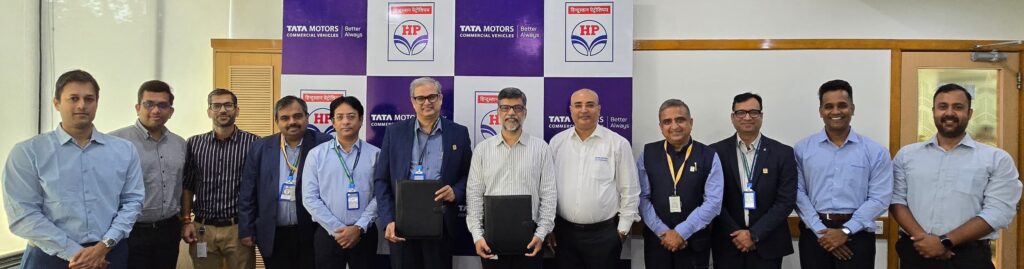
On May 28, 2026, in Bengaluru, Hindustan Petroleum Corporation Limited (HPCL) and Tata Motors officially signed a Memorandum of Understanding (MoU). This partnership initiates a structured pilot program aimed at the responsible collection and recycling of used automotive lubricants. By addressing the management of this hazardous waste, the initiative directly supports India’s evolving Extended Producer Responsibility (EPR) framework and broader circular economy objectives.
Establishing a Traceable System for Hazardous Waste Management
The core objective of this collaboration is to build an organized, traceable system that tracks used lubricants from their initial collection and storage through to the recycling phase. The end goal of this process is to convert the collected waste into high-quality re-refined base oil, significantly reducing environmental risks and improving overall resource efficiency.
The scale of this operation is supported by the established infrastructure of both entities. Tata Motors, recognized as India’s largest commercial vehicle manufacturer , will utilize its extensive network of over 4,500 sales and service touchpoints to ensure structured collection and responsible disposal practices across its ecosystem.
On the logistical side, HPCL—a Maharatna Oil Marketing Company holding approximately 20.27% of the Indian market share —will anchor the aggregation and transportation of these used lubricants. HPCL will utilize authorized collection mechanisms to guarantee the waste is channeled exclusively to registered recyclers.
Strategic Governance and Implementation
The pilot program is rolling out across select states. It operates under the direct governance of a joint committee composed of representatives from both HPCL and Tata Motors. This committee is strictly tasked with monitoring the progress of the collection networks and evaluating the model’s potential for scalability.
Leadership Perspectives on Resource Efficiency
Executive leadership from both organizations emphasized the critical need for this infrastructure to mitigate environmental impact and drive sustainable operations.
Mr. Ch Srinivas, Executive Director – Lubes, HPCL, outlined the operational goals, stating: “Achieving true circularity in used oil begins with reintegrating re-refined base oil into finished lubricants. Our collaboration with Tata Motors is a significant step towards building a scalable model for used oil circularity and reducing the carbon footprint across operations”.
Representing Tata Motors, Mr. Vikram Agrawal, Head – Parts and Services, highlighted the environmental stakes and the necessity of partnership: “Used automotive lubricant, if not handled responsibly, can cause longterm environmental harm. Addressing this challenge calls for credible partners, clear processes and the ability to operate at scale… With the combined strengths of both organisations, we believe this pilot can help establish a robust foundation for wider industry adoption”.
Key Actionable Takeaways
- Regulatory Alignment: The pilot model is explicitly designed to support compliance with India’s Extended Producer Responsibility (EPR) framework.
- Resource Conversion: Collected hazardous waste will be processed and converted into high-quality re-refined base oil.
- Infrastructure Utilization: Tata Motors leverages its 4,500+ touchpoints for structured collection, while HPCL anchors secure transportation to registered recyclers.
- Scalability Focus: A joint committee evaluates the pilot across select states to build a foundation for broader industry implementation.
Frequently Asked Questions
What is the primary goal of the HPCL and Tata Motors partnership?
The primary goal is to pilot a structured, scalable model for the responsible collection and recycling of used automotive lubricants, which supports India’s Extended Producer Responsibility (EPR) framework and circular economy goals.
How will the used automotive lubricants be processed?
The used lubricants, which are classified as hazardous waste, will be collected, stored, and recycled to be converted into high-quality re-refined base oil.
What specific roles do HPCL and Tata Motors play in this initiative?
Tata Motors will use its extensive authorized service network to enable structured collection and responsible disposal practices. HPCL will manage the aggregation and transportation via authorized collection mechanisms to ensure the waste reaches registered recyclers.
How is the pilot program governed and monitored?
The initiative is governed by a joint committee comprising representatives from both HPCL and Tata Motors, which monitors progress and evaluates the model’s scalability across select states.
You can add more to this story by commenting below.