India Goes Flex: Maruti WagonR Flex Fuel Launched; First Indian Car to Run on E100 to E20 Fuel
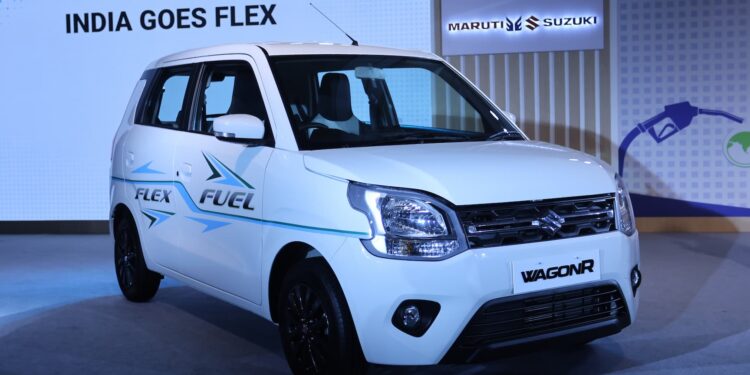
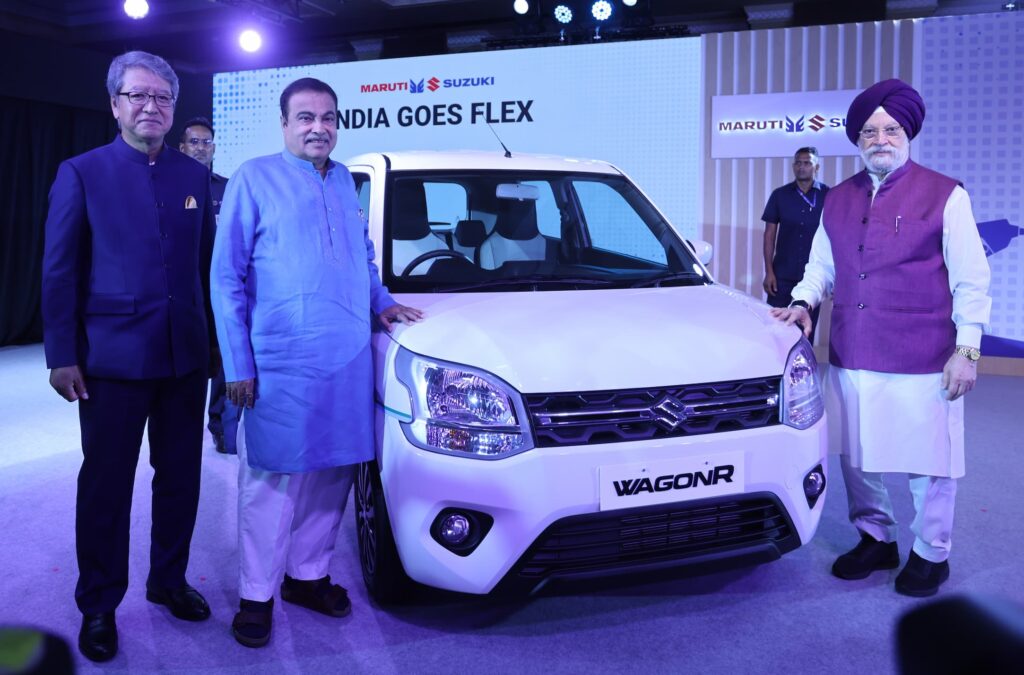
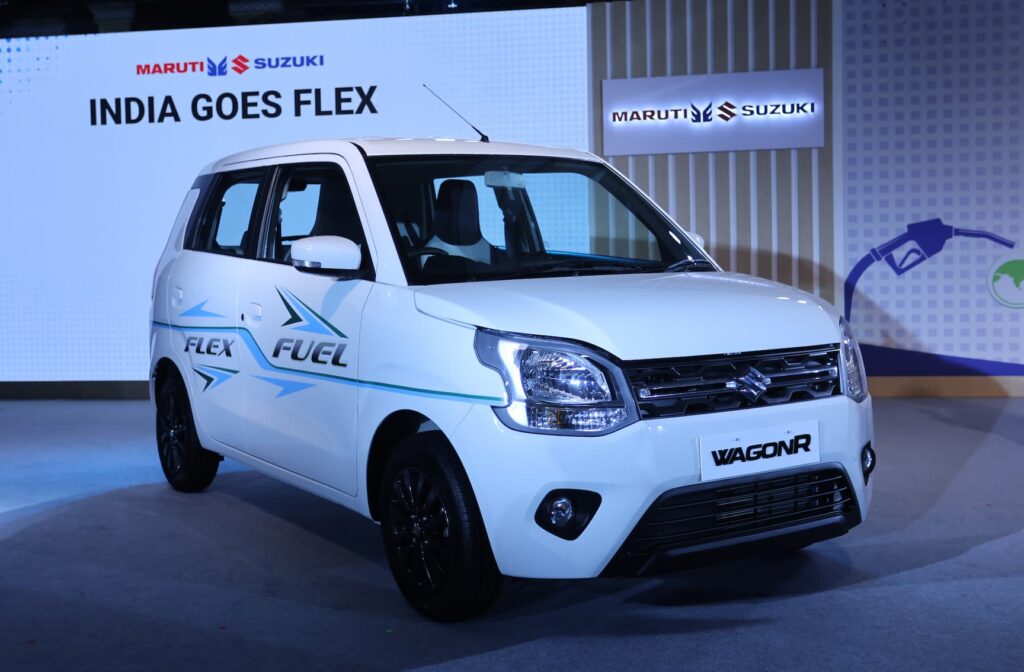
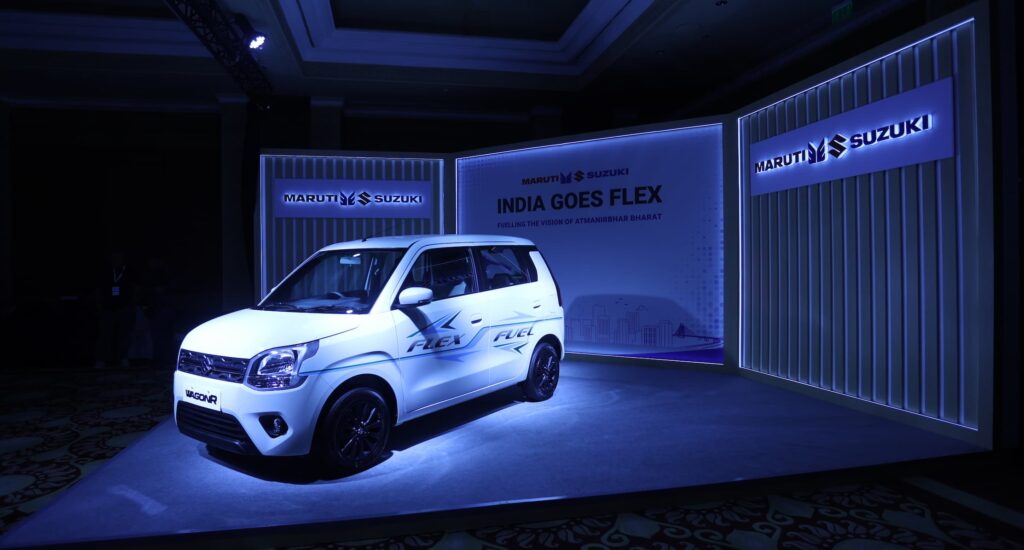
NEW DELHI, June 4, 2026 – On the eve of World Environment Day, Maruti Suzuki India Limited has officially ushered in a new era of sustainable mobility by launching India’s first flex-fuel car. The groundbreaking technology has been introduced in the country’s popular hatchback, debuting as the Maruti WagonR Flex Fuel.
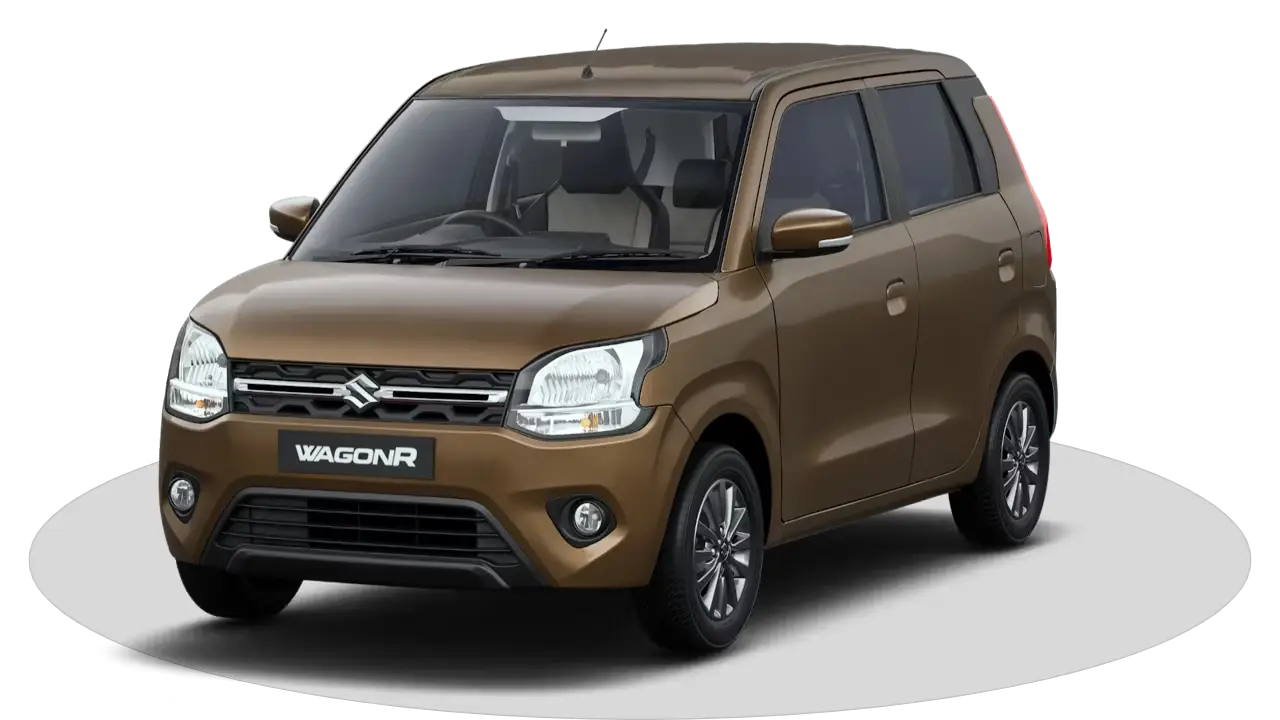
Maruti Wagon R
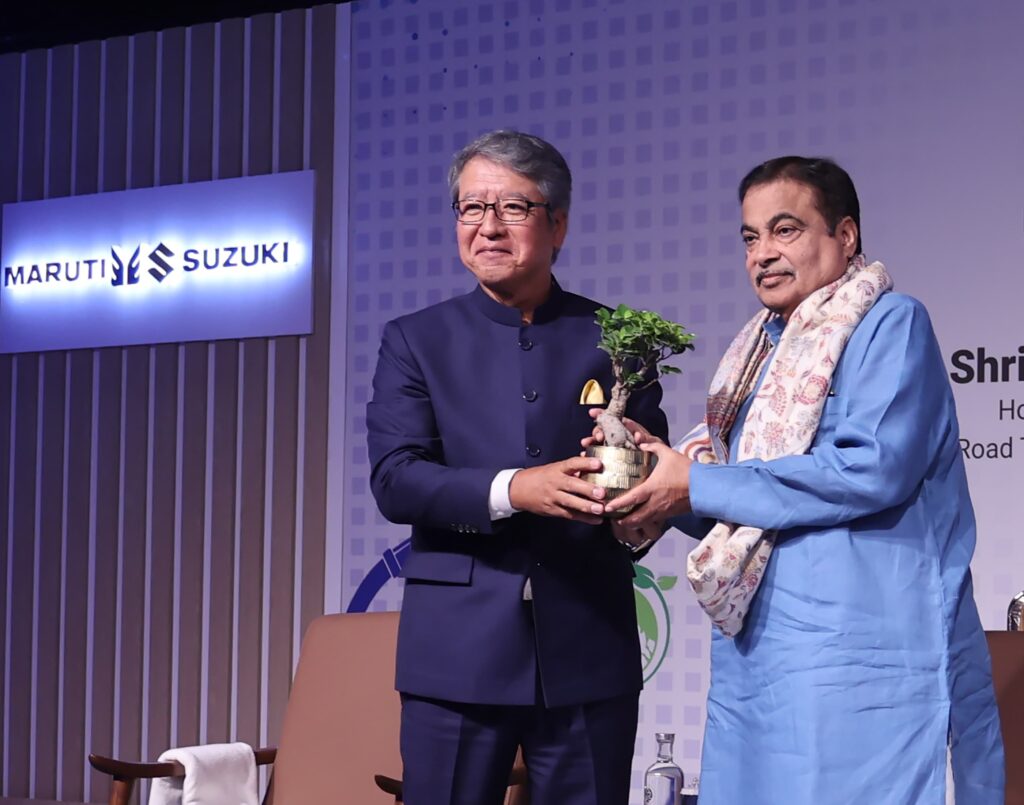
The vehicle was unveiled in the presence of Shri Nitin Gadkari (Hon’ble Minister of Road Transport and Highways) and Shri Hardeep Singh Puri (Hon’ble Minister of Petroleum and Natural Gas), signaling a massive step forward for the “Atmanirbhar Bharat” vision.
The E100 to E20 Fuel Revolution: Ultimate Flexibility for Drivers
The standout feature of the Maruti WagonR Flex Fuel is its ability to provide complete fuel flexibility to consumers. The car is engineered specifically for ethanol-blended fuels, utilizing an advanced Engine Control Unit (ECU) calibration. This allows the engine to seamlessly adapt to any ethanol-petrol blend ranging anywhere from E20 to E100 fuel.
While the vehicle is fully compatible with E100 fuel (as defined under IS17821:2022), it has been officially homologated with E85 fuel. This is because the Central Motor Vehicle Rules (CMVR), 1989 GSR 27(E) currently define flex-fuel within the E20 to E85 parameters.
“India imports a large quantity of crude oil every year, and biofuels like ethanol are an important pathway towards reducing this dependence while strengthening our rural economy.” — Shri Nitin Gadkari, Minister of Road Transport and Highways
Economic and Environmental Impact: From ‘Annadatas’ to ‘Urjadatas’
The transition to flex-fuel vehicles is designed to deliver a multi-layered benefit to India’s economy, environment, and agricultural sector.
- Reducing Crude Imports: Widespread adoption of flex-fuel vehicles will significantly scale down India’s heavy financial dependence on foreign oil imports, saving valuable foreign exchange.
- Empowering Farmers: Ethanol is heavily derived from agricultural resources, effectively transforming Indian farmers from food providers (annadatas) into energy providers (urjadatas).
- Lowering Emissions: Utilizing higher ethanol blends like E85 and E100 substantially reduces local air pollution and carbon emissions compared to conventional petrol.
Shri Hardeep Singh Puri highlighted the momentum of this shift, stating that India’s ethanol journey is unstoppable. He noted that the initiative creates a win-win scenario by fostering rural prosperity while securing national energy infrastructure.
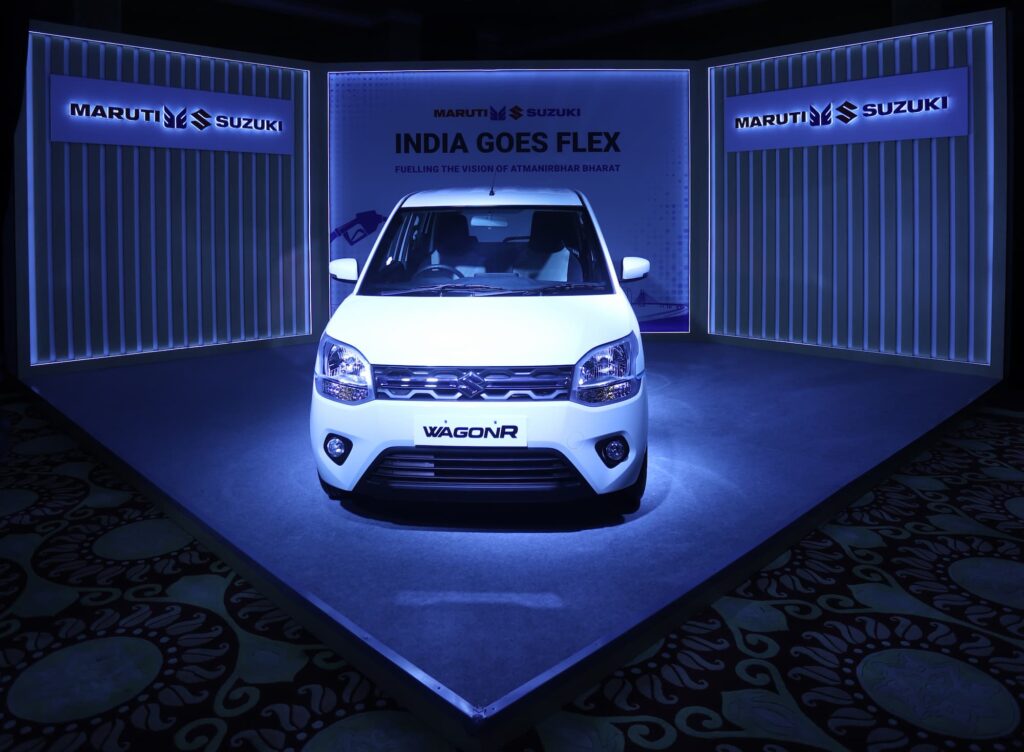
Maruti Suzuki’s Multi-Fuel Strategy
As the Indian automotive market leader, Maruti Suzuki is taking the initiative to help seed the nation’s ethanol ecosystem, which is currently in its early stages.
Mr. Hisashi Takeuchi, Managing Director & CEO of Maruti Suzuki India Limited, emphasized that the company is committed to pursuing multiple clean technologies simultaneously. Alongside ethanol flex-fuel vehicles, Maruti Suzuki is actively introducing Battery Electric Vehicles (BEVs), Hybrids, and CNG/CBG models to comprehensively target carbon reduction and domestic value addition.
Frequently Asked Questions (FAQs)
What is the Maruti WagonR Flex Fuel car?
It is India’s first flex-fuel car launched by Maruti Suzuki. It has been specifically engineered to run on flexible blends of ethanol and petrol, offering a sustainable alternative to traditional fossil-fuel vehicles.
What fuel can be used in the Maruti WagonR Flex Fuel?
The car features advanced ECU calibration that allows it to adapt seamlessly to any ethanol-blended petrol ranging from E20 to E100 fuel.
Why is the car homologated with E85 if it supports E100 fuel?
The vehicle is fully compatible with E100 fuel under IS17821:2022 standards. However, it is homologated with E85 because current Central Motor Vehicle Rules (CMVR) legally define flex-fuel as a blend between E20 and E85.
How does this flex-fuel vehicle benefit Indian farmers?
Because ethanol is a biofuel produced from agricultural outputs, the demand generated by flex-fuel vehicles helps boost rural economies and increases income for domestic farmers.
Maruti Wagon R
You can add more to this story by commenting below.