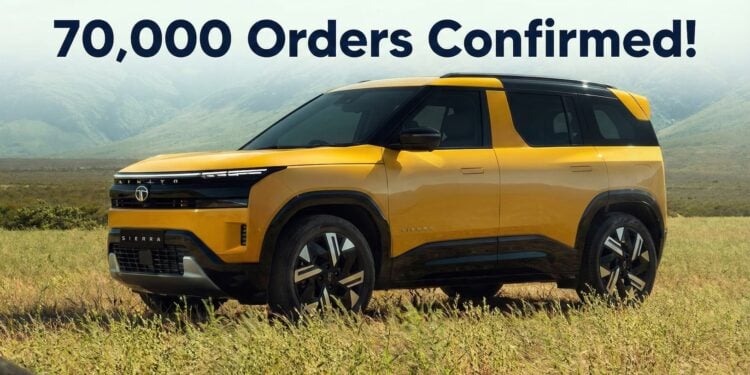
Tata Sierra Storms the Market: A Historic Comeback
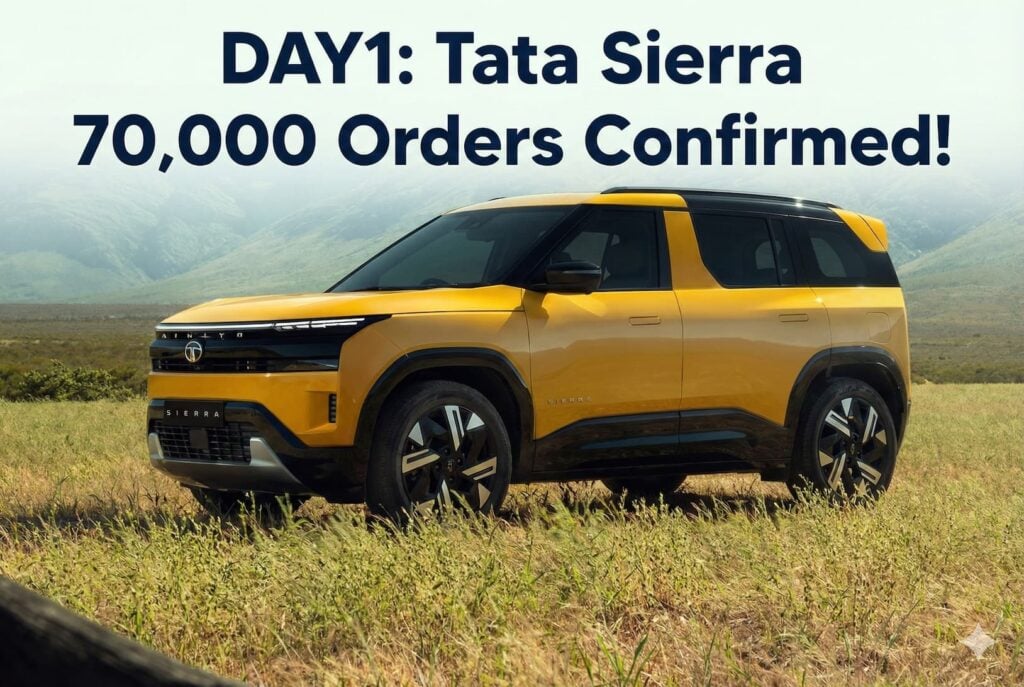
The iconic Tata Sierra has made a thunderous return to the Indian automotive scene. On the very first day of bookings officially opening, Tata Motors recorded over 70,000 confirmed order bookings. This overwhelming response signals a shift in the mid-size SUV segment, marking the Sierra as a formidable contender against established players.
In addition to the confirmed bookings, the company reported that another 1.35 lakh customers have submitted their preferred configurations and are currently progressing to complete the booking formalities. This massive initial interest underscores the magnetic appeal of the brand’s new “Premium Mid-SUV” positioning.
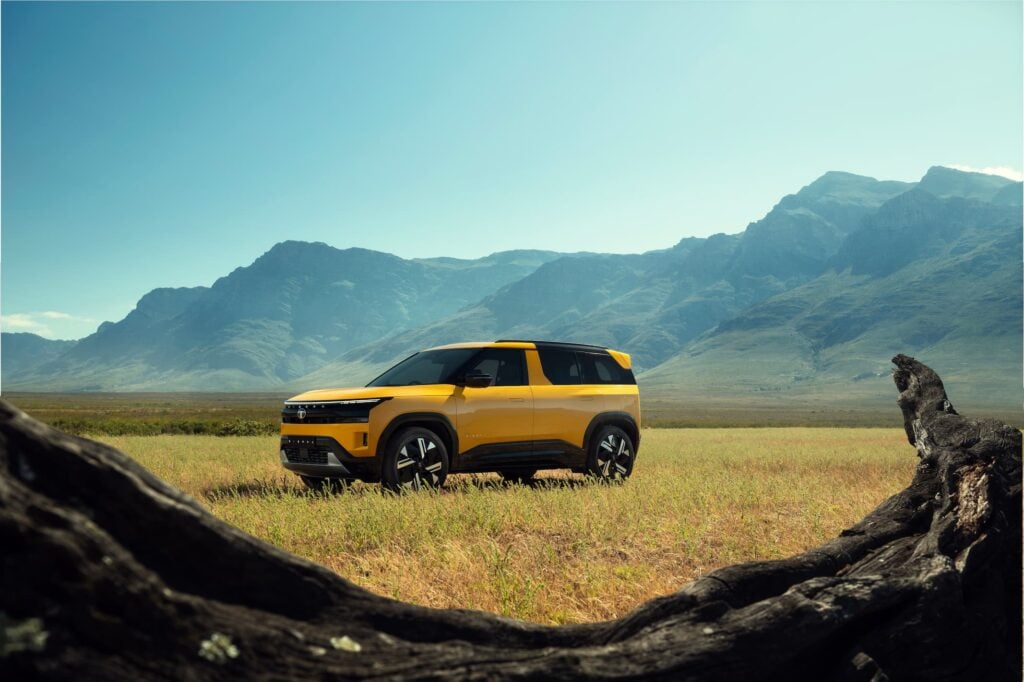
Market Forecast and Demand Analysis
The volume of interest—totaling over 2 lakh potential leads within 24 hours (70k confirmed + 1.35 lakh in process)—suggests a highly supply-constrained market environment for the Sierra in the coming months.
- Projected Waiting Periods: Based on similar booking frenzies seen with the Mahindra Scorpio-N and XUV700, the Tata Sierra is likely to command a waiting period stretching between 6 to 10 months for popular variants. The production ramp-up will be critical in converting the 1.35 lakh “soft” bookings into final sales.
- Segment Disruption: The Sierra is positioning itself to disrupt the dominance of the Hyundai Creta and Kia Seltos. With a starting price of roughly ₹11.49 Lakh (ex-showroom) and a dedicated EV option expected later, Tata is aggressively targeting a 20-25% share of the SUV market.
- Consumer Shift: The data indicates a strong consumer shift toward “lifestyle” SUVs that offer distinct individuality over standard crossovers. The Sierra’s “Lounge” interior concept and unique design DNA are driving this emotional connection.
Competition Check: Sierra vs. The Rivals
The Tata Sierra enters a crowded ring. Here is how it stacks up against the competition mentioned in market reports and user inquiries:
| Feature | Tata Sierra | Kia Seltos | MG Hector | Hyundai Creta |
| Positioning | Premium Mid-SUV / Lifestyle | Urban Compact SUV | Mid-Size Tech SUV | All-rounder Compact SUV |
| Primary Appeal | Iconic Heritage, Space, Design | Sportiness, Features | Size, Comfort, Tech | Resale Value, Service |
| Key Engines | 1.5L TGDi Hyperion, 1.5L Diesel | 1.5L Turbo Petrol, 1.5L Diesel | 1.5L Turbo Petrol, 2.0L Diesel | 1.5L NA/Turbo Petrol, 1.5L Diesel |
| Dimensions | Largest in class (Width/Height) | Compact & Agile | Longest in class | Balanced Compact |
Insights on the Competition
- Vs. Kia Seltos: The Seltos remains the driver’s choice for agility and feature density. However, the Sierra counters with superior rear-seat space (“Lounge” feel) and a more rugged, commanding road presence that appeals to buyers wanting a “bigger car” feel.
- Vs. MG Hector: The Hector has traditionally held the crown for “most space for the money.” The Sierra challenges this directly by offering similar spaciousness but with arguably better driving dynamics due to the new advanced powertrain options like the Hyperion gasoline engine.
- Vs. Mahindra Scorpio-N: While the Scorpio-N is a ladder-frame off-roader, the Sierra (monocoque) offers a more comfortable city drive while retaining the “tough” SUV image, bridging the gap between the rough-and-tumble Scorpio and the urban Creta.
Under the Hood: Powertrain Options
Tata has launched the Sierra with three advanced powertrain options to cater to diverse driving needs:
- 1.5L Kryojet Diesel: Ideally suited for high-mileage users and highway cruising.
- 1.5L TGDi Hyperion Petrol: A high-performance turbo-petrol engine targeting enthusiasts who might otherwise look at the Seltos Turbo or Taigun GT.
- 1.5L NA Revotron Petrol: The entry-level option balancing price and everyday usability.
Tata Sierra Waiting Period & Delivery Timeline
With 70,000 confirmed bookings recorded on the very first day, the Tata Sierra is expected to command significant waiting periods immediately upon the commencement of deliveries. The overwhelming demand is further compounded by an additional 1.35 lakh customers who have already submitted preferred configurations and are currently progressing to complete booking formalities.
- Anticipated Waiting Period: While Tata Motors has not yet released an official waiting period chart in this press release, a booking volume of this magnitude (over 2 lakh combined interests) typically translates to a waiting timeline stretching from 6 to 10 months for high-demand variants in the Indian market.
- Delivery Prioritization: The company noted that customers are currently “progressing to complete booking formalities”. This suggests that deliveries will likely follow a “first-in, first-out” allocation model, prioritizing the 70,000 customers who have already secured their order confirmations.
- Production Ramp-up: To meet this “thunderous” demand and “overwhelming response”, Tata Motors will likely need to aggressively ramp up production capacity to prevent waiting periods from extending beyond a year, a common challenge for hit products in the Premium Mid-SUV segment.
Frequently Asked Questions (FAQs)
Q1: When were the bookings for the new Tata Sierra opened?
A: Bookings officially opened on December 16/17, 2025, and the car received over 70,000 confirmations on the very first day.
Q2: What is the price of the new Tata Sierra?
A: The Tata Sierra price range starts at ₹11.49 Lakh and goes up to ₹21.29 Lakh (ex-showroom) for the top-spec variants.
Q3: Does the Tata Sierra compete with the MG Hector?
A: Yes, the Sierra directly competes with the MG Hector, particularly in the “Premium Mid-SUV” space, offering comparable cabin space and premium features but with a fresher design legacy.
Q4: What engines are available in the Tata Sierra?
A: The Sierra is available with a 1.5L Kryojet Diesel, a 1.5L TGDi Hyperion petrol, and a 1.5L NA Revotron petrol engine.
Q5: Is there a waiting period for the Tata Sierra?
A: Given the 70,000 confirmed bookings on Day 1, customers should expect a significant waiting period, potentially ranging from 6 to 10 months depending on the variant and production capacity.
You can add more to this story by commenting below.