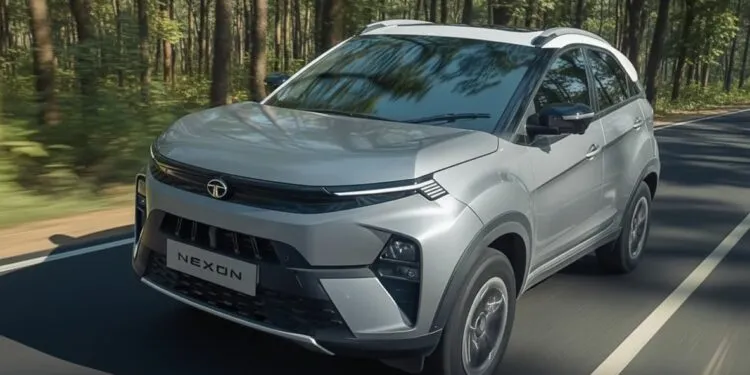
Tata Motors has officially driven past a historic milestone, registering over one million domestic sales for its sub-four-meter compact SUV, the Nexon. Data recorded between its initial market launch in 2017 and the first quarter of 2026 confirms cumulative sales of 1,054,805 units. First-year dispatches sat at a modest 14,062 units, escalating into a consistent upward trajectory that peaked at 2,00,561 units during the 2025 calendar year. This aggressive compound annual growth rate positions the Nexon as a permanent fixture at the top of the Indian utility vehicle sales charts, securing its status as one of the most commercially successful indigenous automotive products of the past decade.
The Journey to One Million Units
Tracing the sales graph from 2017 to 2026 reveals a clinical execution of lifecycle management by Tata Motors. Initially launched into a segment heavily dominated by established players, the Nexon required time to gain traction, hovering around the 50,000-unit mark annually between 2018 and 2020. The inflection point occurred in 2021 when wholesale figures doubled to 1,08,577 units. This surge correlated directly with substantial mid-lifecycle cosmetic updates, interior digitization, and a massive shift in consumer buying behavior prioritizing domestic manufacturers.
Subsequent years demonstrated ruthless market capture. Sales climbed to 1,68,278 in 2022 and 1,70,312 in 2023, driven by continuous feature additions and variant realignments. By 2025, production lines were operating at maximum capacity to deliver over two lakh units in a single calendar year. Currently retailing at an estimated ex-showroom price bracket of INR 8.15 Lakh to INR 15.80 Lakh for internal combustion variants, and stretching up to INR 19.49 Lakh for top-tier EV trims, the vehicle covers an exceptionally wide pricing spectrum. This broad bracket allows it to cannibalize sales from premium hatchbacks at the lower end and mid-size SUVs at the upper end.
Pioneering Passenger Vehicle Safety Standards
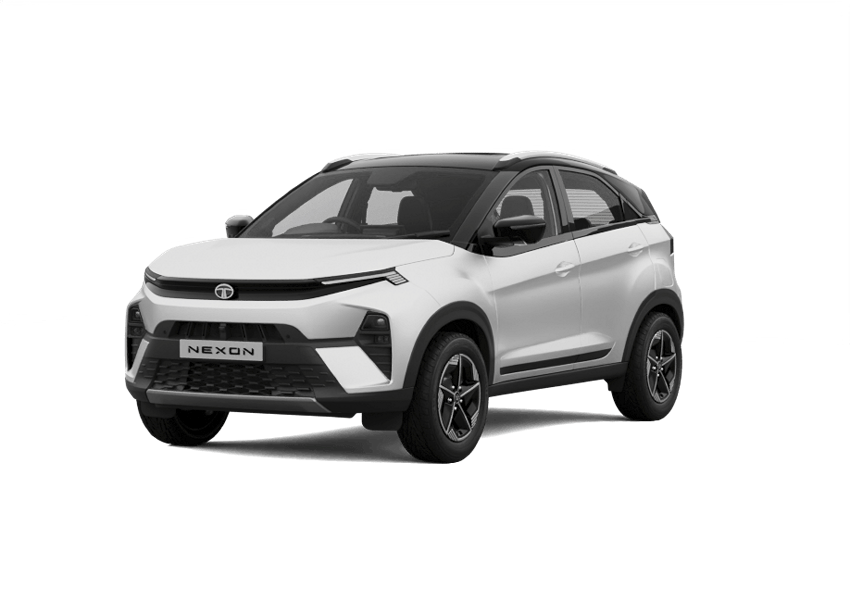
The rapid acceleration in consumer demand maps directly to the historical Global NCAP crash test results published in 2018. The Nexon became the first Indian-manufactured vehicle to achieve a full 5-star adult occupant protection rating, fundamentally altering the domestic automotive narrative. Before this result, passive safety was treated as an optional luxury by most mass-market OEMs. Tata Motors leveraged this structural integrity as a primary marketing pillar, forcing industry-wide recalibration regarding high-tensile steel usage and reinforced cabin parameters.
Modern iterations build upon this robust monocoque foundation. Current safety equipment includes six airbags, electronic stability programs, traction control, and roll-over mitigation as standard fitment across the entire variant hierarchy. Higher trims integrate 360-degree camera systems, blind-spot monitoring, and tire pressure monitoring systems. This uncompromising approach to crash readiness resonates deeply with the contemporary Indian middle-class buyer, who now ranks vehicular safety alongside fuel economy as a non-negotiable purchasing criterion.
Multi-Powertrain Strategy Maximizing Market Share
A primary catalyst for the Nexon’s sustained dominance is the manufacturer’s powertrain-agnostic architecture. By avoiding reliance on a single fuel type, Tata Motors insulated the platform against fluctuating crude oil prices and tightening regional emission mandates, effectively creating a separate product line for every specific buyer demographic.
Internal Combustion Dynamics
The volume anchors remain the forced-induction internal combustion engines. The 1.2-liter three-cylinder Revotron turbo-petrol delivers aggressive mid-range punch, while the 1.5-liter four-cylinder Revotorq turbo-diesel provides superior highway cruising efficiency and high low-end torque. Transmission options have been heavily localized and diversified, offering manual gearboxes, automated manual transmissions (AMT), and a sophisticated 7-speed dual-clutch automatic (DCA) featuring wet-clutch technology specifically calibrated for high-temperature, stop-and-go Indian traffic conditions.
The High-Voltage EV Dominance
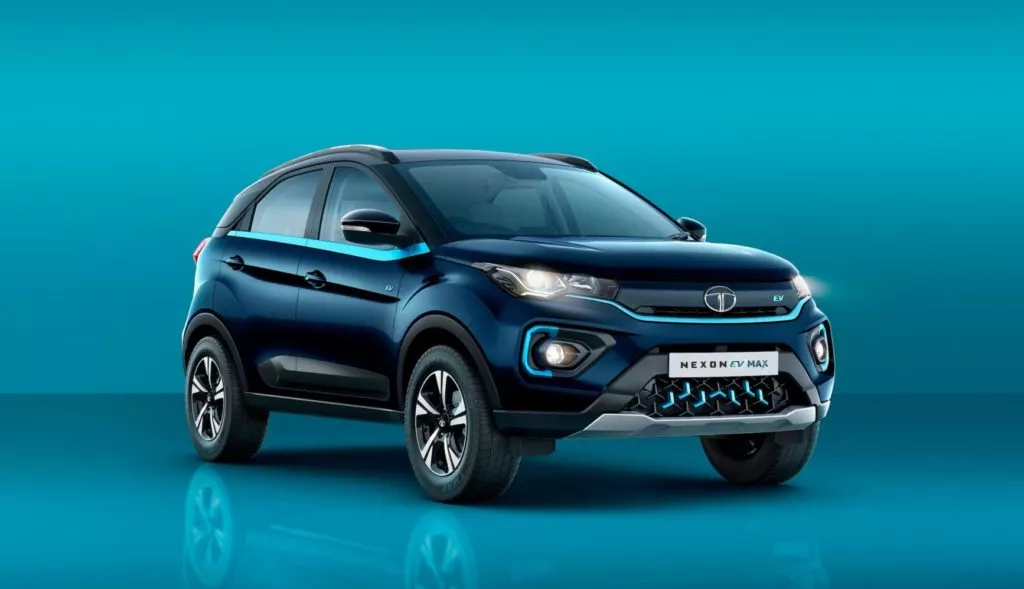
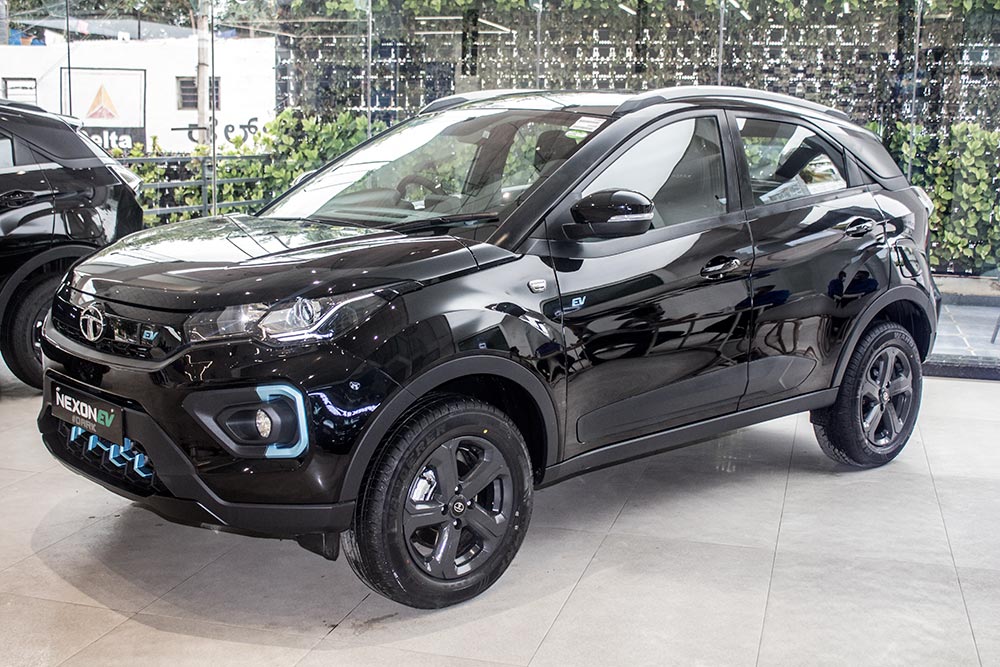
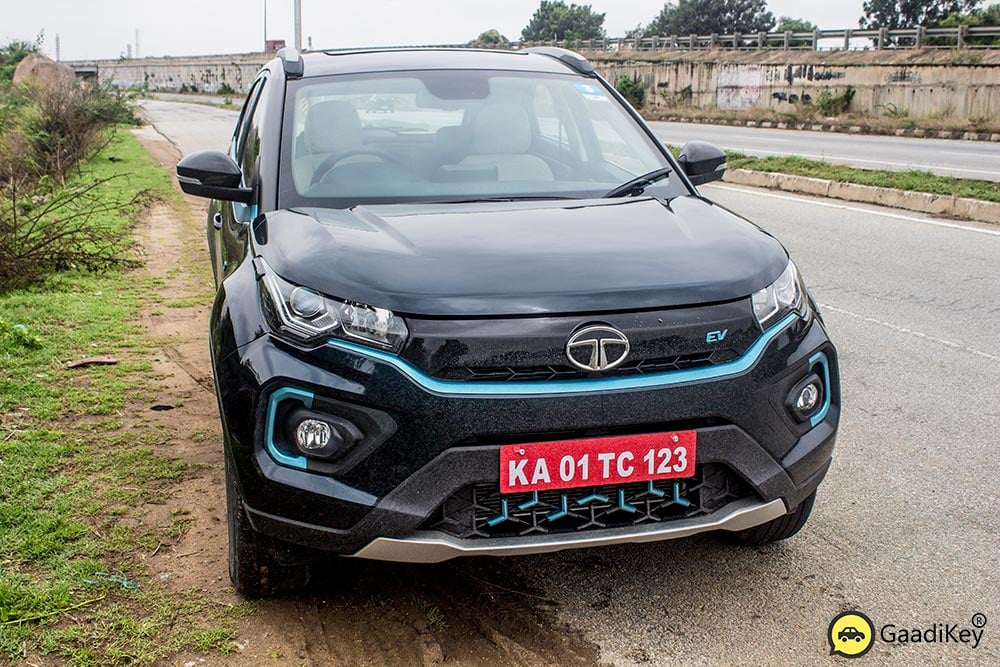
The electrification of the platform effectively created the mass-market passenger EV segment in India. Available in Medium Range and Long Range battery configurations, the EV iteration utilizes a Ziptron high-voltage architecture with liquid-cooled IP67-rated battery packs. It provides zero-emission urban commuting with regenerative braking capabilities, capturing early adopters and buyers seeking refuge from highly volatile petrol pricing, all while maintaining the identical footprint and interior practicality of its internal combustion sibling.
CNG Integration for Cost-Conscious Commuters
Closing the loop on its powertrain portfolio, the recent integration of factory-fitted compressed natural gas (iCNG) technology targets high-mileage urban users. Utilizing a twin-cylinder packaging innovation that relocates the CNG tanks beneath the luggage floor, the platform retains its usable boot space—a historical limitation of CNG vehicles. This variant pairs turbocharged performance with ultra-low running costs, directly appealing to fleet operators and budget-conscious nuclear families.
Engineering Calibrated for Indian Infrastructure
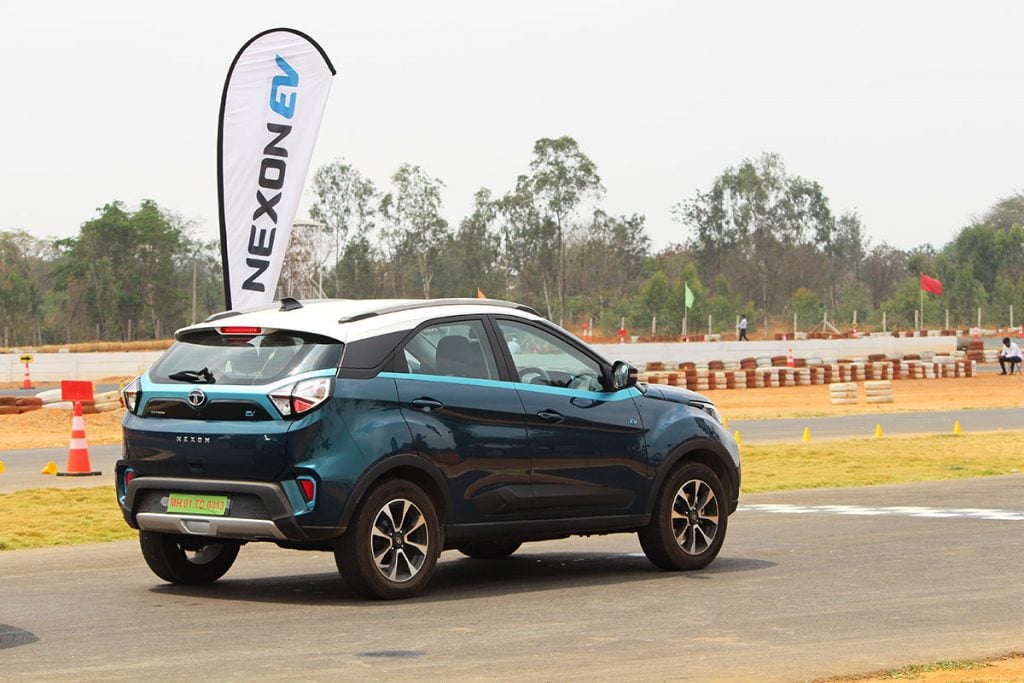
The underlying chassis calibration remains highly specific to the subcontinent’s challenging topography. Engineers prioritized a high ground clearance of 208mm, allowing the vehicle to clear aggressive speed breakers, deep potholes, and waterlogged monsoon roads without scraping its underbelly. This clearance is paired with a MacPherson strut front and twist-beam rear suspension setup that features long travel and robust damping characteristics.
The resulting ride quality is distinctly mature, absorbing low-speed chassis impacts effectively while maintaining high-speed highway stability. Inside the cabin, the evolution from rudimentary plastics to premium touch-surfaces, ventilated front seats, digital instrument clusters, and massive infotainment screens reflects the evolving demands of the upwardly mobile demographic. Buyers require rugged exterior durability paired with a highly digitized, insulated, and comfortable interior environment to isolate them from chaotic city commutes.
Strategic Positioning Against Sub-Four Meter Rivals
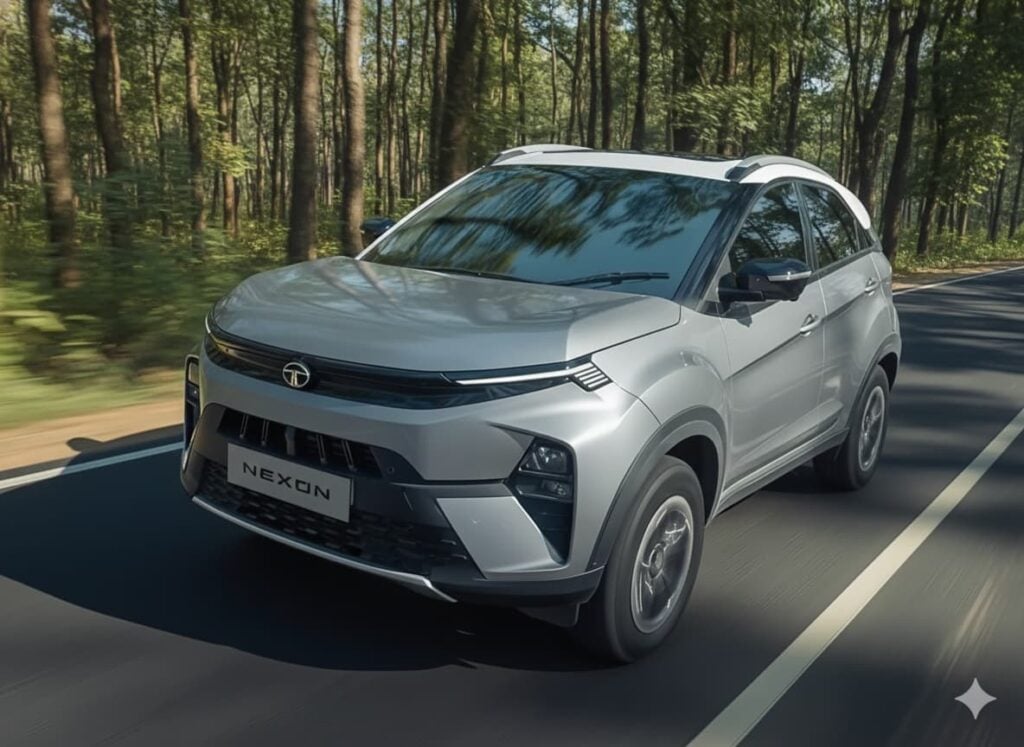
The sub-four-meter compact SUV segment is the most fiercely contested battleground in the Indian automotive sector. The Nexon faces direct, high-volume assaults from the Maruti Suzuki Brezza, Hyundai Venue, Kia Sonet, and the recently heavily updated Mahindra XUV 3XO. Each competitor brings distinct advantages: the Brezza offers a highly refined naturally aspirated four-cylinder engine and unmatched brand trust; the Korean twins (Venue and Sonet) provide superior refinement, smoother torque-converter automatics, and highly polished user interfaces; the XUV 3XO counters with class-leading torque output, panoramic sunroofs, and Level 2 ADAS functionality.
To maintain its volume leadership against these formidable alternatives, the Nexon leverages its unique combination of segment-best safety credentials, an unmatched variety of powertrain and transmission combinations, and its muscular, coupe-like exterior styling. While rivals may edge it out in specific metrics like ultimate engine refinement or top-end infotainment software fluidity, the Tata product consistently presents the most comprehensive overall package, directly translating to its continuous presence at the top of the monthly dispatch charts.
Technical Specifications Summary
| Engine Option | Power Output | Transmission Types |
| 1.2L Turbo-Petrol | 120 PS | 5MT, 6MT, 6AMT, 7DCA |
| 1.5L Turbo-Diesel | 115 PS | 6MT, 6AMT |
| EV (30 kWh & 40.5 kWh) | 129 PS & 143 PS | Single-Speed Automatic |
| 1.2L Turbo-CNG | 100 PS | 6MT |
Tata Nexon Sales over the years
Tata Nexon Historical Sales Data (2017 – 2026)
| Year | Units Sold |
|---|---|
| 2017 | 14,062 |
| 2018 | 52,519 |
| 2019 | 49,312 |
| 2020 | 48,842 |
| 2021 | 1,08,577 |
| 2022 | 1,68,278 |
| 2023 | 1,70,312 |
| 2024 | 1,61,611 |
| 2025 | 2,00,561 |
| 2026 | 80,731 |
| Total | 10,54,805 |
Frequently Asked Questions
How do the real-world running costs compare between the Petrol and EV variants?
The EV variant significantly undercuts the petrol model in daily running costs. Charging the EV at home on a standard domestic tariff yields a running cost of approximately INR 1.5 to INR 2.0 per kilometer. The turbo-petrol variant, assuming heavy city traffic, typically costs between INR 7.5 to INR 9.0 per kilometer to run. However, buyers must factor in the higher initial acquisition cost of the EV when calculating total cost of ownership over a 5-year period.
What is the real-world mileage of the petrol and diesel automatic variants?
In dense urban traffic, the 1.2L turbo-petrol with the 7DCA generally returns between 10 to 12 kmpl, stretching to 15 to 16 kmpl on open highways. The 1.5L turbo-diesel AMT is highly efficient, consistently delivering 14 to 16 kmpl in the city and easily surpassing 20 kmpl during sustained highway cruising.
Are all safety features standard across the lower variants?
Yes, Tata Motors standardizes critical safety equipment. Six airbags, Electronic Stability Program (ESP), Hill Hold Control, ABS with EBD, and ISOFIX child seat anchors are standard from the base trim upwards. Advanced features like the 360-degree camera, blind-spot monitor, and front parking sensors are restricted to the higher-spec variants.
Is the ground clearance adequate for fully loaded highway trips?
With an unladen ground clearance of 208mm, the vehicle sits higher than almost all its direct rivals. Even with five adult occupants and a fully loaded boot, the stiff suspension setup prevents the rear from sagging excessively, ensuring it rarely bottoms out over severe highway undulations or rural broken roads.
What are the average waiting periods for the current model year?
Waiting periods heavily depend on the variant, powertrain, and regional dealership allocation. Standard petrol manual variants generally command a 3 to 4 week wait. Highly demanded configurations, such as the EV Long Range or the top-spec petrol DCA with specific dual-tone paint schemes, can extend waiting periods to 8 to 12 weeks.
You can add more to this story by commenting below.