BYD India Shakes Up EV Market: Strategic Price Hikes and New Hybrid Tech Announcements
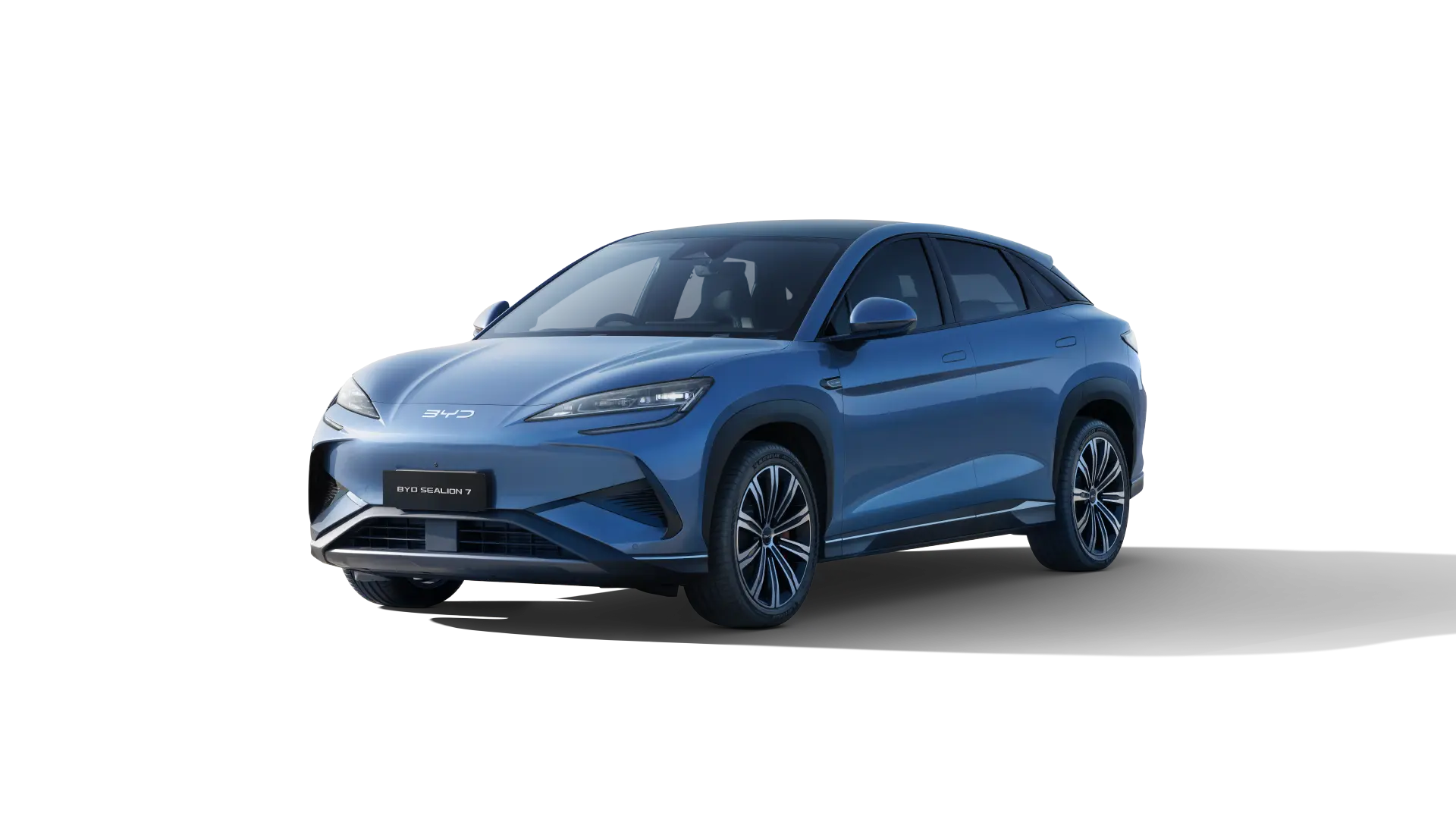
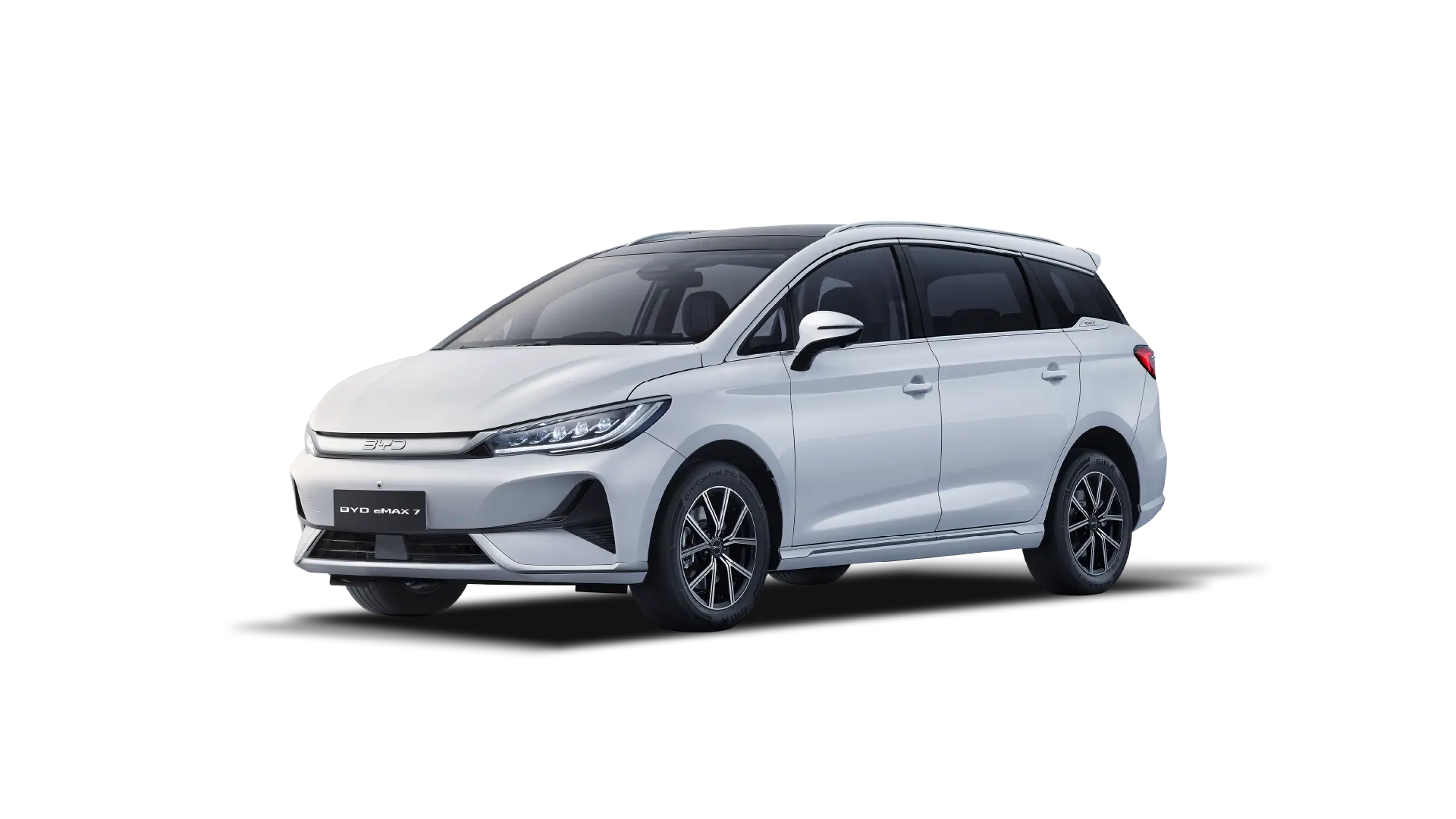
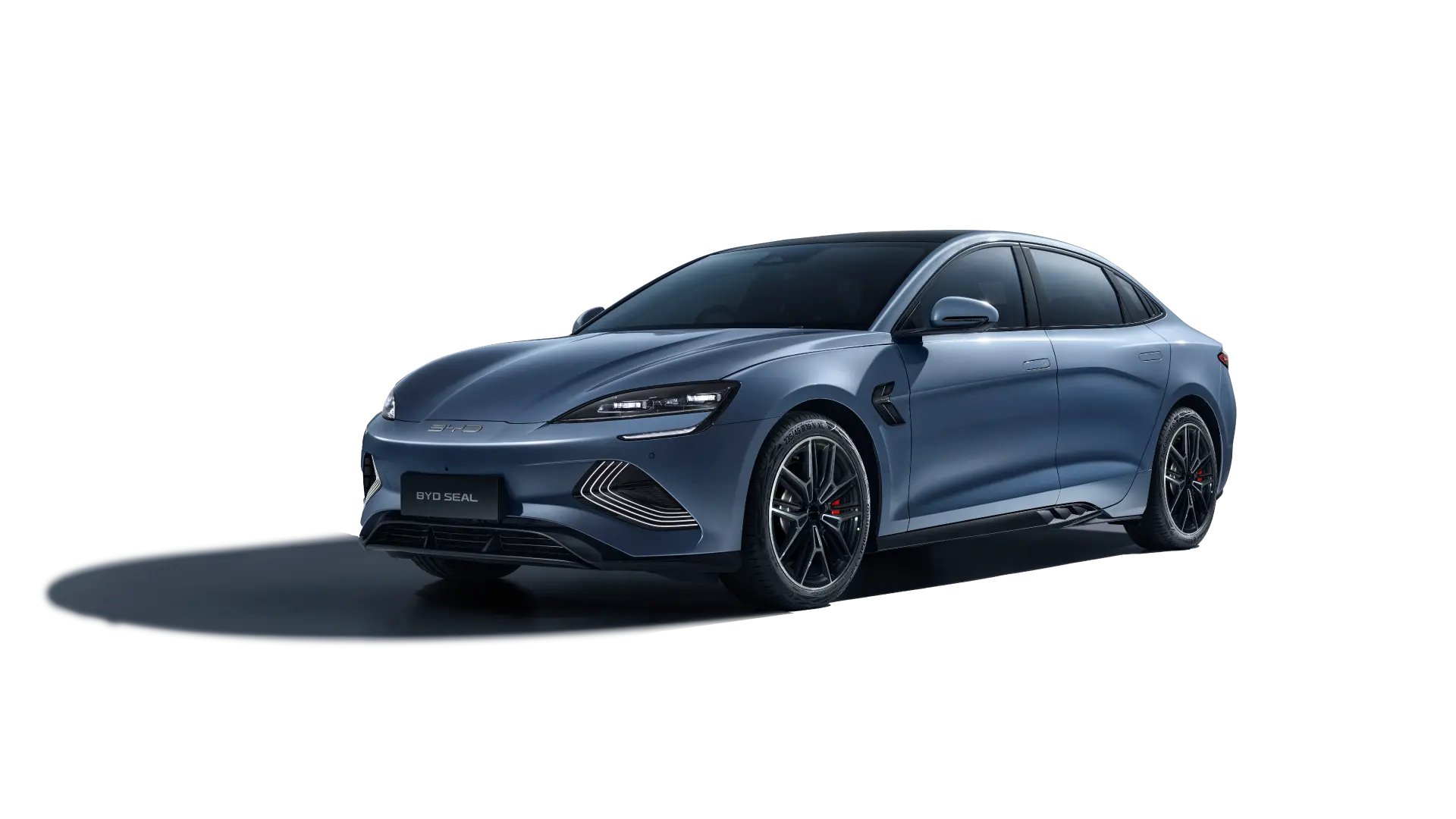
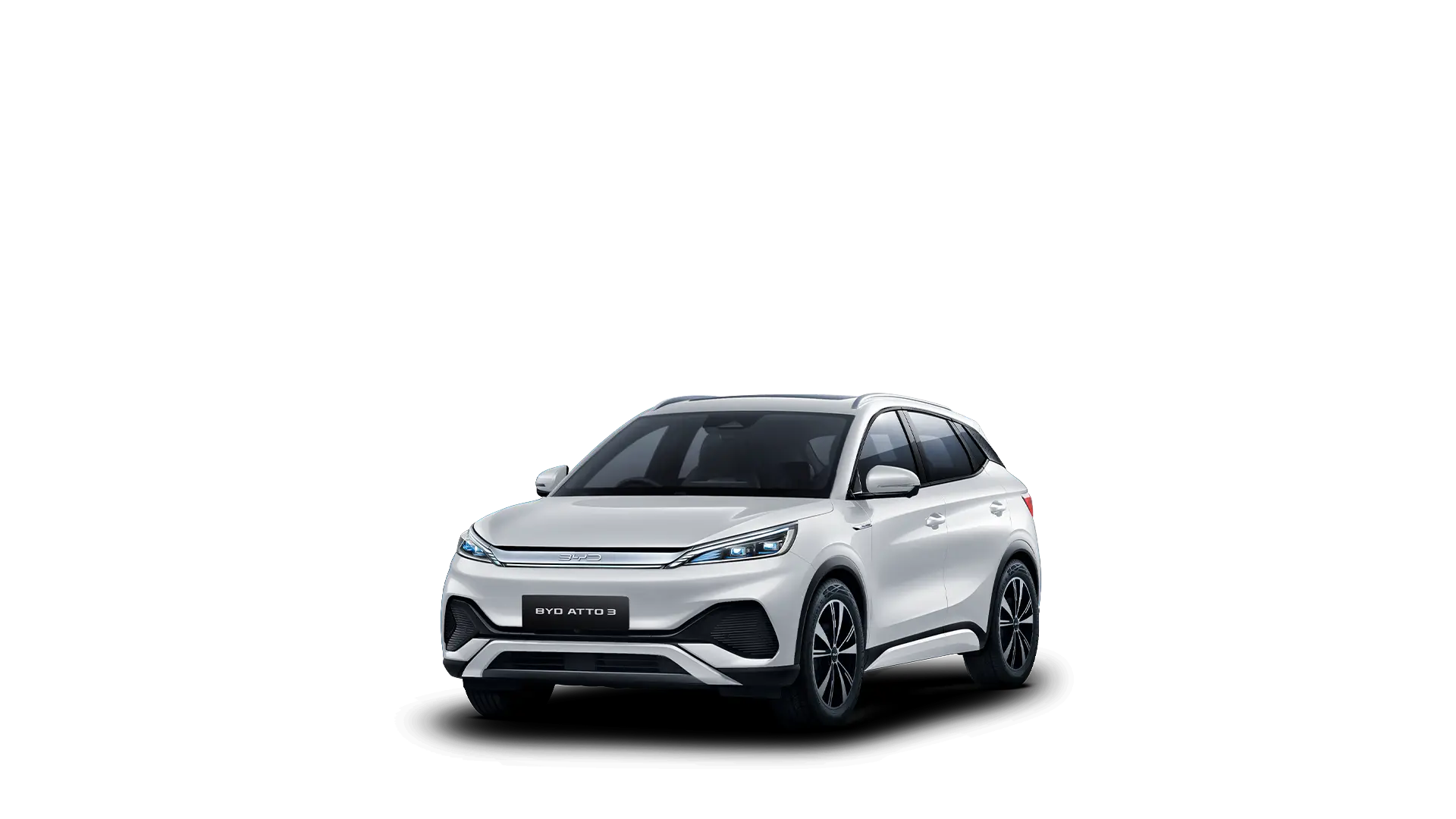
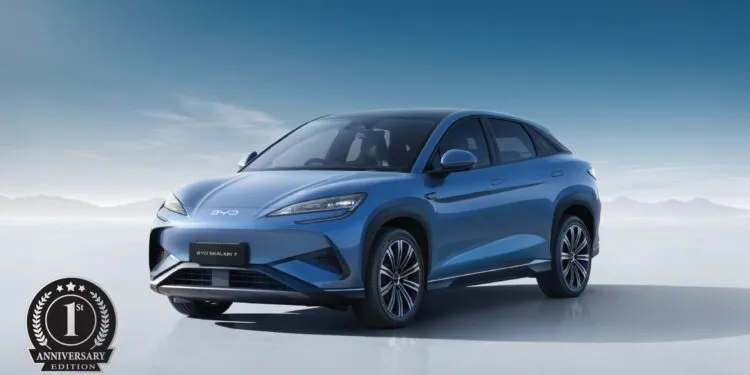
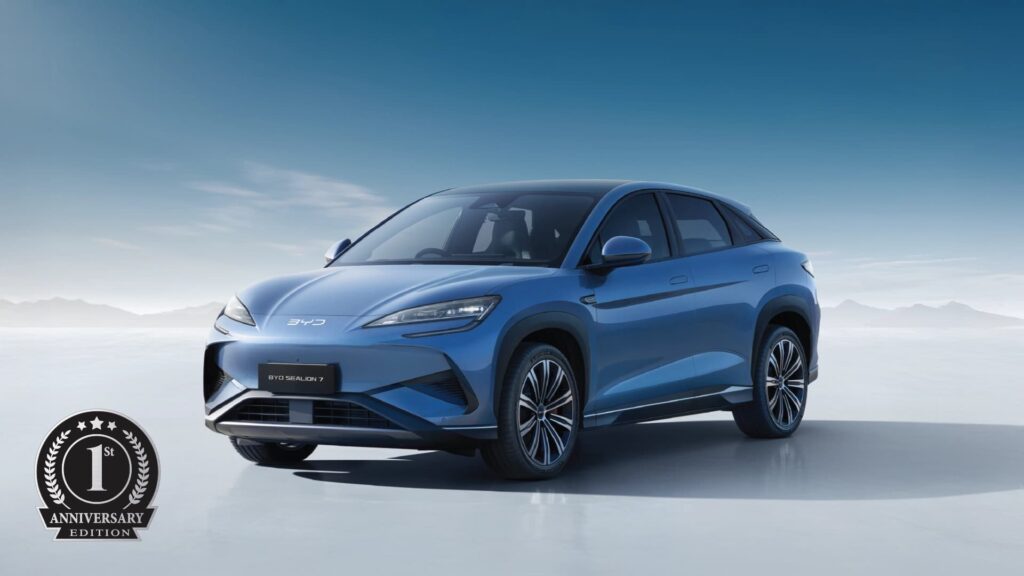
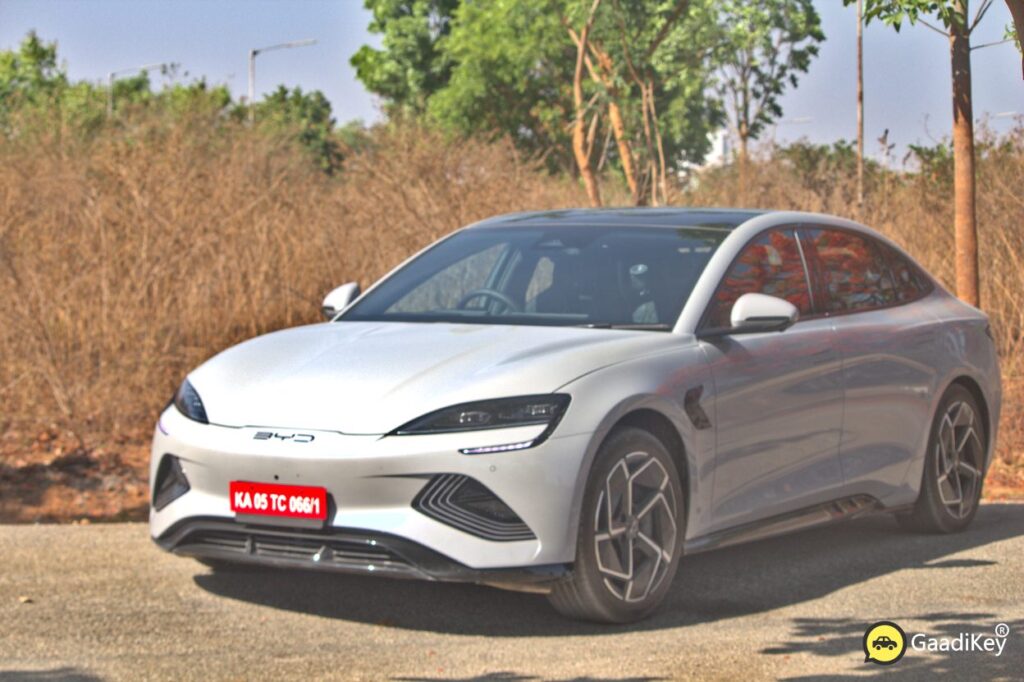
If you’ve been eyeing a premium BYD electric vehicle, you might need to adjust your budget. Effective July 1, 2026, BYD India is implementing a price hike ranging from ₹50,000 to ₹1,00,000 across select models in its passenger EV lineup. The price increase specifically impacts certain variants of the popular BYD ATTO 3, the SEALION 7, and the flagship BYD SEAL. However, there is a silver lining for some buyers: prices for specific ATTO 3 and eMAX 7 variants will remain completely unchanged. According to the company, this revision is a necessary response to rising input costs and ongoing inflationary pressures, ensuring they can continue to invest in network expansion and advanced technology for the Indian market.
Softening the Blow: New eMAX 7 Comfort and Advanced Tech
To balance out the price hikes, BYD has simultaneously expanded its Indian lineup with the launch of the new BYD eMAX 7 Comfort variant, starting at a highly competitive ₹27.90 lakh. Designed with family-oriented buyers and fleet operators in mind, this new variant packs a substantial 71.8 kWh battery capacity.
Mr. Rajeev Chauhan, Head of Electric Passenger Vehicles at BYD India, reassured buyers that the brand remains dedicated to delivering “advanced, sustainable, and high-performance electric mobility solutions” despite the pricing adjustments. As we noted here at GaadiKey during our past review of the high-performance BYD Seal, the company’s aggressive premium market push relies heavily on its globally acclaimed, proprietary technology—namely the ultra-safe Blade Battery, Cell-to-Body (CTB) architecture, and Intelligence Torque Adaptation Control (iTAC).
Global Might Meets Local Strategy
It’s hard to overstate the sheer scale backing these local adjustments. Globally, BYD is an absolute juggernaut, having sold over 16.5 million New Energy Vehicles (NEVs) and contributing to a massive reduction of 144 billion kilograms of CO2 emissions—roughly equivalent to planting 2.41 billion trees.
In India, BYD operates two factories covering over 140,000 sq. m, backed by an investment exceeding $200 million. They currently serve around 14,000 Indian customers through a growing network of 48 showrooms across 40 cities. Beyond fully electric vehicles, BYD is also expanding its footprint by officially introducing its global DM-i (Dual Mode Intelligent) plug-in hybrid technology, officially marking its entry into India’s highly competitive hybrid passenger vehicle segment.
Industry Impact
What This Means for the Everyday Consumer
For the average car buyer, BYD’s latest pricing strategy highlights an unavoidable industry reality: even massive, heavily scaled battery technology isn’t immune to inflation and supply chain costs. While the ₹50,000 to ₹1,00,000 premium on luxury models like the SEAL and SEALION 7 slightly raises the barrier to entry, BYD is cleverly softening the blow with the ₹27.90 lakh eMAX 7 Comfort. This shows that while flagship performance is getting more expensive, automakers are actively working to keep high-capacity battery options accessible for everyday families.
The Ripple Effect on Competitors
For rival automakers, BYD’s dual-pronged approach—raising BEV prices while aggressively rolling out plug-in hybrids—creates a highly complex strategic battlefield.
- The Pure EV Rivals: Brands like MG (with the ZS EV) and Hyundai (with the Ioniq 5) now have a narrow pricing window to exploit. If they can absorb current input costs without passing them onto the consumer, they might snatch up buyers deterred by BYD’s price bump.
- The Hybrid Heavyweights: BYD’s official entry into the hybrid segment with its DM-i technology is the true disruptor. It directly threatens the traditional stronghold of legacy automakers like Toyota and Maruti Suzuki. It sends a clear message: the Chinese giant isn’t just banking on a pure-electric future; it is actively coming for the high-volume, transitionary hybrid market in India.
Frequently Asked Questions (FAQs)
1. When does the BYD India price hike go into effect? The revised ex-showroom prices will officially come into effect starting July 1, 2026.
2. Which BYD models are getting more expensive? The price increase, which ranges from ₹50,000 to ₹1,00,000, applies to select variants of the BYD ATTO 3, BYD SEALION 7, and BYD SEAL.
3. Are any BYD cars staying at their current price? Yes. BYD has confirmed that prices for certain variants of the BYD ATTO 3 and the BYD eMAX 7 will remain unchanged.
4. What is the price and battery capacity of the new BYD eMAX 7 Comfort? The newly introduced BYD eMAX 7 Comfort variant starts at ₹27.90 lakh and features an enhanced 71.8 kWh battery capacity.
5. Is BYD selling hybrid cars in India? Yes, alongside its pure electric vehicles, BYD is officially introducing its global DM-i (Dual Mode Intelligent) plug-in hybrid technology to the Indian market.
You can add more to this story by commenting below.