Maruti Suzuki Introduces Wagon R as India’s First Flex-Fuel Vehicle
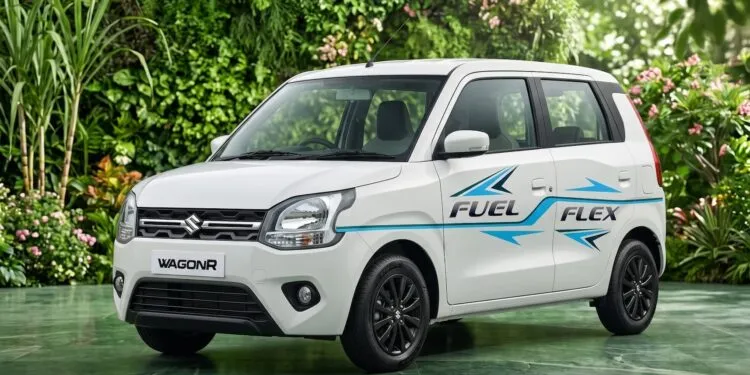
On June 4, 2026, Maruti Suzuki established a significant milestone in the Indian automotive industry by becoming the first carmaker in the country to introduce a flex-fuel vehicle. The manufacturer showcased the Wagon R flex-fuel prototype as part of a broader industry alignment with the Indian government’s directives to scale up domestic ethanol blending. This initiative arrives as state policies increasingly prioritize reducing national reliance on crude oil imports, a strategy intensified by ongoing global geopolitical tensions.
Technical Specifications and E85 Compatibility
The newly introduced Maruti Suzuki Wagon R flex-fuel model is engineered to operate with full compliance on E85 fuel. This technical rating means the vehicle’s engine and fuel delivery systems are fully capable of utilizing blended fuel consisting of up to 85 percent ethanol and 15 percent petrol.

Maruti Wagon R
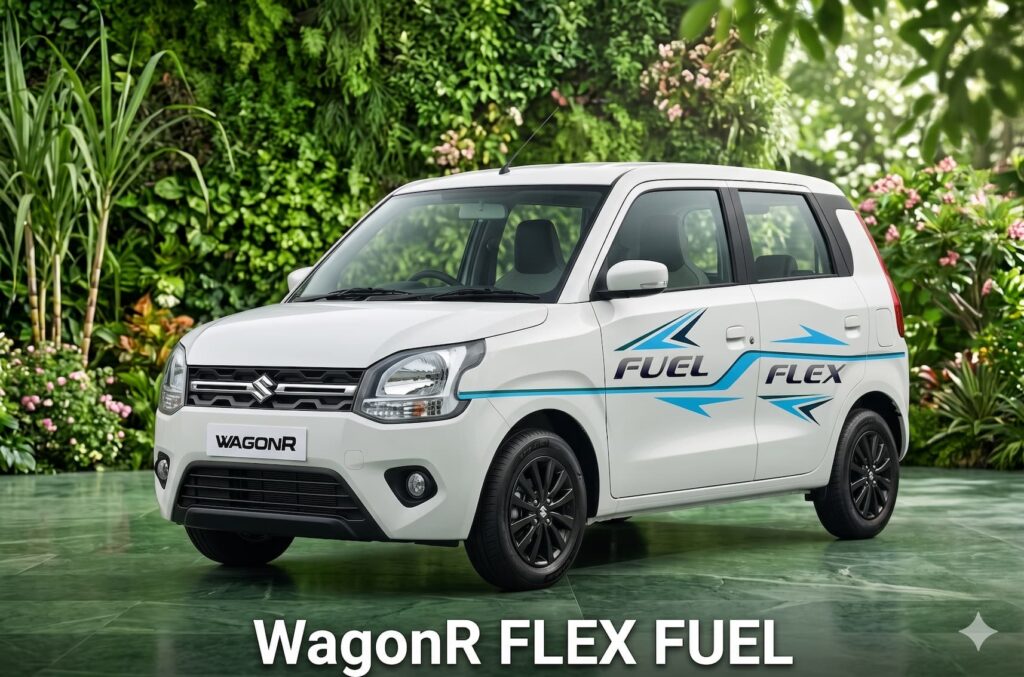
Currently, the automotive market utilizes E20 petrol as its baseline standard. Maruti Suzuki’s development of an E85-compliant powertrain represents a proactive shift toward higher-efficiency alternative fuel systems, ensuring the vehicle can withstand the corrosive properties and distinct combustion characteristics associated with high-concentration ethanol.
Government Backing and Market Impact
The integration of flex-fuel technology matches immediate economic and energy security targets set by the government. Union Petroleum and Natural Gas Minister Hardeep Singh Puri stated that the commercial rollout of E85 fuel will occur “soon”.
Crucially for consumers, Minister Puri confirmed that E85 fuel will be priced significantly lower than the current E20 petrol standard. This price differentiation is expected to drive consumer adoption by offsetting potential variations in fuel economy with a lower total cost of ownership.
Strategic Objectives of the Flex-Fuel Transition
- Reduction in Import Reliance: Increasing ethanol utilization directly mitigates the macroeconomic risks associated with importing crude oil during volatile geopolitical climates.
- Consumer Affordability: The anticipated lower pricing framework for E85 fuel provides an immediate financial incentive for high-mileage drivers.
- First-Mover Advantage: By deploying India’s first functional flex-fuel passenger car, Maruti Suzuki solidifies its position as a primary partner in national sustainable mobility initiatives.
Frequently Asked Questions
What is India’s first flex-fuel vehicle?
The Maruti Suzuki Wagon R is the first flex-fuel vehicle introduced by an automaker in India.
What type of fuel can the Maruti Suzuki Wagon R flex-fuel vehicle use?
The vehicle is fully compliant with E85 fuel, meaning it can operate safely and efficiently on fuel blends containing up to 85 percent ethanol.
Will E85 fuel cost less than standard petrol in India?
Yes. Union Petroleum and Natural Gas Minister Hardeep Singh Puri has stated that E85 fuel will be priced significantly lower than the current E20 petrol baseline standard.
Why is the Indian government pushing for vehicles with higher ethanol blends?
The government is accelerating the adoption of higher ethanol blends to lower India’s financial dependence on imported crude oil, particularly to secure the energy market against ongoing geopolitical tensions.
You can add more to this story by commenting below.
Maruti Wagon R