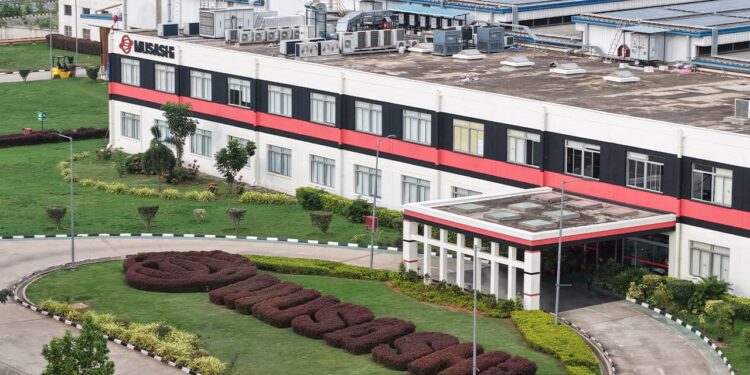
Musashi India Completes Major Expansion of Bengaluru Manufacturing Facility
Musashi India, a wholly-owned subsidiary of Japan’s Musashi Seimitsu Industries, has announced the completion of the Phase 2 expansion of its manufacturing facility in Bengaluru. This strategic development marks a significant milestone in the company’s efforts to strengthen its foothold in India’s automotive and electric mobility sectors.
The expanded facility, which is set to become fully operational by December 2025, is designed to enhance production capabilities for both new and existing customers, catering to the growing demand for high-quality transmission components.
Boosting Production Capacity and Economic Value
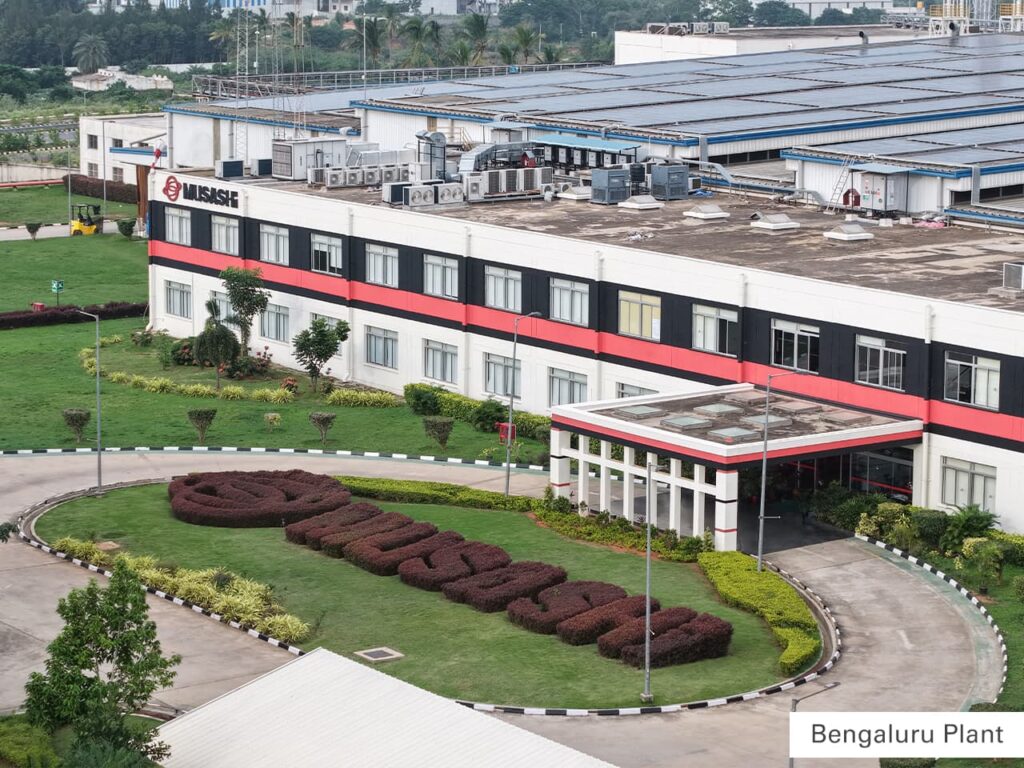
The expansion adds 11,000 square meters of newly developed area to the existing plant, bringing the total operational space to 32,000 square meters. This infrastructure upgrade significantly boosts Musashi India’s manufacturing output.
- Increased Capacity: The plant can now produce 6.5 million sets of scooter and motorcycle transmissions annually, a substantial rise from the previous capacity of 4 million sets.
- Economic Impact: The expansion is projected to nearly double the facility’s annual output value, increasing it from ₹5.5 billion to ₹10 billion.
The facility now boasts advanced capabilities in forging, machining, and heat treatment, positioning it as a key hub for both domestic and export markets.
Strategic Focus: Bridging ICE and EV Segments
Musashi India’s growth strategy is centered on maintaining leadership in the internal combustion engine (ICE) market while aggressively expanding into the electric vehicle (EV) segment. The Bengaluru plant is equipped to manufacture components for a wide range of vehicle categories:
- Motorcycles: 100cc to 750cc segments.
- Scooters: 100cc to 125cc segments.
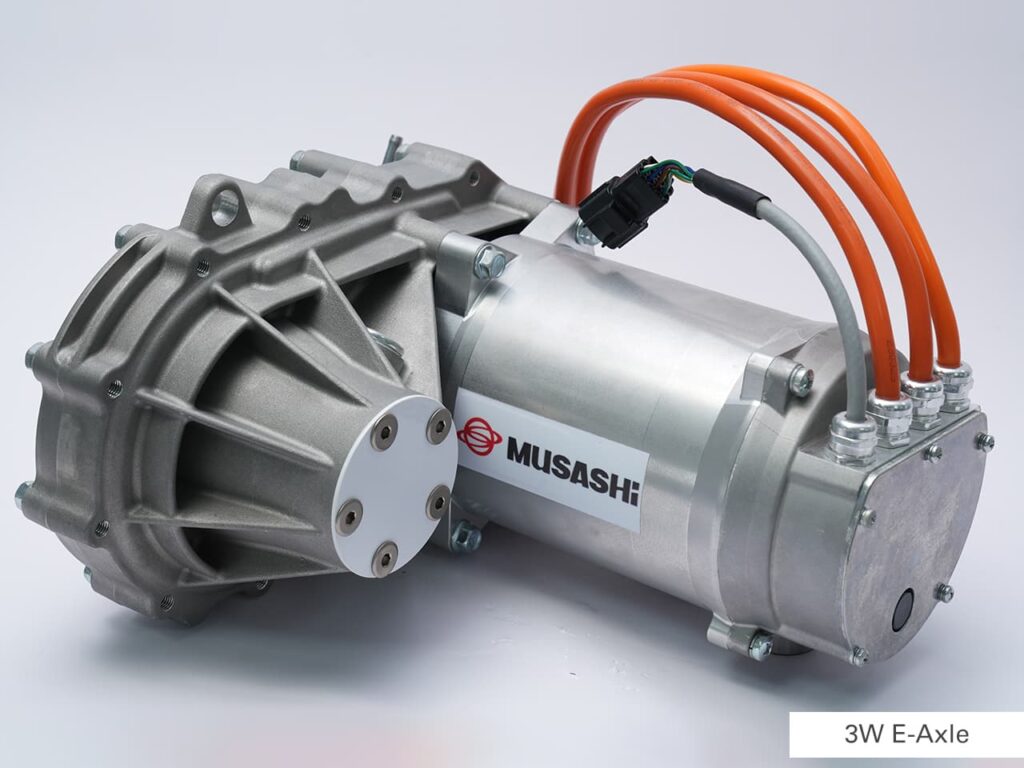
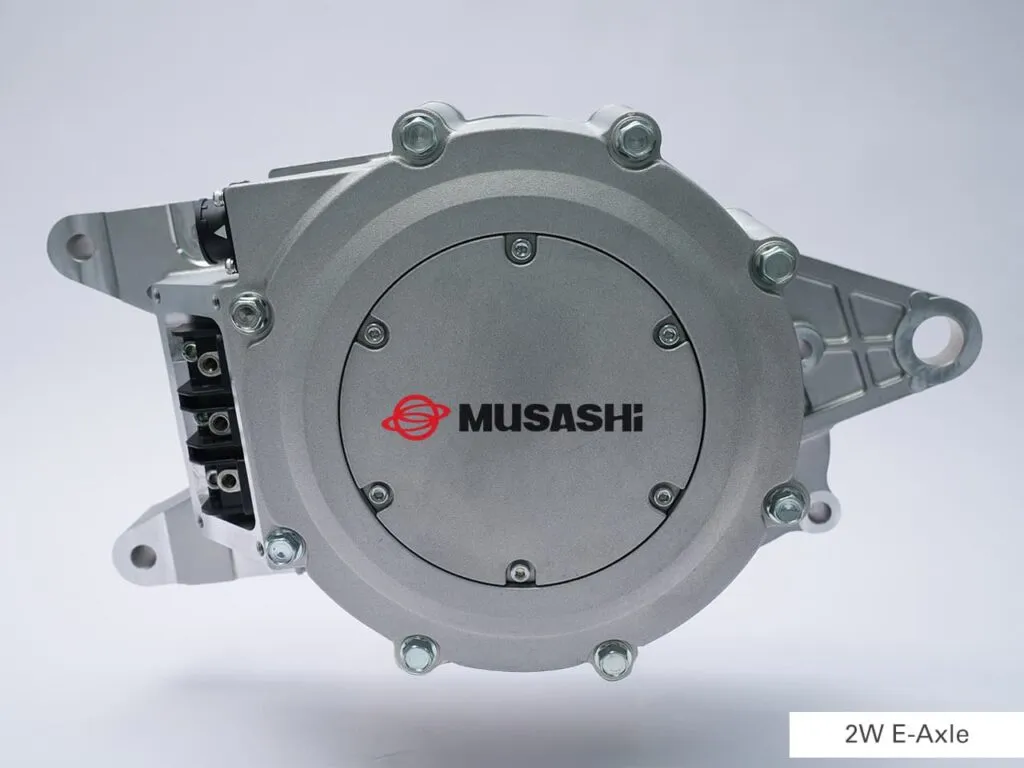
- Electric Mobility: E-axles for two-wheelers and three-wheelers.
The plant will also function as a dedicated prototype and testing hub for ICE transmissions and e-axles, reinforcing the company’s focus on advanced engineering and continuous innovation.
Advanced Automation and Manufacturing Excellence
To ensure superior quality control and operational efficiency, the facility has been integrated with state-of-the-art automation technologies. Key features include:
- Automated Processes: Implementation of robotic, gantry, and pick-and-place automation solutions.
- Precision Engineering: Advanced gear grinding, automated gear checking, and camera-based inspection systems to ensure high precision across production lines.
Naoya Nishimura, CEO of Musashi Auto Parts India and Africa Region, described the facility as the largest integrated manufacturing unit under one roof within the Musashi Group. He emphasized that the expansion was completed in just 18 months and embodies the company’s commitment to combining precision engineering with advanced automation.
Commitment to Sustainability and Green Energy
Aligned with its global Environmental, Social, and Governance (ESG) commitments, Musashi India has prioritized sustainability in the new facility’s design. The plant currently operates on over 96 percent green energy, utilizing a mix of hydro, wind, and captive renewable sources.
Key Sustainability Features:
- A rooftop solar installation with a capacity of 2.16 million kWh.
- Natural ventilation systems to reduce energy consumption.
- Emission control devices installed on all power generators.
These initiatives are part of Musashi’s broader global goal to achieve carbon neutrality across its entire value chain by the year 2038.
Frequently Asked Questions (FAQs)
Q1: What is the new production capacity of Musashi India’s Bengaluru plant? Following the Phase 2 expansion, the plant’s annual production capacity has increased to 6.5 million sets of scooter and motorcycle transmissions, up from the previous 4 million sets.
Q2: When will the expanded facility become fully operational? The expanded facility is scheduled to become fully operational by December 2025.
Q3: What types of vehicles will the Bengaluru facility cater to? The plant will manufacture components for 100–750cc motorcycles, 100–125cc scooters, and e-axles for both two-wheeler and three-wheeler electric vehicles.
Q4: Is the new facility environmentally friendly? Yes, the facility operates on over 96% green energy derived from hydro, wind, and solar sources. It features a massive rooftop solar installation and aims to contribute to the company’s global carbon neutrality goal by 2038.
Q5: Who is the parent company of Musashi India? Musashi India is a 100% owned subsidiary of Musashi Seimitsu Industries Co., Ltd, based in Japan.
You can add more to this story by commenting below.