Yamaha Files Patent for Adaptive Cruise Control System Featuring Automatic Downshifts
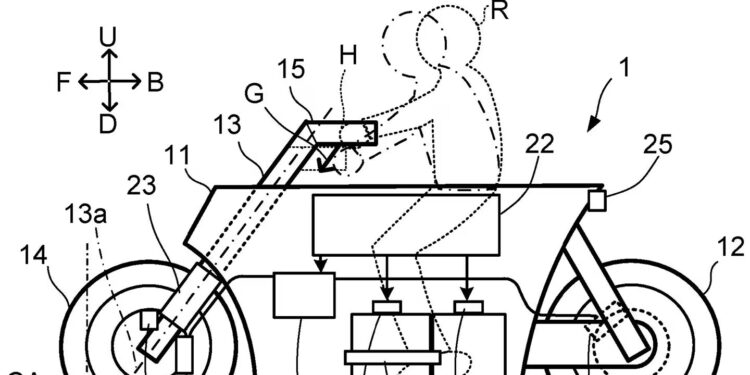
Yamaha has filed a patent application detailing the integration of radar-based rider assistance systems with semi-automatic transmissions. The technology is designed to automatically downshift during adaptive cruise control interventions. By utilizing engine braking alongside conventional brakes, the system aims to improve stability and overall braking performance when a motorcycle decelerates behind slower traffic.
Engineering the Deceleration Process
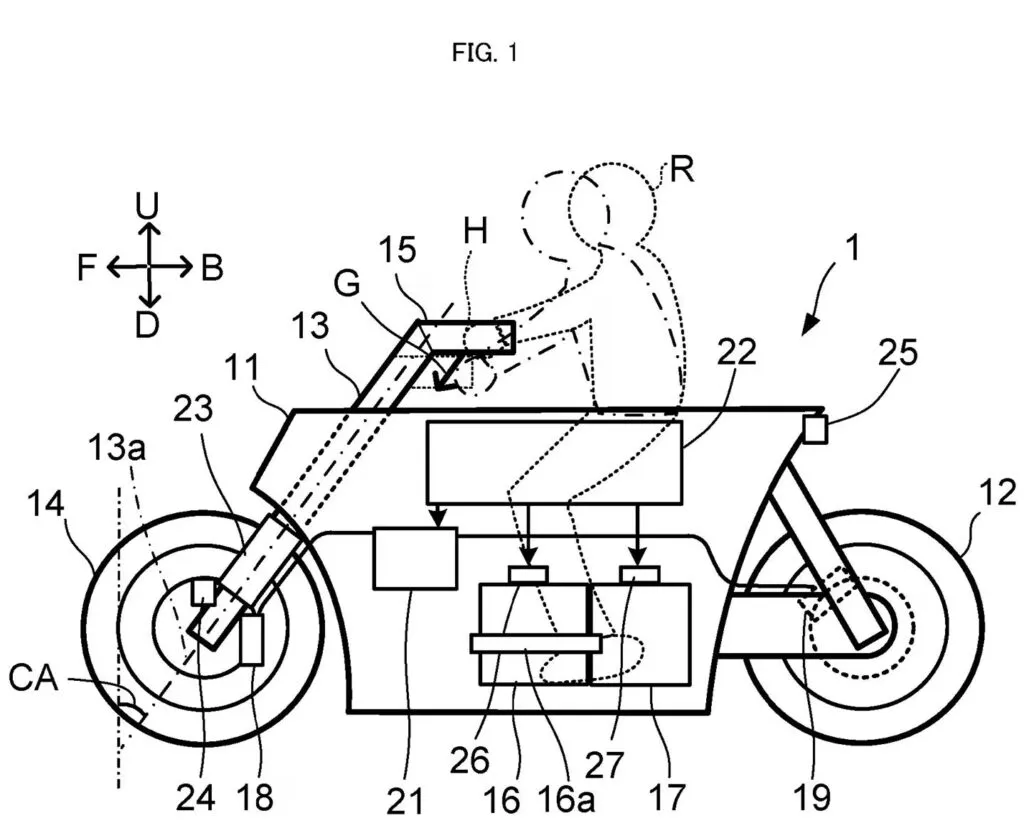
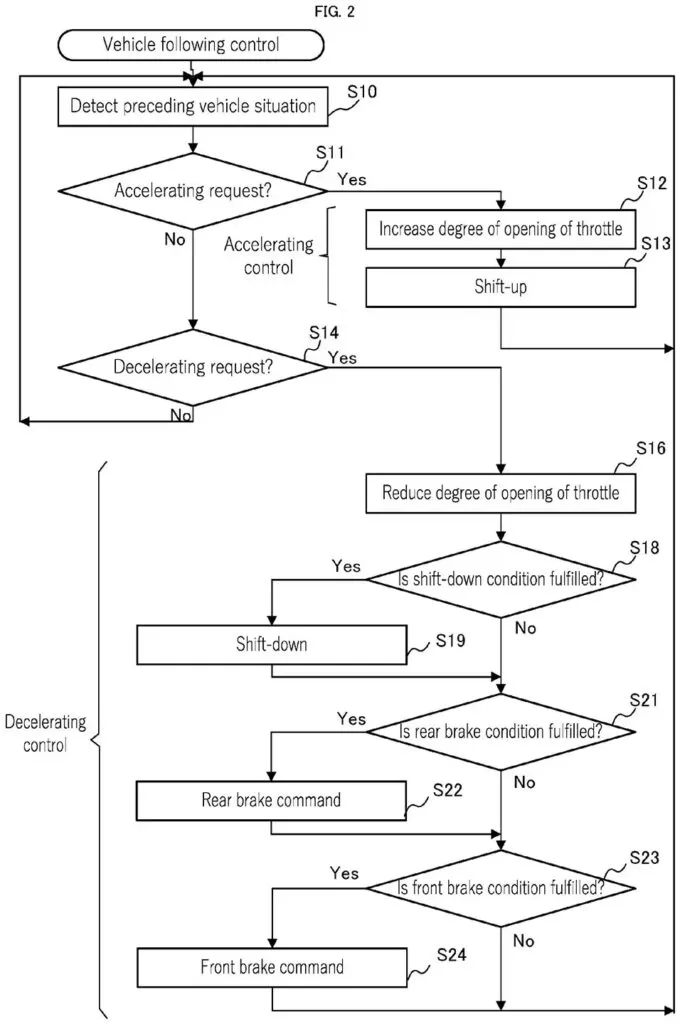
The system’s control logic is engineered to imitate how experienced motorcyclists naturally slow a bike. During deceleration, riders instinctively roll off the throttle, apply brakes progressively, and downshift to maintain stability. Yamaha’s patent outlines a process that recreates this behavior automatically.
Rather than relying immediately on heavy front brake application, the electronics progressively layer the deceleration process. The system first reduces throttle input, introduces engine braking via a gear downshift, and then applies conventional brake pressure if further deceleration is required. Modulating both the front and rear brake pressure compensates for the sudden increase in engine braking when dropping to a lower gear. The primary mechanical benefit of this coordinated approach is the reduction of excessive weight transfer to the front end, which prevents the motorcycle from becoming unsettled under braking.
Building on Existing Y-AMT Architecture
This automated downshift patent builds directly on hardware and software foundations currently utilized in the overseas-specification Yamaha Tracer 9 GT+ Y-AMT. That particular model already incorporates radar-assisted adaptive cruise control operating in conjunction with an electronically controlled transmission, a unified braking system, and semi-active suspension. Under current applications, when the adaptive cruise control is active, the unified braking system has the capacity to assist the rider’s own braking inputs to maintain a set distance behind preceding vehicles.
Broader Industry Implications and Safety Standards
While sophisticated radar and transmission systems are likely to remain exclusive to premium, high-end motorcycles in the near term, this hardware is gradually making its way into more accessible market segments.
Yamaha’s patent filing reflects a broader automotive industry trend toward advanced collision mitigation. Automatic emergency braking systems, which avoid or mitigate crashes, are already a regulatory requirement for modern cars in the European Union. Identical safety features will become mandatory for new cars sold in the United States by September 2029. As automotive sensors and control systems become more commonplace and less expensive to produce, motorcycle manufacturers are positioned to adopt similar safety infrastructure.
Actionable Takeaways
- Progressive Braking Dynamics: The patented system relies on sequential throttle reduction, automated downshifting, and hydraulic braking to prevent abrupt forward weight transfer.
- Rider Autonomy Retained: Because the system operates via a semi-automatic transmission rather than a fully restricted automatic, riders retain the option to manage gear shifts manually.
- Regulatory Readiness: By developing advanced collision mitigation and deceleration software now, Yamaha is positioning its technological architecture ahead of potential future government safety mandates for motorcycles.
Frequently Asked Questions
What is the main function of Yamaha’s newly patented system?
The system integrates radar-based adaptive cruise control with a semi-automatic transmission to automatically downshift and utilize engine braking while a motorcycle slows down behind traffic.
How does automatic downshifting improve motorcycle stability?
By progressively layering throttle reduction and engine braking before applying conventional brake pressure, the system minimizes excessive weight transfer to the front suspension, preventing the motorcycle from diving and remaining balanced.
Can riders still shift gears manually with this technology?
Yes. The technology utilizes a semi-automatic transmission setup, which leaves the option available for riders to control gear shifts manually if they do not want to rely entirely on the automated system.
Is this technology currently available on production motorcycles?
While the specific auto-downshift logic outlined in the patent is not yet confirmed for immediate production, the foundational technology is already active on the overseas Yamaha Tracer 9 GT+ Y-AMT.
You can add more to this story by commenting below.