Yamaha has finally pulled the trigger on its first electric two-wheeler for the Indian market, but if you were expecting a ground-up revolution from the Japanese giant, prepare for a reality check. Production of the Yamaha EC-06 has officially commenced at River’s facility in Hoskote, Karnataka. While the rollout was celebrated by local dignitaries, a closer look reveals a product that feels more like a strategic shortcut than a technological leap.
The “Copy-Paste” Compromise
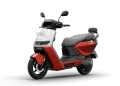
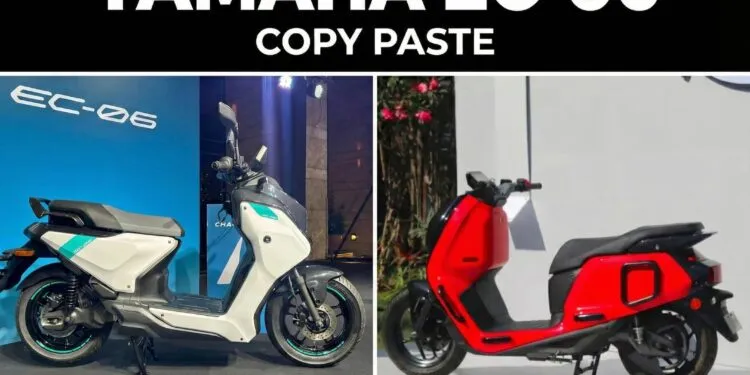
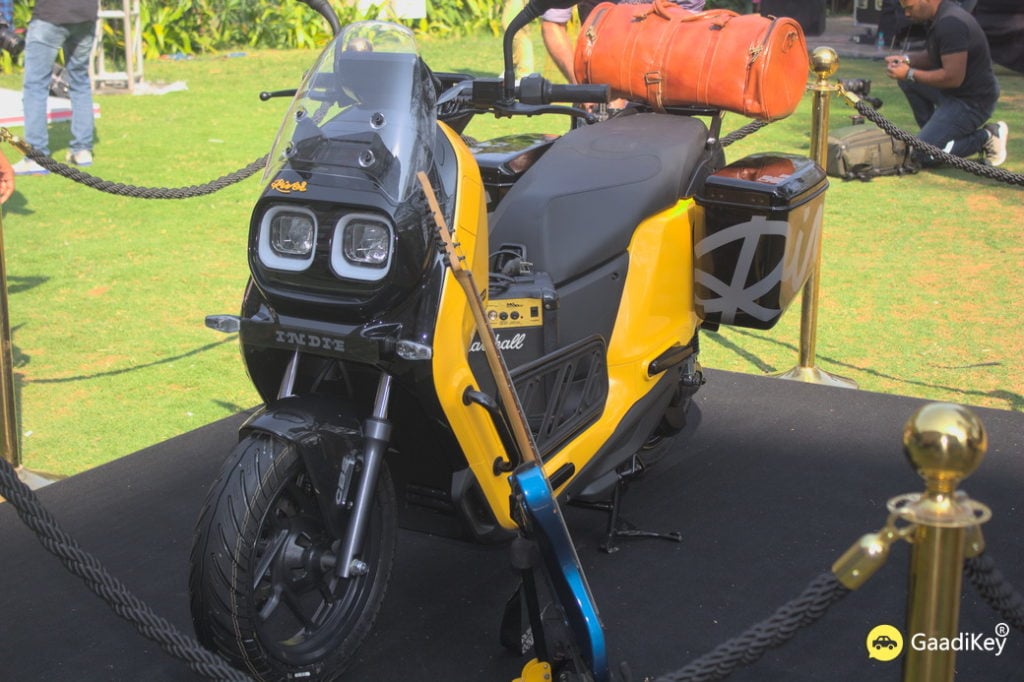
Let’s call it what it is: the EC-06 is essentially a River Indie in a slightly sharper suit. It utilizes the exact same platform, the same 4kWh battery, and the same motor producing 6.7kW of peak power. Even the claimed 90kph top speed and roughly 160km range are mirror images of its “homegrown” cousin.
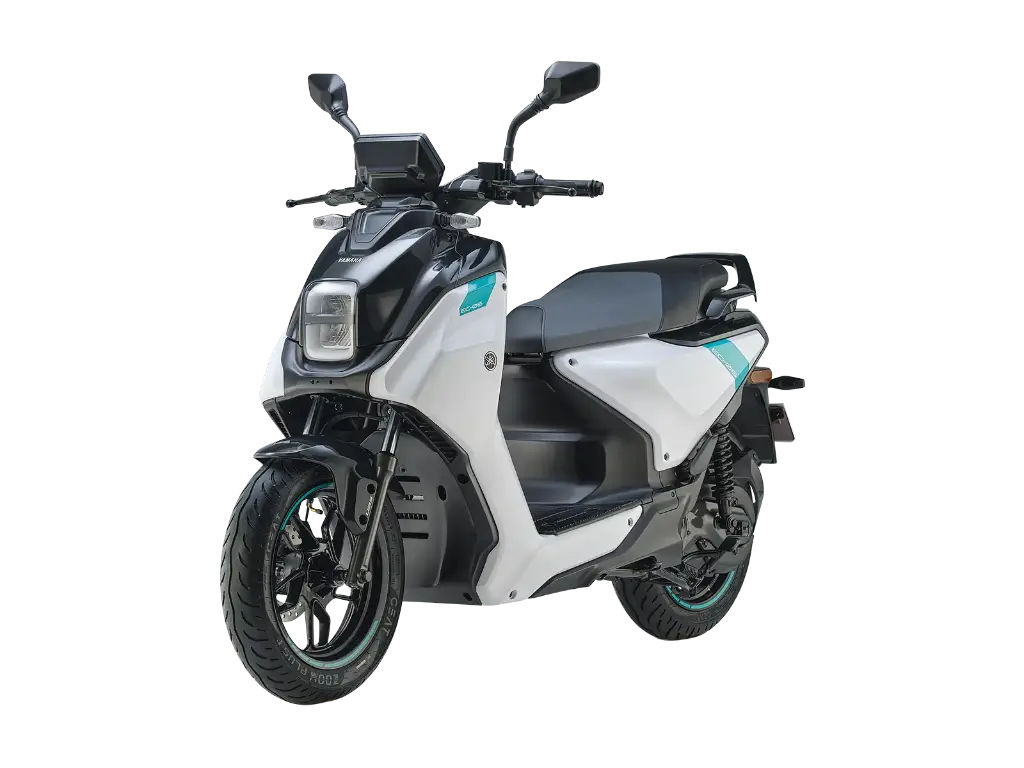
Yamaha Ec 06
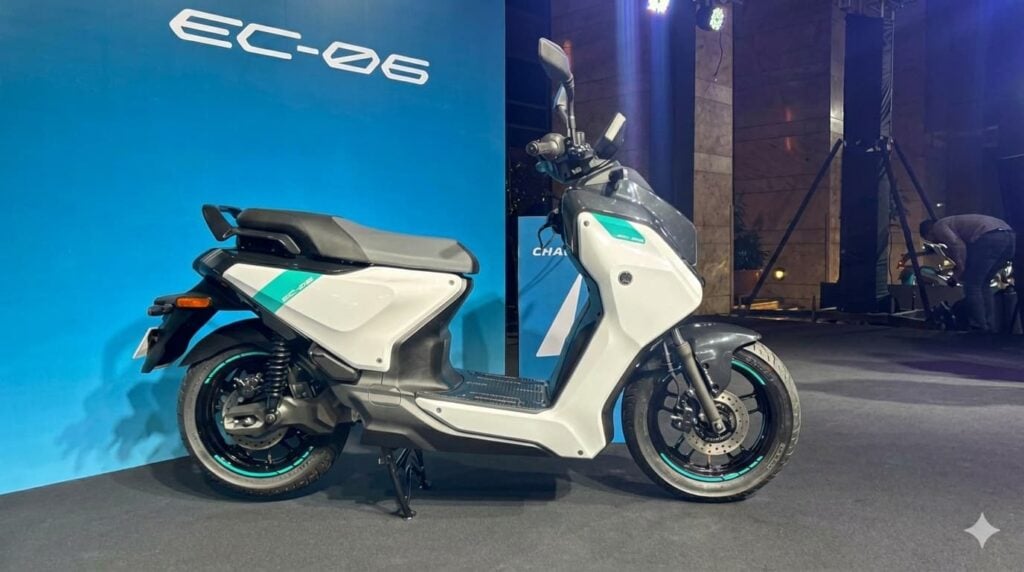
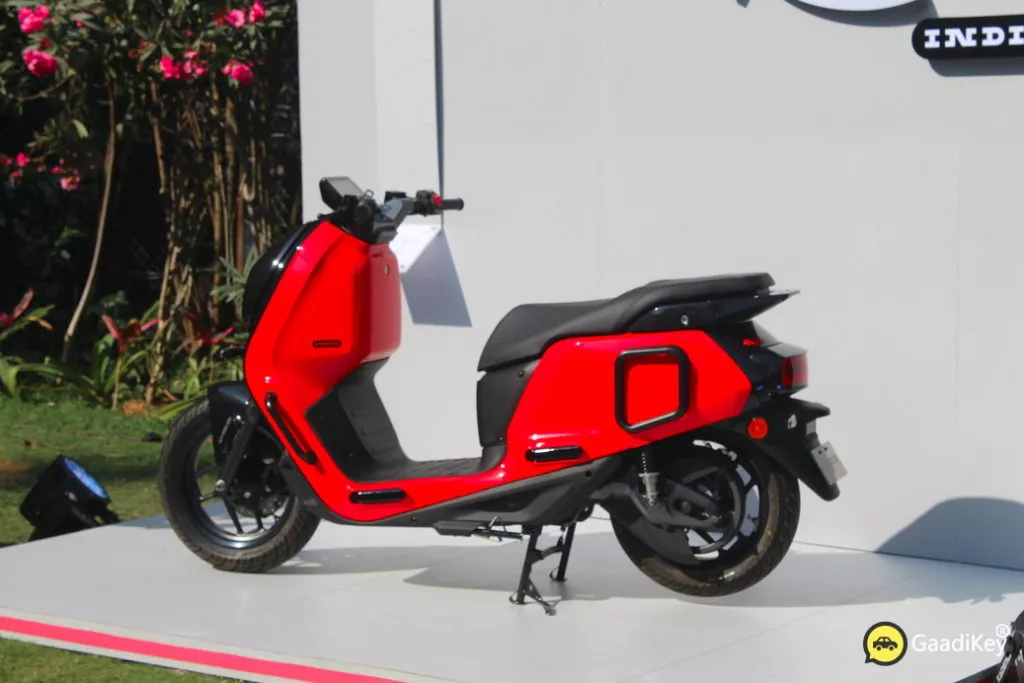
The “Yamaha touch” here seems mostly cosmetic—sharper lines and a more svelte profile compared to the Indie’s boxy, utilitarian look. But here is the kicker: in pursuit of that “sporty” Yamaha aesthetic, they have absolutely gutted the utility that made the Indie interesting.
- Storage Shrinkage: While the River Indie boasts a massive 43-litre boot, the EC-06 offers a measly 24.5 litres.
- Utility Loss: Yamaha has also skipped the Indie’s front glovebox and various luggage mounting points, trading genuine usability for a leaner cowl.
The Looming “Yamaha Tax”
The biggest concern is the price. The River Indie is already positioned at a premium of approximately ₹1.46 lakh (ex-showroom). Industry expectations place the EC-06 in the ₹1.60 lakh to ₹1.70 lakh bracket.
If these estimates hold, you are effectively paying a “Yamaha Tax” of ₹15,000 to ₹25,000 for a scooter that offers less storage and the same performance as the donor bike. Yamaha’s existing moto-scooters like the Aerox 155 are already high-priced for their segment, and the EC-06 looks set to continue that trend of overpricing for the sake of “brand prestige”.
A Risky Bet on a Startup
There is something unsettling about a legacy manufacturer like Yamaha relying entirely on a Bengaluru-based startup, River, for its entry into the world’s largest two-wheeler market. While it allows for a “speedy market entry,” it raises questions about Yamaha’s own R&D commitment to India.
By outsourcing the manufacturing and the core platform, Yamaha is betting its reputation on River’s quality control and supply chain stability. If you are a buyer, you have to ask: am I buying a Yamaha, or am I buying a River Indie with a more expensive service network and a different badge?
Who is This Actually For?
The ideal buyer here isn’t the practical commuter—they would just buy the River Indie and enjoy the 43-litre boot. The EC-06 targets the brand-conscious urbanite who wants the Yamaha dealer and service network but doesn’t mind paying more for a “sportier” look that offers half the storage. In a market where competitors like Ather and TVS are offering high-tech, original platforms, Yamaha’s “re-skin” approach feels like a missed opportunity to truly innovate.

Frequently Asked Questions
Is the Yamaha EC-06 more powerful than the River Indie? No. Both scooters share the same motor with 6.7kW peak power and a claimed top speed of 90kph.
Where is the Yamaha EC-06 being manufactured? It is being manufactured at the River Mobility factory in Hoskote, Karnataka.
How much storage does the Yamaha EC-06 have? The EC-06 has 24.5 litres of underseat storage, which is significantly less than the 43 litres found on the River Indie.
What is the expected price of the Yamaha EC-06? While official prices are pending, it is expected to be priced between ₹1.60 lakh and ₹1.70 lakh, commanding a premium over the River Indie.
Yamaha Ec 06
You can add more to this story by commenting below.